
Sharp cheddar is more than just a staple in the cheese drawer—it’s a culinary experience defined by its bold tang, crystalline crunch, and rich golden hue. Whether melted over a burger, sliced beside an artisanal cracker, or paired with a robust red wine, the right sharp cheddar elevates any moment. But not all sharp cheddars are created equal. From aging duration to regional traditions and milk sourcing, numerous factors shape the final profile of the cheese on your plate. Understanding these nuances is key to discovering the best sharp cheddar that aligns with your taste preferences and culinary goals.
The Science Behind Sharpness: What Makes Cheddar “Sharp”?
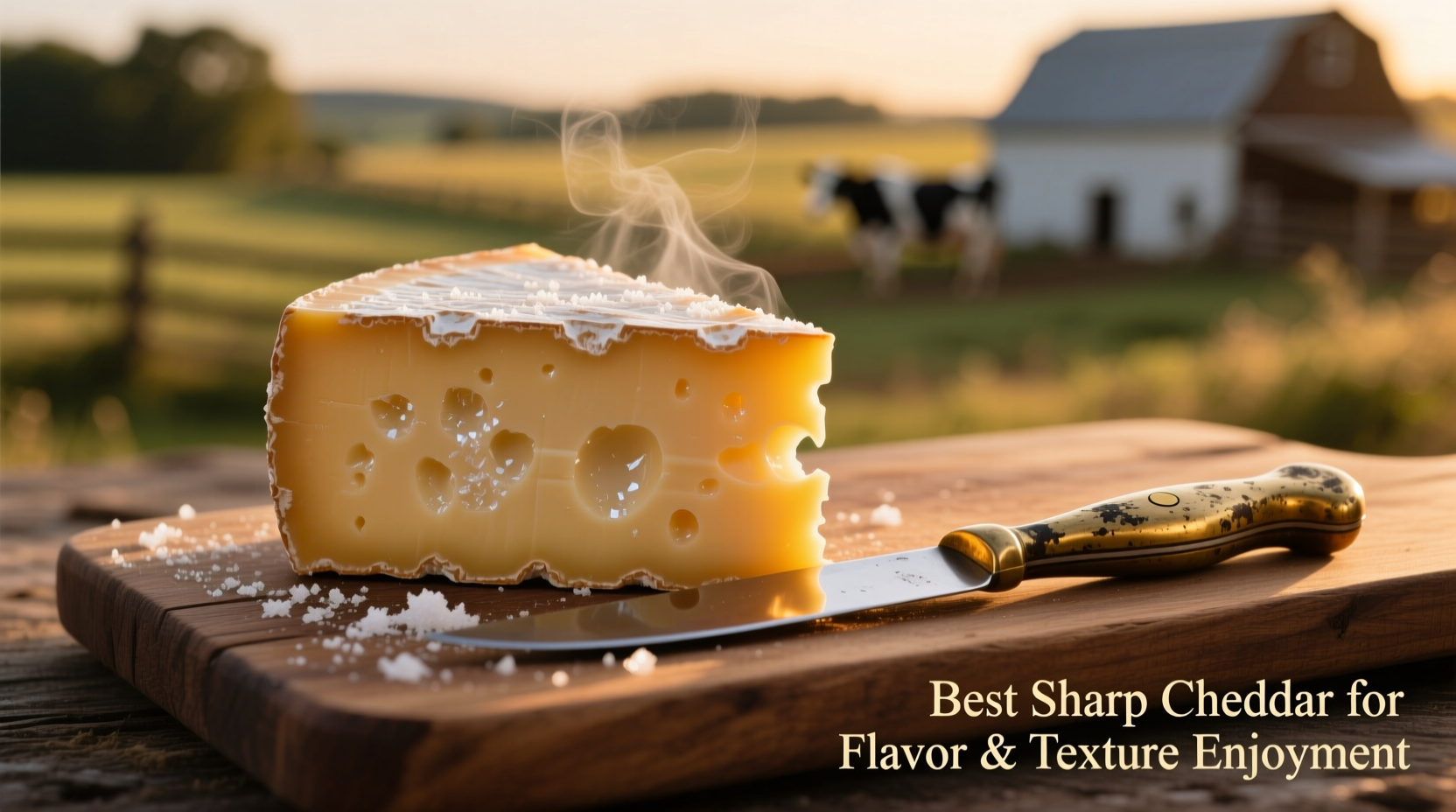
Sharpness in cheddar doesn’t come from added spices or acids—it develops naturally through time and bacterial activity. As cheddar ages, enzymes break down proteins and fats into smaller compounds like amino acids and fatty acids. One such compound, tyrosine, forms crunchy crystals that many connoisseurs prize. The longer the aging process, typically 9 months to over two years, the more pronounced the sharpness becomes.
Cheddar starts as mild (aged 2–3 months), progresses to medium (4–6 months), then sharp (7–12 months), and finally extra-sharp or vintage (12+ months). However, labeling isn’t standardized—what one brand calls “sharp,” another might label “medium.” This inconsistency means consumers must look beyond marketing terms and focus on actual aging periods and ingredient lists.
“True sharpness emerges only after prolonged aging. It’s not about acidity but complexity—layers of nutty, buttery, and savory notes built over time.” — Dr. Lila Montgomery, Dairy Sensory Scientist at Wisconsin Center for Dairy Research
Top Varieties of Sharp Cheddar Worth Trying
While mass-produced supermarket cheddars dominate shelves, exceptional sharp cheddars emerge from small dairies committed to traditional methods. Below are five standout varieties renowned for their balance of flavor and texture:
- Cabot Clothbound Cheddar (Vermont): Aged 10–14 months, this award-winning cheddar features earthy tones, a firm yet creamy texture, and subtle caramel sweetness. Its cloth-binding allows natural rind development, enhancing complexity.
- Keen’s Extra Mature Cheddar (England): Crafted using centuries-old techniques, Keen’s offers a deep, tangy bite with flaky layers and visible tyrosine crystals—a hallmark of extended aging.
- Jasper Hill Farm Alpha Bit (Vermont): Made from raw cow’s milk and aged over a year, this cheese balances lactic tartness with umami richness. Ideal for pairing with dried fruits and hard ciders.
- Craggy Range Vintage Reserve (UK): Aged up to 24 months, this cheddar delivers intense saltiness, nuttiness, and a satisfying granular texture. Best served at room temperature to unlock full aroma.
- Rogue Creamery Oregonzola Blue-veined Cheddar (Oregon): Though technically a hybrid, this unique take blends sharp cheddar with blue mold, offering spicy depth and velvety meltability.
How to Evaluate Sharp Cheddar: A Tasting Guide
Selecting the best sharp cheddar involves engaging all your senses. Follow this step-by-step evaluation method used by professional tasters:
- Observe Appearance: Look for a deep yellow to amber color (natural annatto coloring) and visible white specks—these are tyrosine crystals indicating advanced aging and mature flavor.
- Assess Texture: Press gently with a knife. High-quality sharp cheddar should feel firm but not brittle, slicing cleanly without crumbling excessively.
- Smell the Aroma: Bring the cheese close and inhale. Expect nutty, toasted, or brothy notes. Avoid cheeses with sour or ammonia-like odors, signs of spoilage or poor storage.
- Taste Thoughtfully: Take a small cube. Let it rest on your tongue before chewing. Note initial flavors (buttery, salty), mid-palate development (nutty, tangy), and finish (lingering sharpness or bitterness).
- Evaluate Mouthfeel: Does it melt smoothly? Is there a pleasant grit from crystals? Texture plays a crucial role in overall enjoyment.
| Characteristic | Ideal in Sharp Cheddar | Red Flags |
|---|---|---|
| Color | Rich golden yellow | Pale white or uneven dye spots |
| Texture | Firm with slight crystallization | Waxy, greasy, or overly dry |
| Aroma | Nutty, caramelized, slightly tangy | Ammonia, sour milk, or chemical scent |
| Taste Balance | Sharpness balanced with sweetness | Overly bitter or one-dimensional sourness |
Storage and Serving Tips for Peak Enjoyment
Even the finest sharp cheddar can be ruined by improper handling. Cheese continues to age after purchase, and exposure to air, heat, or moisture accelerates degradation.
Store in the warmest part of your refrigerator, usually the vegetable drawer, where temperatures remain stable around 35–40°F (2–4°C). Before serving, remove the cheese 30–60 minutes in advance to allow flavors to open up. Cold suppresses aroma and dulls taste perception.
Checklist: How to Store & Serve Sharp Cheddar Properly
- ✔️ Use breathable wrapping (parchment + container)
- ✔️ Keep away from strong-smelling foods (cheese absorbs odors)
- ✔️ Slice with a stainless steel knife (non-reactive metal)
- ✔️ Serve at room temperature for optimal flavor release
- ✔️ Consume within 2–3 weeks of opening for peak quality
Real Example: A Gourmet Cheese Board Transformation
Sophie, a home entertainer from Portland, used to serve pre-sliced grocery store cheddar on her charcuterie boards. Guests politely nibbled but rarely commented. After attending a local cheesemonger workshop, she switched to a 15-month-aged Cabot Clothbound Cheddar, wrapped properly and brought to room temperature before serving. She paired it with quince paste, Marcona almonds, and a drizzle of honey.
The response was immediate. Guests remarked on the “crunchy bits” and “deep, almost meaty flavor.” One asked where she bought it. Sophie realized that investing in higher-quality, properly aged sharp cheddar transformed her gatherings—not just in taste, but in perceived thoughtfulness and care.
Frequently Asked Questions
Can I freeze sharp cheddar?
Yes, but with caveats. Freezing can alter texture, making it more crumbly and less ideal for slicing. It remains suitable for cooking—grating and freezing works well for casseroles or mac and cheese. Thaw slowly in the refrigerator and use within a week.
Why does some sharp cheddar have crunchy crystals?
These are tyrosine crystals, formed during aging when proteins break down. They indicate maturity and are prized by enthusiasts for adding textural contrast. Their presence is a sign of proper aging, not spoilage.
Is sharp cheddar safe if it has small mold spots?
Hard cheeses like cheddar can often be salvaged. Cut off at least 1 inch around and below the mold spot with a clean knife. Ensure no cross-contamination occurs. If mold is extensive or accompanied by off smells, discard the entire piece.
Conclusion: Elevate Your Palate with Intentional Selection
Discovering the best sharp cheddar isn’t about chasing the highest price tag or the most aggressive bite—it’s about finding harmony between flavor intensity and textural pleasure. Whether you prefer the rustic elegance of English farmhouse cheddars or the precise craftsmanship of American artisan batches, the journey begins with mindful selection, informed tasting, and respectful storage.
Start small: pick one high-quality sharp cheddar this week, evaluate it using the steps outlined here, and note what you love—or don’t. Over time, you’ll refine your palate and build a personal repertoire of favorites. Cheese is meant to be savored, shared, and celebrated.




 浙公网安备
33010002000092号
浙公网安备
33010002000092号 浙B2-20120091-4
Comments
No comments yet. Why don't you start the discussion?