
Turmeric is no longer just a background spice relegated to curry powders or musty jars in the back of the pantry. It has emerged as a culinary and wellness powerhouse, celebrated for its vibrant color, earthy depth, and potential health-supporting properties. Yet, despite its rising popularity, many home cooks remain uncertain about how to source it, distinguish quality, and integrate it into daily meals beyond the occasional soup or rice dish. Understanding where to find turmeric—both physically and functionally—and how to use it with intention transforms it from an exotic novelty into a kitchen essential. This guide demystifies turmeric in all its forms, offering practical insights for sourcing, storing, seasoning, and maximizing its impact on flavor and nutrition.
Definition & Overview
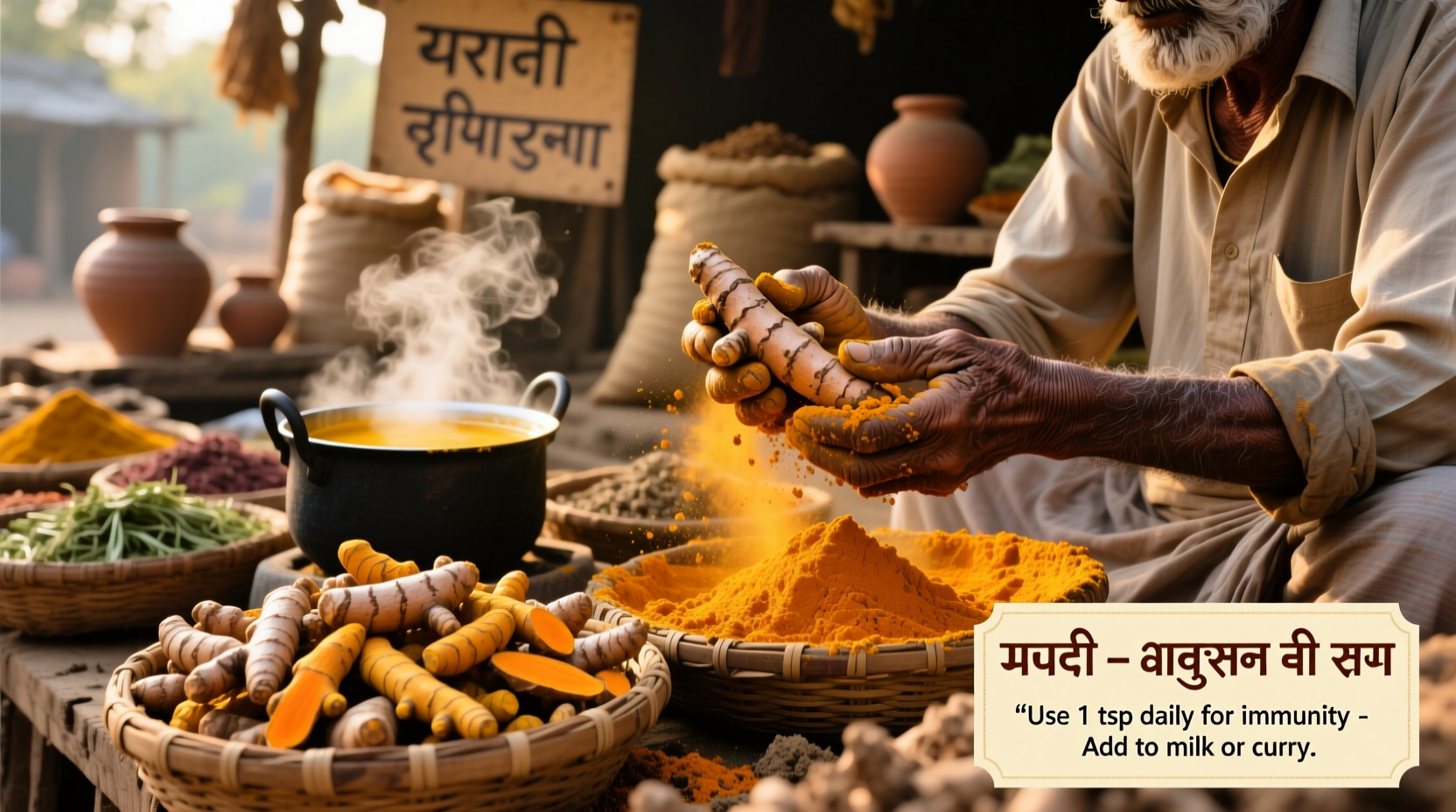
Turmeric (Curcuma longa) is a flowering plant in the ginger family, Zingiberaceae, native to Southeast Asia and widely cultivated in India, Indonesia, and parts of Central and South America. The part used in cooking and traditional medicine is the rhizome—the underground stem—which is boiled, dried, and ground into a fine powder, or used fresh like ginger. Known for its intense golden-orange hue, turmeric imparts a warm, slightly bitter, earthy flavor with subtle peppery and mustard-like undertones. It is a foundational ingredient in Indian, Middle Eastern, Southeast Asian, and Caribbean cuisines, most famously in curries, dals, and spice blends such as garam masala and curry powder.
Beyond the kitchen, turmeric has been used for thousands of years in Ayurvedic and Traditional Chinese Medicine for its purported anti-inflammatory and antioxidant properties, primarily attributed to curcumin, its most bioactive compound. While modern science continues to study these effects, its role in food remains undisputed: turmeric is both a pigment and a palate enhancer, capable of enriching dishes visually and sensorially without overwhelming other ingredients.
Key Characteristics
| Attribute | Description |
|---|---|
| Flavor Profile | Earthy, warm, slightly bitter, with hints of pepper and citrus. Not spicy-hot but adds depth. |
| Aroma | Woody, musky, mildly pungent; reminiscent of ginger with a floral undercurrent when fresh. |
| Color | Vibrant golden-yellow to deep orange. Highly pigmented—can stain surfaces, utensils, and skin. |
| Form | Available as dried powder, fresh rhizome, paste, extract, or dietary supplement. |
| Heat Level | Non-pungent (not hot). Does not contribute capsaicin-level heat. |
| Culinary Function | Colorant, flavor base, preservative (natural antimicrobial), functional binder in marinades. |
| Shelf Life (Powder) | 1–2 years if stored properly in a cool, dark place; loses potency over time. |
| Shelf Life (Fresh) | Up to 3 weeks refrigerated in a sealed container; can be frozen. |
Variants & Types
Turmeric is available in several forms, each suited to different culinary applications and accessibility levels. Choosing the right form depends on the recipe, desired intensity, and availability.
1. Ground Turmeric (Dried Powder)
The most common form found in supermarkets worldwide. It offers convenience and consistent dispersion in dry rubs, soups, stews, and baked goods. Opt for brands that list only “turmeric” on the label—avoid blends with fillers or anti-caking agents. High-quality powder should have a deep orange hue and release a strong aroma when opened.
2. Fresh Turmeric Rhizome
Resembling ginger root but smaller and more intensely colored, fresh turmeric delivers a brighter, juicier flavor with less bitterness. Found in well-stocked grocery stores, farmers' markets, or Asian and Indian specialty shops. Peel before use and grate, slice, or juice. Ideal for smoothies, fresh chutneys, or simmered broths.
3. Turmeric Paste (Golden Paste)
A pre-mixed blend typically containing turmeric powder, water, black pepper, and oil (often coconut). Used in wellness circles for daily consumption due to enhanced curcumin absorption. Can also be stirred into sauces, grains, or dressings for instant color and body.
4. Liquid Extract & Tinctures
Concentrated forms used primarily for supplementation. Not ideal for cooking but useful for adding small doses to beverages like golden milk.
5. Freeze-Dried & Encapsulated Forms
Used in supplements and some functional foods. These are not intended for direct culinary use but may appear in fortified snacks or protein powders.
Pro Tip: When using fresh turmeric, wear gloves to avoid staining your hands. If staining occurs, lemon juice or a baking soda paste can help remove it.
Practical Usage: How to Use Turmeric Effectively
Using turmeric effectively goes beyond sprinkling it into a pot. Its solubility, stability, and synergy with other ingredients determine how much flavor and benefit you extract.
Dry Blooming (Tempering)
One of the most effective techniques in Indian cuisine is tempering ground spices in oil—a process known as *tadka* or *chaunk*. Heat 1–2 teaspoons of oil (coconut, mustard, or ghee) in a pan, add ½ to 1 teaspoon of turmeric powder, and stir for 30–60 seconds until fragrant. This step dissolves the fat-soluble curcuminoids, enhancing both flavor and bioavailability. Immediately add liquid or other ingredients to prevent burning.
Pairing with Black Pepper
Curcumin, turmeric’s primary active compound, is poorly absorbed on its own. Studies show that piperine—a compound in black pepper—increases curcumin absorption by up to 2,000%. Always combine turmeric with freshly cracked black pepper when possible, especially in wellness-focused preparations.
Use in Marinades and Rubs
Turmeric acts as a natural tenderizer and colorant in meat and vegetable marinades. Combine with yogurt, lemon juice, garlic, and cumin for a classic tandoori-style rub. The acid helps break down proteins while turmeric infuses rich color and mild warmth.
Incorporation into Grains and Legumes
Add ¼ to ½ teaspoon of turmeric per cup of rice, quinoa, or lentils during cooking. It enhances visual appeal and subtly seasons the entire dish. For example, yellow dal (lentil stew) relies on turmeric for both color and foundational flavor.
Blending into Smoothies and Juices
Fresh or powdered turmeric (¼ tsp or ½-inch knob) adds earthiness and vibrancy to green juices or fruit smoothies. Pair with pineapple, mango, ginger, and lemon to balance its bitterness. A splash of coconut milk improves texture and aids nutrient absorption.
Creating Golden Milk
A warming beverage made by simmering 1 cup milk (dairy or plant-based) with ½ tsp turmeric, ¼ tsp cinnamon, a pinch of black pepper, and optional honey or maple syrup. Simmer gently for 5 minutes, strain if using fresh spices, and serve warm. Ideal before bedtime or during cold seasons.
\"Turmeric isn't just a spice—it's a canvas. It responds to fat, heat, and companionship with other spices. Treat it like an artist treats pigment: with respect for its medium.\" — Chef Anjali Pathak, Culinary Instructor, Institute of Indian Cooking
Comparison with Similar Ingredients
Turmeric is often confused with other yellow-hued spices. Understanding the differences ensures proper usage and avoids culinary missteps.
| Ingredient | Flavor | Color Source | Common Confusion With Turmeric? | Key Difference |
|---|---|---|---|---|
| Saffron | Floral, honeyed, delicate | Stigmas of crocus flower | Yes – both impart gold color | Saffron is far more expensive, subtle in flavor, and does not require fat for absorption. |
| Annatto (Achiote) | Mild, nutty, slightly sweet | Seeds of the achiote tree | Yes – used for coloring rice and meats | Primarily a colorant; lacks turmeric’s earthy bitterness and medicinal associations. |
| Mustard Powder | Sharp, pungent, sinus-clearing | Ground mustard seeds | Sometimes – similar warmth | Mustard activates with liquid and heat differently; provides heat, not color. |
| Ginger | Spicy, zesty, bright | Rhizome (like turmeric) | Yes – same plant family | Ginger is hotter and more aromatic; turmeric is milder and more chromatic. |
Where to Find Turmeric
Accessing high-quality turmeric requires knowing where to look and what to look for.
- Supermarkets: Most carry ground turmeric in the spice aisle. Look for reputable brands with clear expiration dates and opaque packaging to protect against light degradation.
- International Markets: Indian, Middle Eastern, and Southeast Asian grocery stores often stock fresh turmeric rhizomes, organic powders, and regional blends. Prices are typically lower, and freshness is higher.
- Farmers’ Markets: Local growers may offer fresh turmeric during fall and winter months, particularly in warmer climates.
- Online Retailers: Websites specializing in spices (e.g., Spice House, Rani Brands, Mountain Rose Herbs) offer organic, fair-trade, and single-origin turmeric with detailed sourcing information.
- Health Food Stores: Carry turmeric in powder, capsule, and liquid extract forms, often marketed for wellness. Check for third-party testing if purchasing supplements.
When selecting ground turmeric, verify that it’s pure and not mixed with fillers. Some low-grade products may contain starches or artificial colors to enhance bulk or appearance. Fresh turmeric should be firm, free of mold, and brightly colored—avoid shriveled or soft roots.
Practical Tips & FAQs
How much turmeric should I use?
Start conservatively. For most savory dishes, ¼ to ½ teaspoon of ground turmeric per serving is sufficient. Overuse can lead to bitterness and overpowering color. Fresh turmeric is slightly milder; use 1-inch grated root per teaspoon of powder.
Does turmeric stain cookware?
Yes. It can permanently discolor plastic containers, cutting boards, and porous ceramics. Use glass, stainless steel, or dedicated utensils. Clean immediately after use with hot soapy water. Baking soda and vinegar help lift stains.
How should I store turmeric?
Keep ground turmeric in an airtight container away from heat, light, and moisture—ideally in a dark cupboard. Fresh turmeric should be wrapped in paper towel and stored in a sealed container in the refrigerator. Freezing whole or grated roots extends shelf life up to six months.
Can I substitute turmeric?
There is no perfect substitute due to its unique color and flavor. In a pinch, a small amount of saffron can mimic the hue (but not the taste). Curry powder contains turmeric but will introduce additional flavors. Annatto provides color only. Avoid omitting turmeric entirely in authentic recipes where it plays a structural role.
Is turmeric safe to consume daily?
Yes, in culinary amounts. Up to 1–3 grams of turmeric powder per day is considered safe for most adults. However, high-dose supplements may interact with blood thinners or gallbladder conditions. Consult a healthcare provider before therapeutic use.
Why add oil when using turmeric?
Curcumin is fat-soluble. Consuming turmeric with healthy fats (olive oil, coconut milk, ghee) significantly increases absorption. Dry sprinkling onto food yields minimal nutritional benefit.
What are the best dishes to showcase turmeric?
- Chana Masala (spiced chickpeas)
- Vegetable Korma
- Lentil Soup (Dal Tadka)
- Golden Rice
- Roasted Cauliflower with Turmeric and Cumin
- Chicken Tikka Marinade
- Smoothie Bowls (for color and nutrition)
- Homemade Mustard or Pickle Brine
Storage Checklist:
✓ Store powder in opaque, airtight container
✓ Keep away from stove and sunlight
✓ Label fresh turmeric with purchase date
✓ Freeze excess fresh root in oil for easy cooking
Summary & Key Takeaways
Turmeric is a multifaceted ingredient that bridges cuisine and well-being. Far more than a colorful addition, it brings depth, tradition, and functional value to everyday cooking. To use it effectively, understand its forms: ground for convenience, fresh for brightness, and paste for wellness integration. Always pair it with black pepper and fat to unlock its full potential. Source it wisely—from trusted brands or ethnic markets—to ensure purity and potency. Respect its staining power, store it properly, and apply it thoughtfully across grains, legumes, marinades, and beverages.
Mastering turmeric means moving beyond trend-driven usage to intentional, informed application. Whether you're building flavor in a curry, boosting immunity in a morning tonic, or simply seeking to diversify your spice repertoire, turmeric rewards attention and care. Incorporate it regularly, experiment with combinations, and let its golden essence elevate both plate and practice.
Call to Action: This week, try blooming ½ teaspoon of turmeric in coconut oil with a pinch of black pepper, then stir into scrambled eggs, roasted vegetables, or a grain bowl. Notice the difference in aroma, color, and depth. Make turmeric a visible, valued member of your kitchen toolkit—not just a forgotten jar in the back row.




 浙公网安备
33010002000092号
浙公网安备
33010002000092号 浙B2-20120091-4
Comments
No comments yet. Why don't you start the discussion?