
The crisp golden crepe with a feather-light center, served steaming hot with aromatic coconut chutney and tangy sambar—dosa is more than just food. It’s a sensory experience rooted in South Indian culinary tradition. For those living in or visiting New Jersey, the search for an authentic dosa doesn’t have to end at generic takeout spots. Across the state, from Edison to Jersey City, passionate chefs and family-run restaurants are preserving regional techniques and flavors, offering some of the most genuine dosa experiences outside of India.
But not all dosas are created equal. The difference between a good one and a great one lies in fermentation, batter consistency, cooking technique, and the authenticity of accompaniments. This guide explores where to find the best dosa in NJ, what to look for in an authentic version, and how to make the most of your culinary journey through South Indian cuisine.
What Makes a Dosa Truly Authentic?
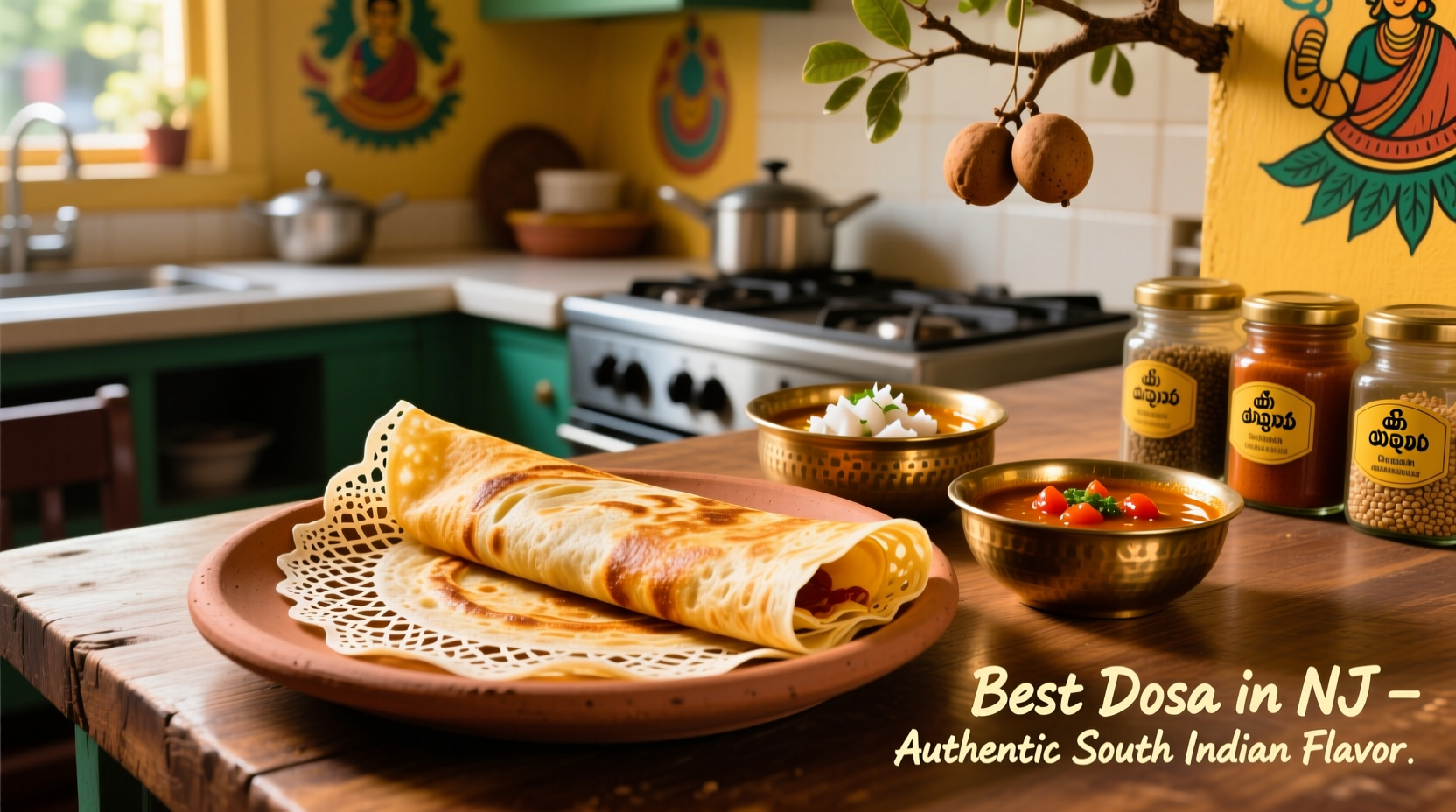
A traditional South Indian dosa begins with a fermented batter of ground rice and urad dal (black gram), left to rest for 8–12 hours. This natural fermentation process gives the dosa its signature airy texture and subtle sourness. The batter is then poured onto a hot griddle, spread thin, and cooked until crisp. When done right, it crackles slightly when folded.
Authenticity also extends beyond the crepe itself:
- Chutneys: Freshly ground coconut chutney made with roasted chana dal, green chilies, and curry leaves should be creamy, spicy, and fragrant—not pasty or overly sweet.
- Sambar: A lentil-based vegetable stew simmered with tamarind, mustard seeds, asafoetida, and curry leaves. It should be tangy, balanced, and packed with vegetables like drumstick, pumpkin, or eggplant.
- Accompaniments: Traditional sides like tomato onion chutney, garlic chutney, or podi (spice powder) elevate the meal.
“Fermentation is the soul of dosa. Without proper resting time and temperature control, you lose both flavor and digestibility.” — Chef Anand Kumar, South Indian Culinary Instructor
Top 5 Spots for the Best Dosa in New Jersey
New Jersey’s vibrant South Asian community has cultivated a thriving restaurant scene, particularly in Middlesex, Bergen, and Hudson counties. Here are five standout locations renowned for their authentic dosa craftsmanship:
| Restaurant | Location | Signature Dosa | Why It Stands Out |
|---|---|---|---|
| Saravanaa Bhavan | Edison, Parsippany | Paneer Masala Dosa | Part of a global chain known for hygiene and consistency; uses freshly ground batter daily. |
| Kairali | Edison | Neer Dosa (thin, lacy) | Focus on Kerala-style dishes; serves banana leaf meals and house-made ghee. |
| Rasam | Edison | Ghee Roast Dosa | Intense flavor from slow-roasted spices and liberal use of clarified butter. |
| Sangeetha Veg Restaurant | Robbinsville | Plain & Onion Dosa combo | Lively ambiance, live music nights, and excellent chutney variety. |
| Udupi Sri Krishna Temple Canteen | Iselin (Temple Food Stall) | Plain & Set Dosa | Cheapest and most traditional option—temple-style cooking with no preservatives. |
Insider Tip: The Temple Canteen Secret
One of the most beloved—and least publicized—spots is the canteen at Udupi Sri Krishna Temple in Iselin. Open primarily during weekends and religious festivals, this modest eatery serves dosa prepared by volunteers using recipes passed down for decades. Priced under $5, the set dosa (three small, soft crepes with chutney and sambar) delivers unmatched authenticity. Locals often arrive early to beat lines that form by noon.
“My first taste of set dosa here reminded me of my grandmother’s kitchen in Coimbatore. Simple, pure, and full of memory.” — Priya N., longtime Edison resident
Regional Varieties You Should Try
South India is not monolithic—each region brings its own dosa style. While plain and masala dosas dominate menus, exploring regional variations deepens the experience:
- Mysore Masala Dosa (Karnataka): Spread with a spicy red chili paste before stuffing, adding heat and depth.
- Neer Dosa (Kerala): Made from rice soaked and blended with water (“neer” means water), resulting in a delicate, lacy crepe often paired with coconut milk-based curries.
- Pesarattu (Andhra Pradesh): Made from green gram (moong dal), typically served with upma inside—known as “Ginger Pesarattu” when ginger is added.
- Rava Dosa: Crispy and lacy, made from semolina instead of fermented batter—ideal for those seeking instant gratification without the wait.
How to Choose the Right Place: A Checklist
To ensure you’re getting truly authentic South Indian dosa, use this practical checklist when selecting a restaurant:
- ✅ Does the menu feature regional specialties beyond masala dosa?
- ✅ Are chutneys and sambar made in-house? (Ask if unsure.)
- ✅ Is the dosa batter fermented? (Some places will proudly confirm this.)
- ✅ Do they serve traditional sides like podi or pickle?
- ✅ Is ghee used upon request or for premium dosas?
- ✅ Are vegetarian and vegan options clearly labeled? (Many South Indian dishes are naturally vegan.)
- ✅ Is the restaurant frequented by South Indian families or temple-goers?
Restaurants scoring high on this list are more likely to prioritize authenticity over mass appeal.
Mini Case Study: From Takeout Disappointment to Discovery
When Raj Mehta moved from Chennai to Fort Lee, he spent months searching for a decent dosa. His first few attempts—ordering from local “Indian” restaurants—left him frustrated. One dosa arrived soggy, pre-frozen, and served with ketchup-like chutney. “It tasted like a burrito wrapper,” he said.
After asking coworkers and browsing regional Facebook groups, he discovered Rasam in Edison. On his first visit, he ordered the Ghee Roast Dosa. “The moment I heard the crackle as I broke it open, I knew it was different,” he recalled. He now drives 45 minutes every Sunday for breakfast, often bringing colleagues to introduce them to real South Indian flavors.
Raj’s story underscores a key point: word-of-mouth and community knowledge often lead to better finds than algorithm-driven delivery apps.
Frequently Asked Questions
Is dosa gluten-free?
Yes, traditionally made dosa uses only rice and lentils, both naturally gluten-free. However, cross-contamination can occur in kitchens that handle wheat. Always confirm with the restaurant if you have celiac disease.
Can I get dosa without ghee for health reasons?
Absolutely. Most restaurants will prepare dosa with oil or minimal ghee upon request. Plain and set dosas are lighter options.
Why is my dosa sometimes sour?
A mild sourness is normal and desirable—it indicates proper fermentation. Excessive sourness may mean the batter fermented too long or in overly warm conditions.
Bringing the Experience Home: A Simple Timeline for DIY Dosa
If you’re inspired to try making dosa at home, follow this timeline for success:
- Day 1, Evening (6 PM): Soak 2 cups rice and 1/2 cup urad dal separately for 4–6 hours.
- Day 1, Night (10 PM): Grind into smooth batters, mix together, add salt, and ferment overnight (8–12 hours).
- Day 2, Morning (7 AM): Heat a non-stick griddle, pour batter, spread thin, drizzle oil, cook until crisp.
- Serve Immediately: Pair with fresh chutney and sambar for the full experience.
For quicker results, rava dosa skips fermentation—mix semolina with yogurt and water, let sit 15 minutes, then cook immediately.
Conclusion: Savor the Flavor, Respect the Craft
Finding the best dosa in NJ isn’t just about satisfying hunger—it’s about connecting with a centuries-old culinary tradition. From temple canteens to upscale South Indian eateries, New Jersey offers a remarkable range of authentic options for those willing to explore beyond the mainstream.
Whether you're a longtime lover of South Indian food or a curious newcomer, each dosa tells a story of patience, culture, and care. Visit these recommended spots, engage with the community, and don’t hesitate to ask questions about preparation. Your next perfect dosa is waiting—crisp, fragrant, and full of heritage.




 浙公网安备
33010002000092号
浙公网安备
33010002000092号 浙B2-20120091-4
Comments
No comments yet. Why don't you start the discussion?