
St. Lucia is a Caribbean gem known for its dramatic landscapes, lush rainforests, volcanic beaches, and warm hospitality. Whether you're seeking romance, adventure, relaxation, or cultural immersion, choosing the right place to stay can make all the difference. From the iconic Pitons to hidden coves and lively fishing villages, the island offers diverse accommodations across distinct regions—each with its own rhythm and charm. Understanding what each area offers helps travelers align their stay with their travel goals.
Understanding St. Lucia’s Key Regions
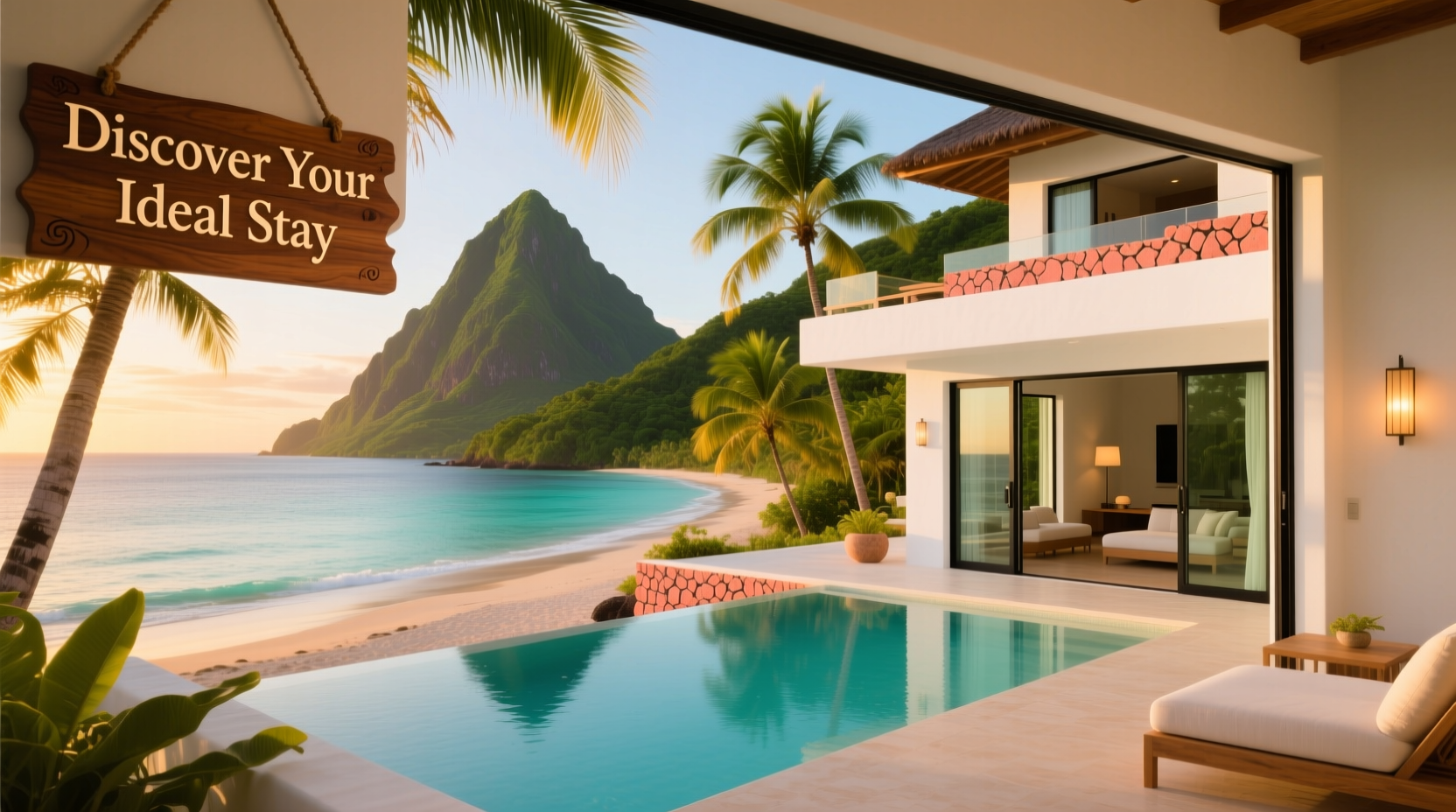
St. Lucia may be small—just 27 miles long—but its geography creates vastly different experiences depending on where you choose to stay. The island is broadly divided into three main zones: the northwest coast (Rodney Bay and Gros Islet), the southwest (Soufrière and the Pitons), and the eastern windward side (Anse Chastanet and beyond). Each has unique advantages.
- Rodney Bay: Ideal for travelers who want convenience, dining options, water sports, and a lively social scene.
- Soufrière: Best for nature lovers, honeymooners, and those drawn to scenic beauty and thermal springs.
- Southwest Coast (near Anse Chastanet): Perfect for eco-tourists, divers, and guests seeking immersive, off-the-beaten-path tranquility.
- East Coast: Offers rugged beauty and fewer tourists, but limited infrastructure—best for adventurous travelers.
Luxury Resorts vs. Boutique Inns: Matching Stay to Style
Accommodation in St. Lucia ranges from all-inclusive five-star resorts to intimate treehouse lodges nestled in the jungle. Your choice should reflect not just budget, but also lifestyle preferences.
Large resorts like Jade Mountain or St. Lucia Marriott Resort offer extensive amenities—spas, multiple restaurants, kids’ clubs, and organized excursions. These are excellent for families or couples who value convenience and service. Boutique properties such as Ladera Resort or Cap Maison, on the other hand, emphasize personalized attention, architectural uniqueness, and integration with the natural environment.
“St. Lucia’s most memorable stays aren’t just about luxury—they’re about connection: to the land, the culture, and the moment.” — Nadia Laurent, Caribbean Travel Curator
Key Considerations When Choosing Accommodation
| Factor | Luxury Resort | Boutique Inn |
|---|---|---|
| Service Level | High (staff-to-guest ratio) | Personalized, intimate |
| Privacy | Moderate (shared spaces) | High (private villas, open-air designs) |
| Dining Options | Multiple on-site restaurants | Limited; often encourages local exploration |
| Nearby Attractions | Often within resort grounds | Requires short travel to key sites |
| Price Range (per night) | $400–$1,500+ | $250–$800 |
Top Areas for Different Travel Styles
Not every traveler seeks the same experience. Here's how to match your ideal vacation style with the perfect location.
Honeymooners & Couples
The stretch between Soufrière and Anse Mamin offers some of the most romantic settings in the Caribbean. Properties like Jade Mountain feature open-walled suites with infinity pools facing the Pitons. Sunset cruises from Sugar Beach and private candlelit dinners on the beach are standard offerings.
Families
Rodney Bay is the top pick for families. With calm waters at Reduit Beach, supermarkets, pharmacies, and kid-friendly activities like zip-lining and catamaran tours, it provides both safety and entertainment. All-inclusive resorts here often include children’s programs and spacious rooms.
Adventure Seekers
Base yourself near Soufrière if hiking the Pitons, visiting the Sulphur Springs, or diving at Anse Chastanet Reef are on your list. The town acts as a gateway to major outdoor attractions. Eco-lodges like Earl’s Cocoa Estate offer guided rainforest hikes and birdwatching tours.
Culture Enthusiasts
Stay in Castries or smaller villages like Dennery to experience authentic St. Lucian life. Local markets, Creole music nights, and community festivals provide deep cultural immersion. Homestays and guesthouses are increasingly available through platforms like Airbnb and local cooperatives.
Step-by-Step Guide to Choosing Your Ideal Stay
Selecting the perfect place doesn’t have to be overwhelming. Follow this practical timeline to ensure alignment with your expectations.
- Define your trip purpose: Is it relaxation, celebration, adventure, or cultural discovery?
- Set your budget range: Include accommodation, meals, transport, and activities.
- Research neighborhoods: Use travel forums, Google Maps, and recent guest reviews to assess safety, noise levels, and accessibility.
- Shortlist 3–5 properties: Compare room types, cancellation policies, and included amenities.
- Contact the property directly: Ask questions about transfers, meal plans, or special requests—this often reveals better service standards.
- Book with flexibility: Opt for refundable rates when possible, especially during hurricane season (June–November).
- Plan day trips in advance: Many top excursions sell out, especially whale watching (Dec–April) and full-moon parties.
Real Example: A Balanced Honeymoon Itinerary
Sophie and James planned a 10-day honeymoon with two distinct phases. They spent the first five nights at Cap Maison in Cap Estate—enjoying cliffside dining, a private plunge pool, and easy access to Rodney Bay’s spas. For the second half, they moved to Anse Chastanet Resort in the south. There, they hiked Gros Piton, snorkeled daily in the marine reserve, and attended a cocoa workshop at the resort’s organic farm. By splitting their stay, they experienced both luxury and authenticity without sacrificing comfort.
This dual-zone approach is becoming increasingly popular among discerning travelers who want more than a single-vibe vacation.
Checklist: Questions to Ask Before Booking
- Is airport transfer included or available?
- What is the cell service and Wi-Fi reliability like?
- Are there dining options within walking distance?
- Is the beach swimmable year-round?
- Does the property support sustainable tourism practices?
- Are excursions bookable on-site?
- What is the nearest medical facility?
FAQ
Is it safe to rent a car in St. Lucia?
Yes, but be prepared for narrow, winding roads and driving on the left. 4x4 vehicles are recommended for east coast or mountainous areas. Major rental agencies operate at the airport and in Rodney Bay.
Which area has the best beaches?
Rodney Bay has the longest stretch of white sand and calm waters, ideal for swimming. However, due to volcanic geology, many southern beaches are black-sand and more scenic than swim-friendly. Exceptions include Anse Cochon and Anse Chastanet, which offer excellent snorkeling.
When is the best time to visit for optimal weather and value?
Mid-April to June offers lower prices, fewer crowds, and pleasant weather, just after peak season. December to March is peak time—expect higher rates and full resorts, but near-perfect conditions.
Conclusion: Find Your Rhythm in St. Lucia
There is no single “best” place to stay in St. Lucia—only the best place for you. Whether you crave the energy of a bustling marina village or the silence of a rainforest canopy, the island rewards thoughtful planning with unforgettable moments. By aligning your accommodation with your travel personality, you move beyond mere sightseeing into meaningful experience.




 浙公网安备
33010002000092号
浙公网安备
33010002000092号 浙B2-20120091-4
Comments
No comments yet. Why don't you start the discussion?