
Cats thrive in environments where they feel safe, warm, and in control. While store-bought cat houses are widely available, nothing compares to a handmade shelter that blends seamlessly with your home decor while offering your feline a personalized retreat. Building a DIY cozy cat house allows you to customize size, materials, and design—ensuring both comfort and style. This comprehensive guide walks you through every stage of crafting a durable, inviting, and aesthetically pleasing cat house using accessible tools and materials.
Why Build a DIY Cat House?
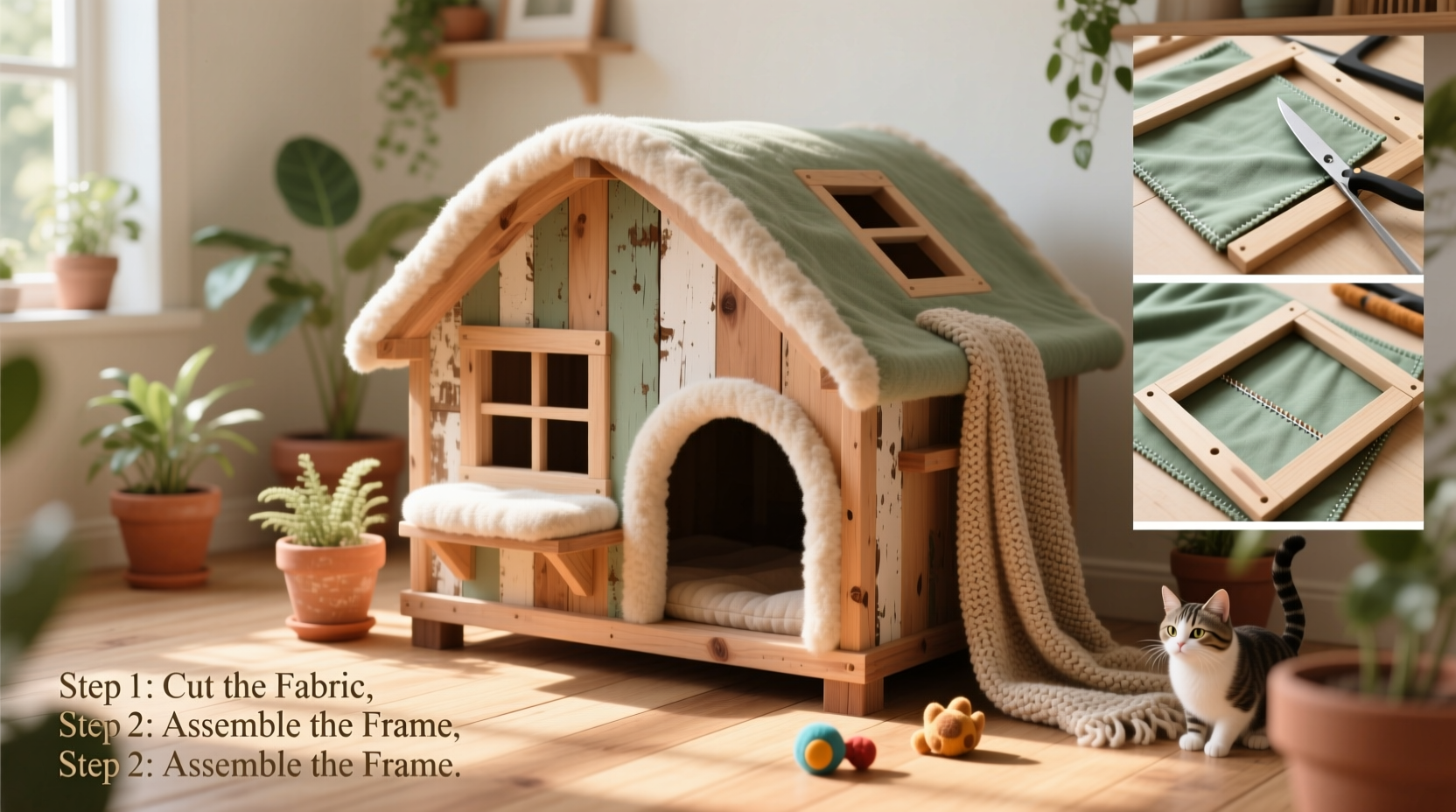
Commercial pet furniture often sacrifices design for function or vice versa. A homemade cat house gives you full creative control. You can match it to your living room aesthetic, use eco-friendly materials, and tailor dimensions to your cat’s preferences—whether they like tight, den-like spaces or open lounging areas.
Beyond aesthetics, a well-built cat house supports your pet’s natural instincts. Cats seek elevated, secluded spots to observe their surroundings while feeling protected. A thoughtfully designed shelter satisfies this need, reducing stress and encouraging healthy behavior.
“Cats benefit emotionally and physically from having a dedicated, quiet space. A custom-built house can significantly improve their sense of security.” — Dr. Lena Reyes, Feline Behavior Specialist
Materials and Tools You’ll Need
Selecting the right components is crucial for durability, safety, and comfort. Below is a checklist of recommended supplies based on a standard insulated wooden cat house design.
📋 Checklist: Essential Materials & Tools
- ½-inch plywood (for structure)
- Insulating foam board or recycled denim insulation
- Fleece fabric or soft upholstery-grade material (interior lining)
- Non-toxic wood glue and finishing nails
- Sandpaper (medium and fine grit)
- Water-based, pet-safe paint or stain
- Measuring tape, saw, drill, staple gun
- Scissors, utility knife, clamps
- Removable cushion or memory foam pad (optional)
Step-by-Step Construction Guide
Follow this detailed timeline to build a sturdy, attractive cat house in under a weekend.
- Design and Measure (30 minutes): Sketch a simple blueprint. Ideal interior dimensions are 18” wide x 16” deep x 16” high for medium-sized cats. Include a 7” diameter entry hole centered on the front panel.
- Cut the Panels (1 hour): Using your sketch, cut five pieces from plywood: base, two side walls, back wall, and front wall with entry hole. Use a jigsaw for curved openings.
- Assemble the Frame (2 hours): Attach side panels to the base with wood glue and nails. Reinforce corners with clamps until dry. Then attach front and back panels. Drill small ventilation holes near the top rear.
- Insulate (45 minutes): Cut foam board to fit interior walls and base. Secure with non-toxic adhesive. This keeps the house warm in winter and cool in summer.
- Line the Interior (1 hour): Cut fleece or soft fabric to size and staple it neatly to the inside walls and floor. Avoid loose ends that could snag claws.
- Finish the Exterior (2–3 hours, including drying time): Sand all outer surfaces smooth. Apply two coats of water-based, pet-safe paint or stain. Choose neutral tones like sage green, warm gray, or beige to blend with home interiors.
- Add Comfort Features (Optional, 30 minutes): Insert a removable cushion or memory foam base covered in washable fabric. Secure with Velcro strips for easy cleaning.
Pro Tips During Assembly
- Angle the roof slightly for future waterproofing if placing near windows.
- Use corner brackets for added stability if your cat is large or playful.
- Keep the entrance low (about 6–7 inches from floor) to enhance warmth retention.
Design Inspiration and Customization Ideas
A cat house doesn’t have to look out of place in your living room. With thoughtful details, it can become a functional piece of décor.
| Style Theme | Exterior Finish | Interior Lining | Extra Features |
|---|---|---|---|
| Modern Minimalist | Matte white paint, clean lines | Gray microfiber | Magnetic flap door, hidden storage underneath |
| Rustic Farmhouse | Reclaimed wood, natural stain | Plaid cotton fabric | Mini porch with twig railing |
| Boho Chic | Hand-painted patterns, stenciled motifs | Tasseled throw blanket lining | Hanging macramé bed insert |
| Compact Urban | Black metal legs, foldable canvas top | Memory foam + jersey knit | Fits under coffee table, dual-entry design |
💬 Real Example: Mia’s Scandinavian-Inspired Cat Nook
Mia, a graphic designer from Portland, built a compact cat house for her shy rescue cat, Juniper. She used birch plywood painted in matte white, lined the interior with ivory sherpa, and added a walnut-stained base. The final piece sat beside her reading chair, doubling as a side table with a lift-up lid. Juniper, who initially hid under sofas, began spending hours napping inside within days. “It’s like she finally claimed her territory,” Mia said. “And guests always compliment how nice it looks.”
Common Mistakes to Avoid
Even well-intentioned builds can fall short if certain pitfalls aren’t considered.
| Do’s | Don’ts |
|---|---|
| Use non-toxic finishes and adhesives | Apply oil-based paints or varnishes (fumes irritate cats) |
| Ensure adequate airflow with small vents | Seal the house completely (risk of moisture buildup) |
| Make interiors easily cleanable | Glue fabric permanently (hard to sanitize) |
| Secure the house if near stairs or high-traffic areas | Leave sharp edges or loose staples exposed |
FAQ
How big should the entrance be?
The opening should allow your cat to enter comfortably without squeezing but not so large that heat escapes quickly. A 7-inch diameter works for most adult cats. For larger breeds like Maine Coons, increase to 8–9 inches.
Can I use cardboard instead of wood?
Yes, for temporary or lightweight designs. Reinforced cardboard boxes lined with blankets make excellent trial shelters. However, they lack durability and insulation. Replace every few months or during damp seasons.
Where should I place the cat house?
Choose a quiet corner with moderate foot traffic—cats like to monitor activity without being in the middle of it. Near a window with natural light is ideal. Avoid placing directly next to loud appliances or drafty doors.
Final Thoughts and Next Steps
A DIY cozy cat house is more than a craft project—it’s an investment in your cat’s emotional well-being and a reflection of your care. By combining functionality with design, you create a space where your pet feels truly at home. Whether you opt for a minimalist cube or a whimsical cottage-style hideaway, the key lies in attention to detail: smooth finishes, safe materials, and thoughtful placement.
Start small if you’re new to woodworking. Even a basic model can bring joy to your cat. As you gain confidence, experiment with multi-level designs, integrated scratching posts, or magnetic connectors for modular units.




 浙公网安备
33010002000092号
浙公网安备
33010002000092号 浙B2-20120091-4
Comments
No comments yet. Why don't you start the discussion?