
Puffiness around the eyes and cheeks is a common concern—especially in the morning, after poor sleep, or during periods of stress. In recent years, facial rollers have surged in popularity as a go-to tool for de-puffing and sculpting the face. Sold with promises of “draining toxins,” “tightening skin,” and “reducing bloating,” these small handheld tools come in jade, rose quartz, stainless steel, and even cryo versions. But do they actually work? And if so, how much of their effect is real versus temporary? Let’s examine the physiology behind facial puffiness, how rollers interact with the skin, and whether the results are fleeting or sustainable.
The Science Behind Facial Puffiness
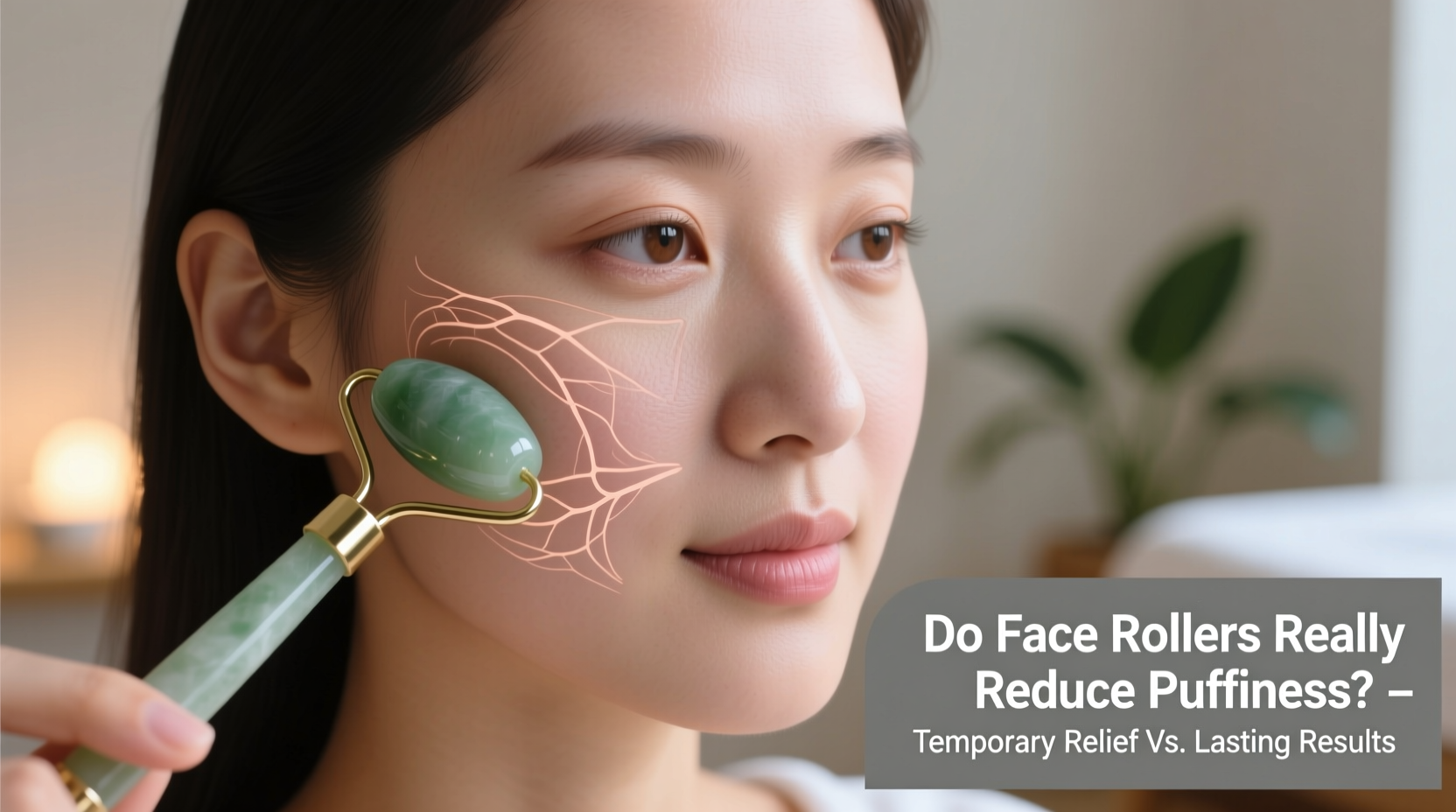
Facial puffiness, particularly under the eyes and along the jawline, typically stems from fluid accumulation in the tissues. This condition, known as periorbital edema when localized around the eyes, occurs due to several factors:
- Lymphatic congestion: The lymphatic system helps remove excess fluid and waste from tissues. When circulation slows—due to lack of movement, dehydration, or high salt intake—fluid can pool in the face.
- Sleep position: Lying flat encourages fluid to settle in the lower face and eyelids overnight.
- Allergies and inflammation: Histamine release from allergies can cause swelling.
- Hormonal fluctuations: Especially during menstruation, water retention increases.
- Aging: As skin loses elasticity and underlying fat pads shift, puffiness becomes more pronounced.
Unlike fat gain, facial puffiness is not permanent—it shifts based on hydration, diet, and circulatory health. This makes it responsive to manual techniques that stimulate drainage.
How Face Rollers Work: Mechanism and Evidence
Facial rollers operate on the principle of **manual lymphatic drainage (MLD)**—a gentle massage technique used in clinical settings to reduce swelling. By applying light pressure and moving outward from the center of the face toward the lymph nodes (located near the ears and neck), rollers encourage fluid to move away from congested areas.
Studies on MLD show measurable reductions in edema, especially post-surgery or in patients with lymphedema. While full-scale clinical trials on at-home facial rollers are limited, dermatologists acknowledge that the mechanical action can produce short-term de-puffing effects.
“Facial rolling mimics professional lymphatic massage. When done correctly, it can visibly reduce morning puffiness by redirecting stagnant fluid.” — Dr. Lena Patel, Board-Certified Dermatologist
The cooling properties of materials like jade or refrigerated metal rollers also contribute. Cold causes vasoconstriction—narrowing of blood vessels—which temporarily reduces inflammation and swelling. This is why many people notice an immediate tightening sensation after use.
Temporary vs. Long-Term Effects: What’s Real?
The key distinction lies in duration. Most visible improvements from facial rolling last between 30 minutes to a few hours. That said, consistent use may lead to longer-term benefits through cumulative effects:
- Improved microcirculation: Regular rolling boosts blood flow, delivering oxygen and nutrients to skin cells.
- Enhanced product absorption: When used after serums or oils, rolling helps push active ingredients deeper into the skin.
- Muscle toning over time: Some proponents suggest repetitive motion may mildly strengthen facial muscles, though evidence here is anecdotal.
- Reduced chronic congestion: Daily users report less persistent puffiness, likely due to improved lymphatic tone.
However, no peer-reviewed study confirms that facial rollers permanently alter facial structure or eliminate puffiness without continued use. They are best viewed as a cosmetic enhancement tool—not a medical treatment.
Step-by-Step Guide to Effective Facial Rolling
To maximize results and avoid irritation, follow this dermatologist-approved routine:
- Cleanse your face: Start with a clean canvas to prevent pushing dirt into pores.
- Apply a serum or facial oil: Use a hydrating or depuffing formula (look for caffeine, niacinamide, or hyaluronic acid).
- Chill the roller (optional): Store it in the fridge for 10–15 minutes before use for added cooling benefits.
- Begin under the eyes: Gently roll outward from the inner corner of each eye toward the temples. Use light pressure—never tug.
- Move to the cheeks: Start at the nose and roll diagonally up and out toward the hairline.
- Jawline and chin: Roll upward from the center of the chin along the jaw toward the lymph nodes below the ears.
- Forehead: Start at the center and roll outward toward the temples.
- Neck: Finish by rolling down the sides of the neck to drain fluid into the clavicular nodes.
- Duration: Spend 3–5 minutes total. Overuse can irritate delicate skin.
- Clean the roller: Wipe with a soft cloth and mild soap weekly to prevent bacterial buildup.
Comparing Roller Materials: Which Works Best?
Different materials offer distinct advantages. Here's a comparison to help you choose:
| Material | Benefits | Drawbacks | Best For |
|---|---|---|---|
| Jade | Naturally cool, lightweight, traditional appeal | Can crack if dropped, porous surface requires cleaning | Daily morning routines |
| Rose Quartz | Retains coolness longer than jade, associated with calming energy | Heavier, more expensive | Sensitive or inflamed skin |
| Stainless Steel | Holds cold extremely well, durable, non-porous | Heavy, less aesthetic | Intensive de-puffing, cryo treatments |
| Plastic/Gel | Affordable, freezer-safe | Less effective conductivity, may contain chemicals | Beginners or budget users |
For maximum de-puffing, metal rollers chilled in the freezer for 5–10 minutes deliver the strongest vasoconstrictive effect. However, natural stones remain popular for their sensory experience and holistic branding.
Real User Example: Morning Routine Transformation
Sarah, a 34-year-old graphic designer from Portland, struggled with persistent under-eye puffiness exacerbated by late-night screen work and seasonal allergies. She began using a rose quartz roller every morning after cleansing and applying a vitamin C serum.
Initially skeptical, she noticed reduced swelling within five days. “My eyes looked less tired, and my concealer didn’t crease as much,” she reported. After six weeks of consistent use—paired with reduced sodium intake and better hydration—she observed a subtle but noticeable improvement in facial definition. “It’s not dramatic, but I look more awake. It’s become part of my self-care ritual.”
Her results align with expert opinion: while rolling alone won’t transform facial structure, it enhances appearance when combined with healthy lifestyle habits.
Common Mistakes That Reduce Effectiveness
Many users don’t see results because of incorrect technique. Avoid these pitfalls:
- Using too much pressure: The face has thin skin and delicate capillaries. Heavy pressure can cause bruising or broken blood vessels.
- Rolling in the wrong direction: Always move toward lymph node clusters—outward and upward. Rolling downward traps fluid.
- Skipping product application: Rolling on dry skin increases friction and offers minimal benefit.
- Inconsistent use: Occasional rolling yields fleeting results. Daily use builds cumulative benefits.
- Not cleaning the tool: Bacteria from skin and products can accumulate, leading to breakouts.
“Technique matters more than the tool itself. A $10 roller used properly will outperform a $100 one used incorrectly.” — Naomi Reyes, Esthetician and Skincare Educator
Checklist: Optimize Your Facial Rolling Routine
Use this checklist to ensure you’re getting the most out of your facial roller:
- ✅ Cleanse face before rolling
- ✅ Apply a lightweight oil or serum
- ✅ Chill the roller (especially for puffiness)
- ✅ Use light, gliding pressure
- ✅ Follow correct directional patterns (center → outward)
- ✅ Include the neck in your routine
- ✅ Limit sessions to 3–5 minutes
- ✅ Clean the roller weekly
- ✅ Pair with hydration and low-sodium diet
- ✅ Be consistent—aim for daily use
FAQ: Your Top Questions Answered
Does facial rolling really reduce puffiness or is it just placebo?
It’s not placebo. The physical motion stimulates lymphatic drainage, and cold temperatures constrict blood vessels—both physiologically reduce swelling. Clinical principles support its short-term efficacy, though long-term changes require consistency and complementary habits.
How soon will I see results?
Most users notice reduced puffiness immediately after rolling, especially when using a chilled tool. Lasting visual improvements—such as firmer appearance or less frequent morning swelling—typically appear after 2–4 weeks of daily use.
Can facial rollers replace professional treatments?
No. While rollers offer maintenance-level benefits, they cannot replicate treatments like radiofrequency, microneedling, or professional lymphatic massage. Think of them as a supplement, not a substitute.
Conclusion: Realistic Expectations, Tangible Benefits
Facial rollers do reduce puffiness—but primarily through temporary physiological mechanisms. The cooling effect and lymphatic stimulation provide quick, visible improvements that fade within hours. However, when used consistently as part of a broader skincare and wellness routine, they can contribute to a more toned, refreshed appearance over time.
Their true value lies not in miracle transformations, but in accessible self-care. Just a few minutes each morning can enhance circulation, boost product effectiveness, and create a mindful ritual that supports both skin health and mental well-being.




 浙公网安备
33010002000092号
浙公网安备
33010002000092号 浙B2-20120091-4
Comments
No comments yet. Why don't you start the discussion?