
Facial rollers have become a staple in modern skincare routines, gracing bathroom counters from Seoul to Los Angeles. Touted for reducing puffiness, boosting radiance, and enhancing product absorption, these handheld tools—often made of jade or rose quartz—are more than just Instagram-worthy accessories. But beyond the aesthetic appeal and viral TikTok trends, do they actually deliver measurable results? Or are they simply another wellness placebo wrapped in cool stone?
The answer lies somewhere between physiology, consistency, and realistic expectations. While facial rollers won’t replace medical treatments or deep skincare regimens, they can play a meaningful role in supporting lymphatic drainage, circulation, and overall skin tone when used correctly.
The Science Behind Facial Rolling: Lymphatic Drainage and Circulation
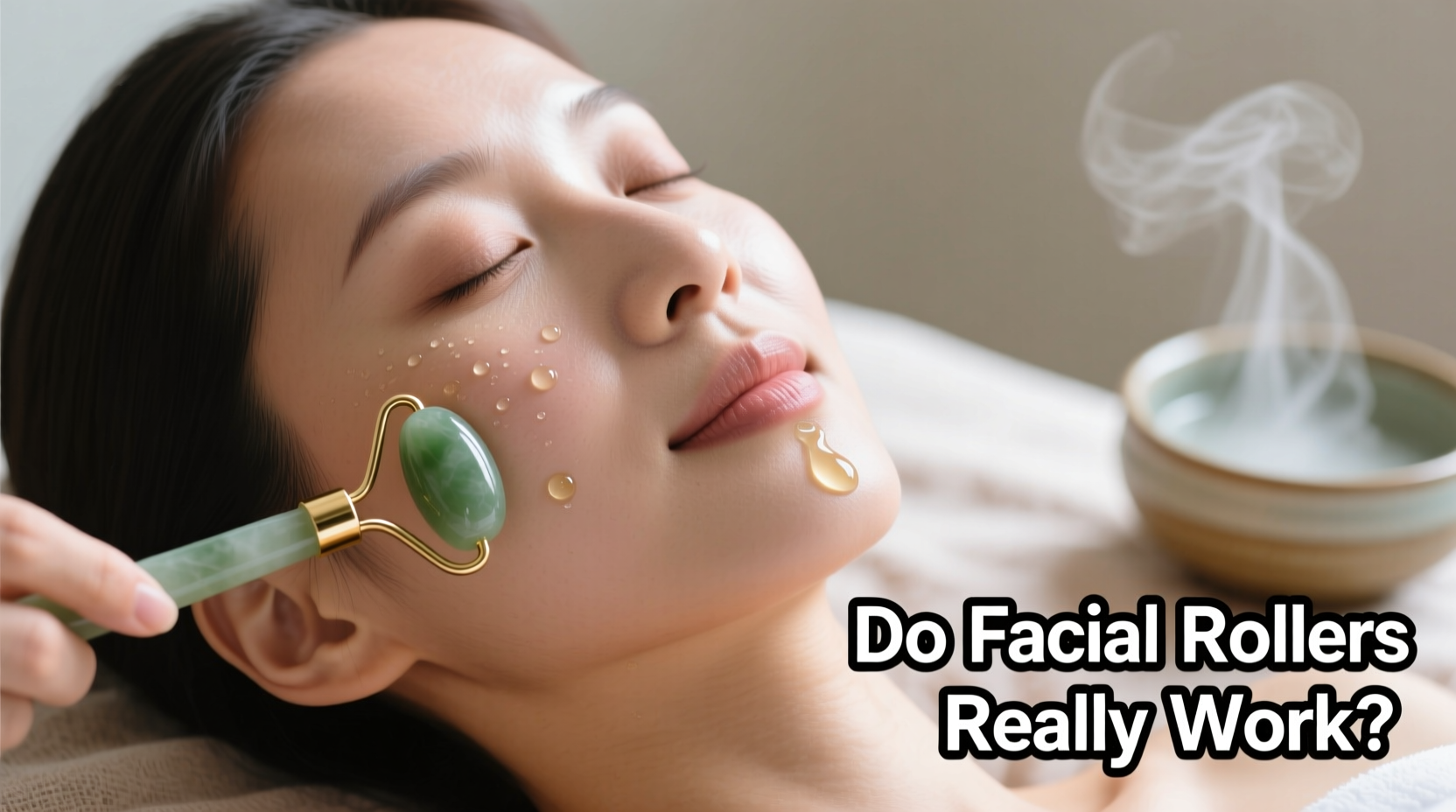
Facial rollers are designed to mimic manual lymphatic drainage (MLD), a gentle massage technique used by estheticians and physical therapists to help move excess fluid out of tissues. The face, like the rest of the body, contains a network of lymphatic vessels that carry waste, toxins, and immune cells. When this system becomes sluggish—due to poor sleep, high sodium intake, stress, or allergies—fluid can accumulate, particularly under the eyes and along the jawline, leading to visible puffiness.
Rolling the face with upward and outward motions applies light pressure that may stimulate lymph flow, encouraging the removal of stagnant fluid. This mechanical action is similar to gua sha or facial massage, both of which are rooted in traditional Chinese medicine.
“While facial rolling isn’t a cure-all, it can support temporary depuffing through improved microcirculation and lymph movement,” says Dr. Nina Dhawan, board-certified dermatologist based in New York. “The cooling effect of the stone also constricts blood vessels, which can reduce the appearance of swelling.”
Studies on facial massage devices show modest improvements in facial contour and skin tautness over time, though most research focuses on professional-grade tools rather than at-home rollers. Still, consistent anecdotal evidence and clinical observation suggest that regular use can contribute to a more sculpted, awake appearance—especially in the morning.
Do They Really Deliver Glowing Skin?
Glowing skin is often the result of healthy circulation, proper hydration, and efficient cell turnover. Facial rollers don’t exfoliate or hydrate directly, but they can enhance conditions that promote radiance.
When you roll your face, especially after applying serums or facial oils, you’re gently pressing active ingredients deeper into the epidermis. While the roller doesn’t increase penetration dramatically, the massaging motion can improve product distribution and absorption compared to fingertip application alone.
Additionally, increased blood flow brings oxygen and nutrients to the skin’s surface, giving it a temporary flush—what many describe as a “post-facial glow.” This isn’t permanent, but it can make a noticeable difference before events or photos.
Comparing Materials: Jade vs. Rose Quartz vs. Stainless Steel
Not all facial rollers are created equal. The material affects temperature retention, durability, and even energetic claims (though those are not scientifically validated). Here’s how common types compare:
| Material | Cooling Effect | Durability | Energetic Claim | Best For |
|---|---|---|---|---|
| Jade | Moderate (cools quickly) | Medium (can chip) | Balancing, calming | Daily morning use |
| Rose Quartz | High (retains cold longer) | Low-Medium (more fragile) | Love, self-care | Sensitive or inflamed skin |
| Stainless Steel | Very High (holds cold longest) | High (durable) | None (medical-grade) | Professional or intense depuffing |
If your goal is maximum depuffing, consider storing your roller in the refrigerator overnight. Cold metal rollers are sometimes used in dermatology clinics post-procedure to soothe inflammation and minimize swelling.
A Step-by-Step Guide to Effective Facial Rolling
Using a facial roller incorrectly can negate benefits or even cause irritation. Follow this five-minute routine for optimal results:
- Cleanse and prep: Start with a clean face. Apply a facial oil, serum, or moisturizer to reduce friction.
- Begin under the eyes: Use the small end to gently roll from the inner corner outward, following the orbital bone. Repeat 3–5 times.
- Move to cheeks: Starting at the nose, roll outward toward the ears, moving up toward the temples. Use upward strokes only.
- Jawline and neck: Place the roller at the center of your chin and glide down along the jaw, ending at the collarbone. This direction follows lymphatic flow.
- Forehead: Begin at the center of the forehead and roll outward toward the hairline, then upward to the scalp line.
- Repeat each section 3–5 times, using light to moderate pressure. Never drag or pull harshly.
For best results, perform this routine daily—ideally in the morning to combat overnight fluid retention. Evening use can be relaxing but may be less effective for depuffing since gravity has less impact while lying down.
Real Results: A Mini Case Study
Sophie, a 34-year-old graphic designer from Portland, struggled with chronic under-eye puffiness due to seasonal allergies and late-night screen work. She purchased a rose quartz roller on a friend’s recommendation and committed to a 30-day trial.
Each morning, she refrigerated the roller for 10 minutes, then performed a 5-minute routine focusing on her orbital area and cheekbones. She paired it with a caffeine-based eye serum known for vasoconstriction.
After two weeks, Sophie noticed her concealer stayed smoother throughout the day. By day 30, her partner remarked, “You look more rested, even if you didn’t sleep well.” A side-by-side photo comparison showed reduced lower-lid swelling and improved cheek definition. While her allergies persisted, the visible signs were less pronounced.
Her takeaway? “It’s not magic, but it’s the one thing I can control every morning. It feels like a reset button for my face.”
Common Mistakes That Reduce Effectiveness
Even with the right tool, improper use can limit results or harm delicate skin. Avoid these frequent errors:
- Rolling too hard: Excessive pressure can damage capillaries or stretch the skin.
- Rolling in the wrong direction: Moving downward or inward works against lymphatic flow.
- Using a dirty roller: Bacteria buildup can lead to breakouts. Clean weekly with mild soap and water.
- Skipping skincare prep: Rolling on dry skin increases friction and defeats the purpose of enhancing product absorption.
- Expecting overnight changes: Benefits are cumulative. Most users report visible improvements after 2–4 weeks of daily use.
Expert-Backed Checklist for Best Results
To get the most out of your facial roller, follow this practical checklist:
- ✅ Store in the fridge overnight for enhanced depuffing
- Maximizes vasoconstriction and soothing effects.
- ✅ Use after applying serums or oils
- Improves distribution and reduces product waste.
- ✅ Stick to upward and outward motions
- Follows natural lymphatic pathways.
- ✅ Clean regularly
- Wash with warm water and gentle cleanser once a week.
- ✅ Pair with other de-puffing strategies
- Reduce salt intake, stay hydrated, elevate your head while sleeping.
- ✅ Be patient and consistent
- Use daily for at least three weeks before evaluating results.
Frequently Asked Questions
Can facial rollers reduce wrinkles?
No direct evidence shows that facial rollers reduce fine lines or wrinkles. However, improved circulation and collagen stimulation from massage may support skin elasticity over time. For wrinkle reduction, retinoids, peptides, and professional treatments remain more effective.
How often should I use a facial roller?
Daily use is safe and recommended, especially in the morning. Some people use it twice a day—morning for depuffing, evening for relaxation—but avoid excessive pressure or prolonged sessions.
Are there any side effects?
When used gently, facial rollers are safe for most skin types. However, individuals with active acne, rosacea, or broken capillaries should proceed with caution. If irritation occurs, discontinue use.
Final Verdict: Do They Work?
The truth is nuanced. Facial rollers do not permanently alter facial structure or reverse aging. They won’t replace prescription treatments or high-performance skincare. But as a low-risk, non-invasive tool for temporary depuffing and short-term glow enhancement, they offer tangible benefits—especially when integrated into a broader self-care routine.
Their effectiveness hinges on consistency, proper technique, and realistic expectations. Used correctly, a facial roller can be more than a ritual; it can be a functional step toward healthier-looking skin. The cooling sensation, tactile feedback, and moment of mindfulness also contribute to stress reduction—an indirect but significant factor in skin health.
As Dr. Dhawan puts it: “If it encourages someone to slow down, touch their face with care, and engage with their skincare routine more mindfully, that’s already a win. And yes, there’s some real physiology behind the glow.”
Take Action Today
You don’t need a $100 roller to start seeing benefits. Even an affordable jade tool, used with intention and correct technique, can make a difference. Commit to a 21-day rolling routine—track your results with photos, note changes in puffiness, and observe how your products behave on your skin.




 浙公网安备
33010002000092号
浙公网安备
33010002000092号 浙B2-20120091-4
Comments
No comments yet. Why don't you start the discussion?