
In recent years, LED face masks have surged in popularity, appearing on social media feeds, celebrity vanity tables, and even dermatology clinics. Marketed as a non-invasive solution for clearer skin and reduced wrinkles, these glowing devices promise salon-grade results from the comfort of home. But with so much hype, it’s worth asking: do they actually work? And if so, what kind of results can you realistically expect when using an LED face mask for acne or anti-aging?
To separate fact from fiction, we’ve consulted dermatologists, reviewed clinical studies, and examined real-world user experiences. The answer isn’t a simple yes or no—it depends on the type of light, consistency of use, skin condition, and device quality.
How LED Light Therapy Works on Skin
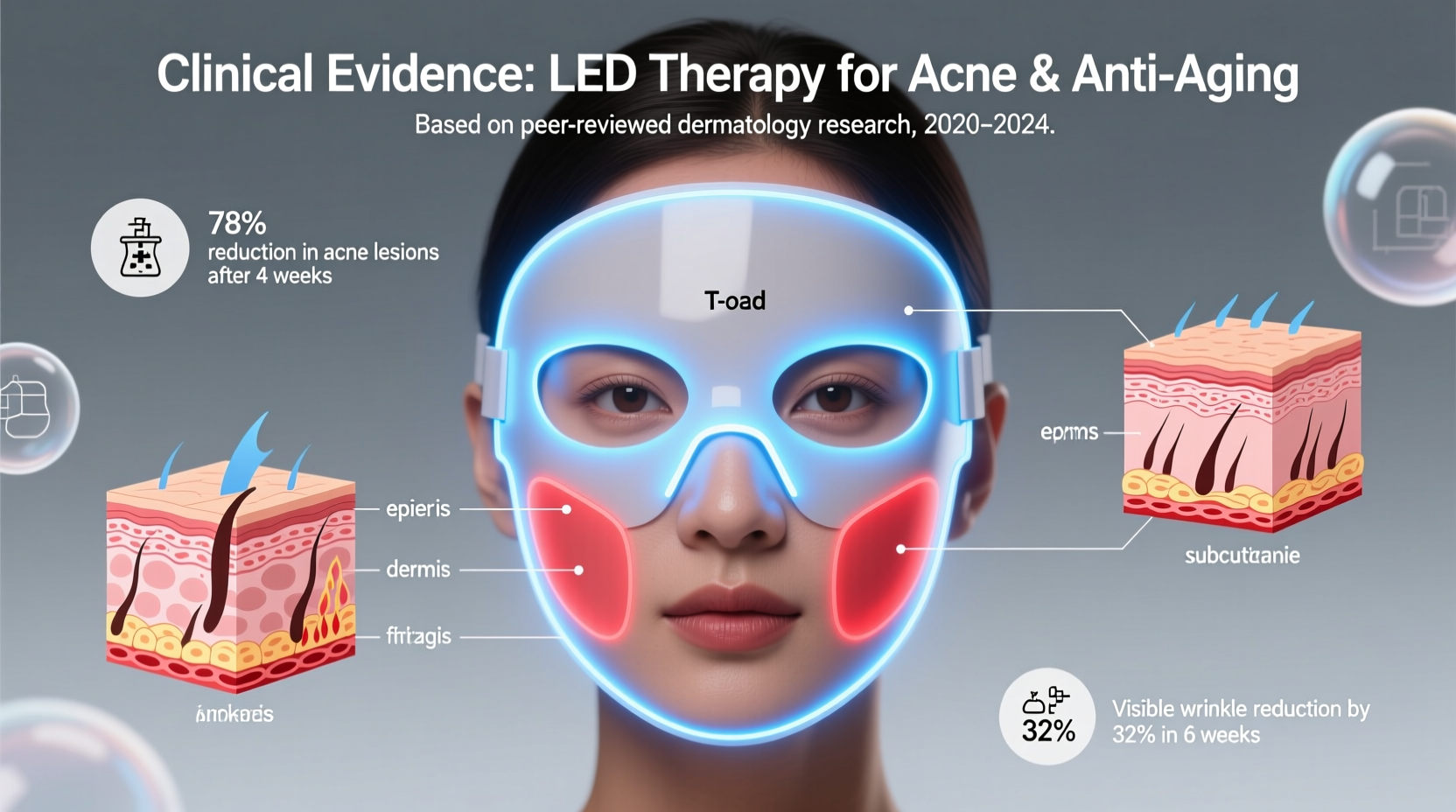
LED (light-emitting diode) therapy uses specific wavelengths of light to penetrate the skin at varying depths. Unlike UV light, which damages skin and increases cancer risk, LED light is non-thermal and non-invasive. It works by stimulating cellular activity through a process called photobiomodulation.
Different colors of light target different concerns:
- Blue light (400–470 nm): Targets acne-causing bacteria (Cutibacterium acnes) by activating porphyrins within the bacteria, leading to their destruction.
- Red light (630–700 nm): Penetrates deeper into the dermis to stimulate fibroblasts, the cells responsible for producing collagen and elastin—key components in reducing fine lines and improving skin firmness.
- Near-infrared light (800–900 nm): Reaches even deeper tissue layers, promoting healing, reducing inflammation, and enhancing circulation.
A 2020 review published in Dermatologic Surgery concluded that red and blue LED therapies are effective for mild-to-moderate inflammatory acne, with minimal side effects. Similarly, multiple studies have shown measurable improvements in skin texture and wrinkle depth after consistent red light exposure over several weeks.
“LED therapy is one of the few at-home treatments backed by solid science. It won’t replace retinoids or prescription acne meds, but it can be a valuable adjunct.” — Dr. Nina Patel, Board-Certified Dermatologist
Do LED Masks Really Reduce Acne?
The short answer: yes, but with caveats.
Blue LED light has been FDA-cleared for treating acne due to its ability to kill acne-causing bacteria without antibiotics. In clinical settings, blue light therapy is often used alongside other treatments like topical benzoyl peroxide or oral medications. At-home LED masks typically combine blue and red lights, offering both antibacterial and anti-inflammatory benefits.
A 2018 study in the Journal of Cosmetic and Laser Therapy found that participants who used a combination blue-red LED device five times a week for four weeks experienced a 64% reduction in inflammatory acne lesions. However, results were gradual and required strict adherence.
It's important to note that LED therapy works best for mild to moderate acne. Severe cystic acne usually requires stronger interventions such as isotretinoin or corticosteroid injections. Additionally, LED masks don't address hormonal imbalances, excess sebum production, or clogged pores directly—they only reduce bacterial load and inflammation.
Realistic Expectations for Acne Treatment
Unlike fast-acting spot treatments, LED therapy doesn’t deliver overnight results. Most users report visible improvement after 4–8 weeks of consistent use (typically 3–5 sessions per week). Breakouts may become less frequent, inflamed pimples heal faster, and overall complexion appears calmer.
One common misconception is that LED masks “dry out” acne. They don’t. Instead, they modulate the environment where acne thrives—by reducing bacteria and calming inflammation. Think of them as maintenance tools rather than emergency fixes.
Can LED Masks Slow Signs of Aging?
When it comes to anti-aging, red and near-infrared light take center stage.
As we age, collagen production slows down by about 1% per year starting in our mid-20s. This leads to thinner skin, loss of elasticity, and the formation of fine lines. Red LED light stimulates mitochondrial activity in skin cells, boosting ATP (energy) production and encouraging new collagen synthesis.
A landmark 2014 study in Photomedicine and Laser Surgery showed that subjects who received red LED treatments twice weekly for 12 weeks reported significant improvements in skin smoothness, firmness, and wrinkle reduction. Researchers observed a 31% increase in collagen density via biopsy samples.
At-home LED masks replicate this technology, though with lower irradiance (power output) than professional devices. While they may not produce dramatic lifts, regular use can help maintain youthful skin tone and delay visible aging—especially when combined with proven anti-aging ingredients like retinol and vitamin C.
| Light Type | Primary Benefit | Best For | Time to See Results |
|---|---|---|---|
| Blue (415–470 nm) | Kills acne bacteria | Mild to moderate inflammatory acne | 4–8 weeks |
| Red (630–700 nm) | Boosts collagen & reduces inflammation | Wrinkles, dullness, uneven texture | 6–12 weeks |
| Near-Infrared (800–900 nm) | Deep tissue repair & healing | Skin recovery, redness, firmness | 8–12 weeks |
| Amber/Yellow | Calms sensitivity | Redness, rosacea, irritation | 2–6 weeks |
Choosing the Right Device: What Matters Most
Not all LED masks are created equal. With prices ranging from $50 to over $400, understanding key technical specs can help avoid wasting money on underpowered gadgets.
Key Features to Look For:
- Wavelength Accuracy: Ensure the device specifies exact nanometers (e.g., 633nm red light). Vague claims like “anti-aging light” are red flags.
- Irradiance (mW/cm²): Higher irradiance means more energy delivered to the skin. Professional units range from 50–100 mW/cm²; good home devices should offer at least 20–30 mW/cm².
- Coverage: Full-face coverage ensures uniform treatment. Some cheaper models only illuminate cheeks or forehead.
- Medical Certification: Look for FDA-cleared or CE-marked devices, indicating safety and efficacy testing.
- Combination Lights: Devices offering both red and blue LEDs provide dual benefits for acne and aging.
Mini Case Study: Sarah’s Experience with Hormonal Acne
Sarah, a 32-year-old marketing executive, struggled with persistent jawline acne linked to hormonal fluctuations. She avoided strong topicals due to sensitive skin and was hesitant to start spironolactone. After researching non-invasive options, she invested in an FDA-cleared red-blue LED mask.
She used it every other night for six weeks, always on clean, dry skin. By week four, she noticed fewer new breakouts and faster healing of existing ones. After eight weeks, her dermatologist noted a 50% reduction in inflammatory lesions and improved skin texture. While not a cure, Sarah found the mask helped manage flare-ups between menstrual cycles—especially when paired with a gentle skincare routine.
Step-by-Step Guide to Using Your LED Mask Effectively
Maximizing results requires more than just wearing the mask. Follow this evidence-based routine:
- Cleanse thoroughly: Remove all makeup, oil, and residue. Use a gentle foaming or gel cleanser.
- Pat skin dry: Moisture can scatter light and reduce penetration efficiency.
- Remove contact lenses and protect eyes: Wear the provided eye shields or keep eyes closed. Never look directly at active LEDs.
- Position the mask properly: Ensure full contact with forehead, cheeks, and chin. Adjust straps if necessary.
- Set timer according to instructions: Most sessions last 10–20 minutes. Overuse offers no added benefit and may cause irritation.
- Follow with serums: Post-treatment, apply antioxidant-rich products like vitamin C or hyaluronic acid to enhance repair.
- Consistency is key: Aim for 3–5 sessions per week for at least 6–8 weeks before evaluating results.
Common Myths and Misconceptions
Despite growing scientific support, misconceptions persist:
- Myth: LED masks work like tanning beds. False. LED emits non-UV light and does not tan or damage DNA.
- Myth: More light = better results. Excessive exposure can lead to oxidative stress. Stick to recommended durations.
- Myth: One session will clear acne. Phototherapy is cumulative. Patience and consistency are essential.
- Myth: All masks are medical-grade. Many consumer devices lack sufficient power to produce meaningful biological effects.
FAQ: Your Top Questions Answered
Are LED face masks safe for all skin types?
Yes, LED therapy is generally safe for all skin tones and types, including sensitive skin. Unlike lasers or chemical peels, it doesn’t remove layers of skin or cause downtime. However, people with photosensitivity disorders or those taking photosensitizing medications (like certain antibiotics or retinoids) should consult a doctor first.
Can I use an LED mask with other acne treatments?
Absolutely—and doing so can enhance outcomes. Blue and red light complement topical treatments like benzoyl peroxide, salicylic acid, and retinoids. In fact, LED therapy may reduce irritation caused by these actives by calming inflammation. Just avoid using the mask immediately after exfoliating acids if your skin feels raw.
How long do results last after stopping use?
Results are not permanent. Like exercise or a healthy diet, benefits diminish if you stop. Collagen production slows again, and bacterial levels can rebound. To maintain results, most experts recommend ongoing use—either continuously or in maintenance cycles (e.g., 1–2 times per week).
Checklist: Getting Started with LED Therapy
- ☑ Consult a dermatologist if you have severe acne or underlying skin conditions.
- ☑ Choose a device with verified wavelengths and FDA/CE clearance.
- ☑ Commit to using the mask 3–5 times per week for at least 6 weeks.
- ☑ Pair with a consistent skincare routine (cleanser, moisturizer, SPF).
- ☑ Protect your eyes during each session.
- ☑ Track changes with weekly selfies under consistent lighting.
- ☑ Be patient—real change takes time.
Conclusion: A Science-Backed Tool, Not a Magic Cure
LED face masks are not miracle workers, but they are far from placebo devices. Supported by decades of research and increasingly adopted in clinical practice, they offer a safe, painless way to support clearer, younger-looking skin—especially when used consistently and correctly.
They won’t replace prescription medications for severe acne or eliminate deep wrinkles like a facelift. But for those seeking a low-risk, non-invasive addition to their skincare regimen, LED therapy delivers measurable benefits over time.




 浙公网安备
33010002000092号
浙公网安备
33010002000092号 浙B2-20120091-4
Comments
No comments yet. Why don't you start the discussion?