
In the growing movement toward sustainable living, reusable straws have become a staple in eco-conscious households. Among the most popular options are metal and silicone straws—both praised for reducing single-use plastic waste. But when it comes to long-term use, hygiene, and ease of cleaning, how do they truly compare? While both materials offer benefits, their performance in daily routines can vary significantly. Understanding these differences helps users make informed choices that align with their lifestyle, health priorities, and environmental goals.
Durability and Longevity: How Each Material Holds Up Over Time
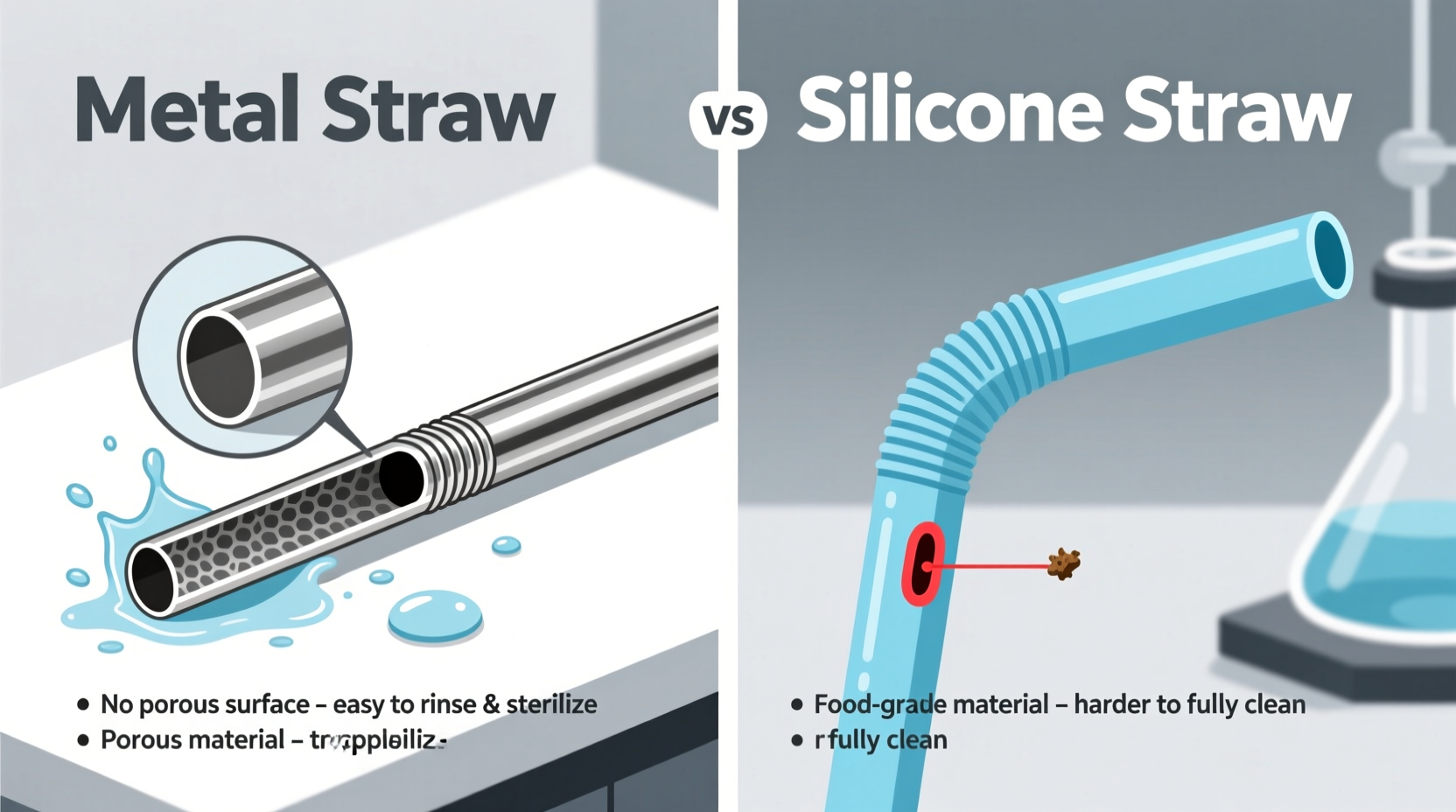
Metal straws, typically made from stainless steel or titanium, are known for exceptional durability. They resist dents, scratches, and corrosion, even after repeated use and washing. High-quality stainless steel straws can last for years without degrading, making them ideal for frequent travelers or families committed to zero-waste habits.
Silicone straws, on the other hand, are flexible and shatterproof, offering safety advantages—especially for children or individuals with mobility challenges. However, over time, silicone may develop surface cracks or discoloration, particularly if exposed to high heat or harsh detergents. These micro-fractures can harbor bacteria and are difficult to detect visually.
One key factor affecting longevity is how each material reacts to temperature extremes. Metal conducts heat efficiently, so using it with hot beverages poses a burn risk unless handled carefully. Silicone handles temperature variations better but may warp in dishwashers with intense drying cycles.
Cleaning Efficiency: Surface Texture and Residue Trapping
The ease of cleaning depends largely on surface texture and structural design. Metal straws generally feature smooth, non-porous surfaces that resist staining and microbial growth. Most are seamless or have minimal joints, reducing places where residue can accumulate. A quick rinse followed by brushing with a small pipe cleaner usually suffices for thorough sanitation.
Silicone straws, while soft and pliable, often have textured interiors due to molding processes during manufacturing. This texture can trap liquids, especially thick smoothies or sugary drinks, increasing the risk of bacterial buildup if not cleaned immediately after use. Because of their flexibility, they may also collapse slightly during brushing, making full contact with cleaning tools inconsistent.
A 2022 study published in the Journal of Environmental Health Science found that porous or textured reusable straws retained up to 37% more biofilm than smooth-surfaced alternatives after five uses without deep cleaning. The researchers concluded that non-porous materials like stainless steel provided superior hygiene outcomes under typical household conditions.
“Smooth, non-reactive surfaces are inherently easier to sanitize. For reusable food-contact items, simplicity in design translates directly to safety.” — Dr. Lena Patel, Microbiologist and Public Health Consultant
Comparison Table: Key Features at a Glance
| Feature | Metal Straw | Silicone Straw |
|---|---|---|
| Material Type | Stainless steel or titanium | Food-grade silicone |
| Porosity | Non-porous | Low porosity, but surface texture varies |
| Cleaning Difficulty | Easy (smooth interior) | Moderate to hard (flexible walls, texture) |
| Dishwasher Safe | Yes, all parts | Often yes, but may degrade over time |
| Lifespan | 5+ years with care | 1–3 years depending on usage |
| Kid-Friendly | No (rigid, conductive) | Yes (soft, safe if bitten) |
| Eco Impact | High recyclability | Not widely recyclable |
Step-by-Step Cleaning Guide for Both Types
Proper cleaning ensures hygiene and extends the life of any reusable straw. Follow this universal process tailored to each material:
- Immediate Rinse: After use, flush both straws with warm water to remove residual liquid. Delayed rinsing increases odor and staining risks.
- Brush Internally: Use a dedicated straw brush. For metal, insert and twist the brush along the full length. For silicone, gently compress the straw while brushing to maintain contact with inner walls.
- Soak Weekly: Soak metal straws in a vinegar-water solution (1:3 ratio) for 15 minutes weekly to dissolve mineral deposits. Silicone should be soaked in mild soapy water only—avoid vinegar as it may degrade the polymer over time.
- Dishwasher Use: Place metal straws upright in cutlery baskets. Silicone straws should lie flat on the top rack, away from heating coils.
- Air Dry Completely: Store only when fully dry. Moist environments promote mold, especially inside coiled brushes or folded silicone.
Real-World Example: A Family’s Switch from Silicone to Metal
The Thompson family of four began using silicone straws two years ago, drawn by their bright colors and child-safe flexibility. Their two young children used them daily with milkshakes and fruit juices. Within eight months, several straws developed faint yellow stains near the base, despite regular dishwasher cycles. One straw emitted a sour smell after being stored damp overnight.
After consulting a pediatric nutritionist about potential mold exposure, they switched to stainless steel straws with silicone tips—combining safety and cleanability. They noticed immediate improvements: no staining, easier brushing, and confidence in hygiene. Though the kids required supervision to avoid clinking noises or biting down hard, the parents reported fewer worries about bacterial contamination.
This case illustrates a common pattern: initial appeal of silicone for safety often gives way to maintenance frustrations, prompting hybrid or full transition to metal options.
Maintenance Challenges and Common Mistakes
Even with good intentions, users frequently make errors that compromise cleanliness:
- Using the same brush for multiple straw types—cross-contamination can occur if residue transfers between materials.
- Storing straws while still damp—creates an ideal environment for mold, especially in travel cases.
- Neglecting brush hygiene—many forget to replace or disinfect cleaning brushes every 1–2 months.
- Assuming “dishwasher safe” means zero effort—some silicone straws warp or retain odors even in machines.
To avoid these pitfalls, establish a consistent post-use routine. Treat your straw like a toothbrush—personal, frequently used, and requiring regular attention.
Environmental and Safety Considerations
While both straws reduce plastic waste, their end-of-life impact differs. Stainless steel is highly recyclable and retains value in scrap markets. Titanium, though less common, offers even greater durability and corrosion resistance. In contrast, food-grade silicone is not accepted in most municipal recycling programs. When discarded, it persists in landfills for decades, albeit without leaching toxins.
Safety-wise, metal straws pose minor risks if dropped into hard surfaces (potential chipping of teeth), but these are rare. Silicone excels here, especially for toddlers or people with medical conditions involving involuntary jaw movements. Some brands now offer metal straws with soft silicone mouthpieces—a balanced compromise.
“We’re seeing more demand for modular designs—durable bodies with replaceable soft tips. It combines best-in-class materials without sacrificing function.” — Carlos Mendez, Sustainable Product Designer at EcoUtensil Labs
Checklist: Choosing the Right Reusable Straw for Your Needs
Use this checklist to determine which option suits your lifestyle:
- ✅ Do you prioritize easy cleaning and long-term reuse? → Choose metal.
- ✅ Are you using straws with children under 6? → Lean toward silicone or hybrid models.
- ✅ Will you use straws with thick drinks (smoothies, boba)? → Opt for wide-bore metal with stiff brushes.
- ✅ Do you travel frequently and need compact storage? → Consider foldable metal with carrying cases.
- ✅ Is dishwasher convenience essential? → Confirm both material and brush are dishwasher-safe; prefer metal for reliability.
- ✅ Are you concerned about environmental end-of-life? → Favor metal for recyclability.
Frequently Asked Questions
Can I clean metal straws in the microwave?
No. Never place metal straws in the microwave. The conductive properties can cause sparking, damage the appliance, or create fire hazards.
Do silicone straws absorb flavors over time?
Yes, especially when used with strongly pigmented or aromatic liquids like turmeric lattes or tomato juice. Flavor retention is more common in older or scratched silicone straws due to microscopic pores forming on degraded surfaces.
Are there health risks associated with either material?
High-quality versions of both are considered safe. Ensure stainless steel is 304 or 316 grade (food-safe). For silicone, verify it’s labeled “platinum-cured” and free of fillers. Poor-quality silicone may contain additives that leach over time, especially when heated.
Final Thoughts and Recommendation
When evaluating metal versus silicone straws for ease of cleaning and reusability, metal emerges as the superior choice for most adults and long-term users. Its non-porous surface, resistance to wear, and compatibility with rigorous cleaning methods make it a hygienic, low-maintenance option. Silicone remains valuable in specific contexts—particularly for young children or those needing adaptive tools—but requires more diligent upkeep to remain safe and effective.
The ideal approach may involve owning both: metal for everyday adult use and silicone for situations where safety and flexibility take precedence. Whichever you choose, consistency in cleaning, proper storage, and timely replacement of worn components ensure optimal performance and peace of mind.




 浙公网安备
33010002000092号
浙公网安备
33010002000092号 浙B2-20120091-4
Comments
No comments yet. Why don't you start the discussion?