
In the global push to reduce single-use plastics, reusable grocery bags have become a symbol of eco-conscious living. Seen slung over shoulders at farmers markets and crammed into car trunks, these durable carriers promise to cut down on plastic pollution. But as their popularity grows, so do questions about their real-world impact. Are they truly better for the environment? Or do they simply trade one set of problems for another—like increased water use, chemical production, or even food safety risks?
The answer isn’t straightforward. While reusable bags can significantly reduce plastic bag consumption when used consistently, their overall benefit depends on how often they’re reused, how they’re made, and how consumers handle them. This article examines the full lifecycle of reusable bags, weighs their advantages against hidden costs, and offers practical guidance for making them a genuinely sustainable choice.
The Environmental Promise of Reusable Bags
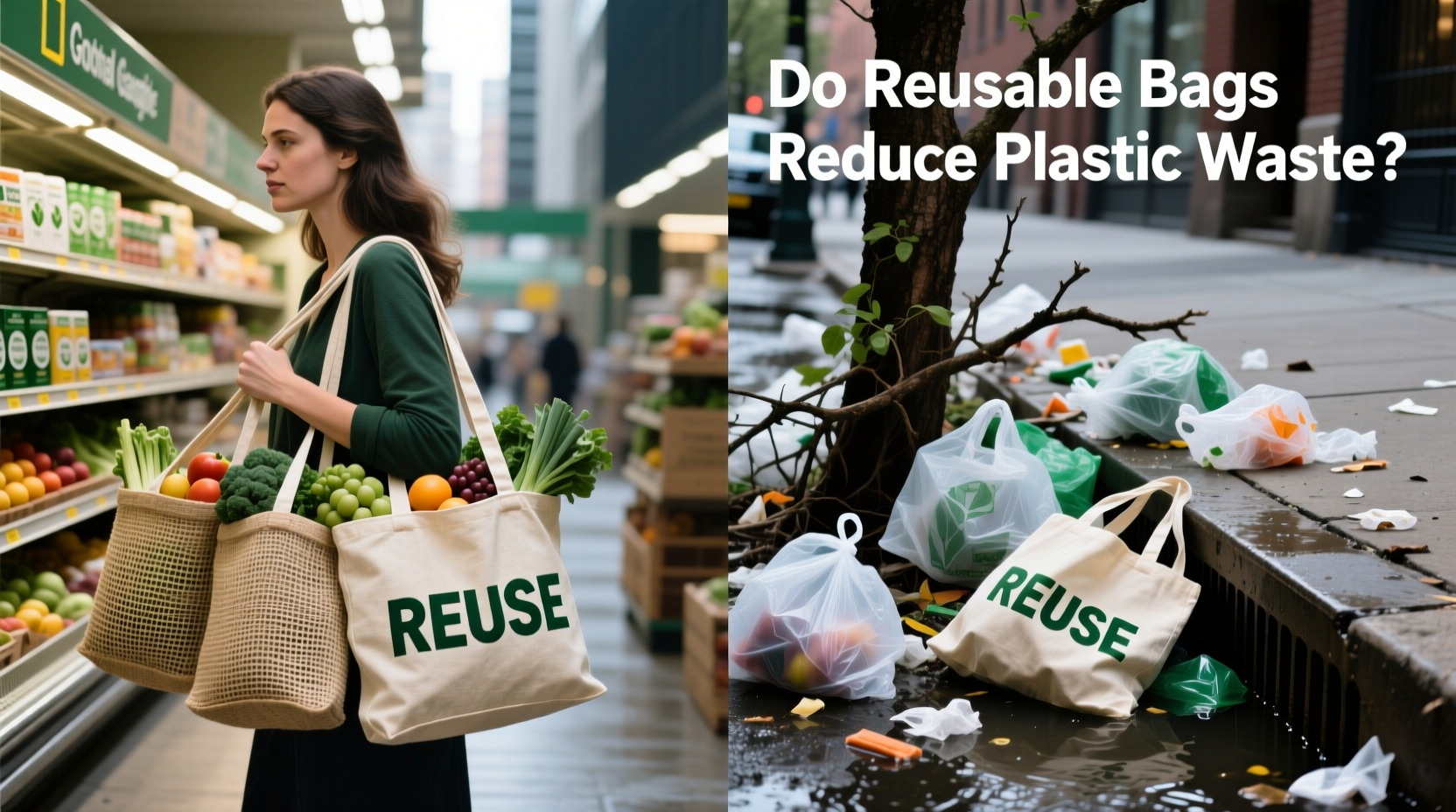
Single-use plastic bags are a major contributor to pollution. They clog storm drains, harm marine life, and take centuries to break down. According to the United Nations Environment Programme, up to 5 trillion plastic bags are used globally each year. Many end up in oceans, where they fragment into microplastics that enter the food chain.
Reusable bags were introduced as a solution. Made from materials like cotton, polyester, or polypropylene, they are designed to be used dozens—or even hundreds—of times. The logic is simple: one durable bag replaces hundreds of disposables, reducing litter and resource extraction over time.
Studies support this idea—if the bags are actually reused. A 2018 UK Environment Agency report found that a cotton tote must be used at least 131 times to have a lower global warming potential than a single-use plastic bag, assuming the plastic bag is recycled. For non-woven polypropylene (the common green or blue grocery tote), the break-even point is just 11 uses. The key factor? Frequency of reuse.
“Every bag has an environmental cost at production. The only way to offset that cost is through repeated use.” — Dr. Sarah Collins, Senior Researcher at the Sustainable Materials Initiative
Hidden Environmental Costs
While reusable bags avoid ongoing plastic production, their manufacturing process carries its own footprint. Cotton, often perceived as “natural,” requires vast amounts of water and pesticides. Producing one cotton tote can consume up to 27,000 liters of water—equivalent to what one person drinks over three years.
Synthetic alternatives like recycled PET (rPET) or polypropylene also pose issues. These are derived from fossil fuels and require energy-intensive processes to manufacture. Additionally, when washed, synthetic bags shed microfibers that contribute to water pollution.
Transportation adds another layer. Heavier reusable bags increase fuel consumption during shipping compared to lightweight plastic ones. If consumers forget their bags and make extra trips to retrieve them, the carbon footprint rises further.
And then there’s disposal. Despite being marketed as long-lasting, many reusable bags end up discarded after minimal use. A study by the Danish Environmental Protection Agency found that 39% of reusable bags are thrown away within six months. When not recycled—and most aren’t—they add to landfill waste or become litter.
Hygiene and Health Concerns
Beyond environmental metrics, reusable bags raise public health considerations. Unlike single-use plastic bags, which are discarded after one trip, reusables are stored, transported, and refilled—often without cleaning.
A 2010 University of Arizona study tested 84 reusable bags from shoppers in California and found that 51% contained coliform bacteria, and 12% tested positive for E. coli. Contamination typically comes from carrying raw meat, produce, or pet food, followed by improper storage (e.g., leaving bags in hot cars).
These findings prompted warnings from health departments. In one documented case, a family in Oregon became ill with E. coli after using a contaminated bag to carry baby formula. The bag had previously held raw chicken and was stored in the trunk for weeks without washing.
While the risk is manageable, it underscores a gap in consumer behavior: most people don’t clean their bags regularly. Without routine sanitation, reusable bags can become breeding grounds for harmful pathogens.
Mini Case Study: The Grocery Chain That Changed Its Policy
In 2015, a regional grocery chain in Washington State introduced a 5-cent fee on single-use plastic bags. Within a year, plastic bag usage dropped by 78%. Encouraged, the store began selling branded reusable totes at $1.50 each.
But six months later, customer complaints spiked. Employees reported seeing torn bags, moldy linings, and multiple abandoned totes in parking lots. An internal audit revealed that nearly 40% of customers bought reusable bags but used them fewer than five times before discarding them.
The store responded by launching a “Bag Care Campaign,” including free washing stations, hygiene tips on receipts, and a bag repair booth every Saturday. Within a year, bag reuse rates doubled, and customer satisfaction improved. The lesson? Infrastructure and education are as important as availability.
Best Practices for Sustainable Use
To ensure reusable bags deliver on their environmental promise, consumers must adopt responsible habits. It’s not enough to buy a bag; it must be used, maintained, and retired properly.
Step-by-Step Guide to Maximizing Bag Lifespan
- Choose wisely: Opt for bags made from recycled or low-impact materials. Avoid oversized cotton totes unless you plan heavy weekly use.
- Assign roles: Designate specific bags for raw meat, produce, and dry goods to prevent cross-contamination.
- Wash regularly: Machine-wash fabric bags every 2–4 weeks. Wipe down laminated or plastic-lined bags with a disinfectant cloth.
- Store smartly: Keep bags in a cool, dry place—never in a hot car or damp basement.
- Retire responsibly: When a bag wears out, recycle it if possible. Some brands offer take-back programs.
Checklist: Sustainable Reusable Bag Habits
- ✅ Use each bag at least 50 times before replacing
- ✅ Wash fabric bags monthly or after carrying raw foods
- ✅ Keep a folded spare in your car or backpack
- ✅ Avoid overloading—this causes premature wear
- ✅ Support stores that offer bag recycling or repair
Comparing Bag Types: Environmental Impact at a Glance
| Bag Type | Uses to Offset Plastic Bag | Water Use (Liters) | Carbon Footprint (kg CO₂) | Recyclable? |
|---|---|---|---|---|
| Single-Use Plastic | 1 | 10 | 0.06 | Rarely (low recycling rate) |
| Non-Woven Polypropylene | 11 | 200 | 0.5 | Limited facilities |
| Recycled PET (rPET) | 22 | 150 | 0.4 | Yes, but downcycled |
| Organic Cotton | 50 | 5,000 | 2.5 | Compostable (if untreated) |
| Conventional Cotton | 131 | 27,000 | 3.5 | No (mixed fibers) |
Data sourced from the UK Environment Agency and Danish EPA lifecycle assessments. Note: Carbon and water figures are approximate and vary by production region.
Frequently Asked Questions
Don’t reusable bags just end up in landfills too?
They can, especially if poorly made or abandoned. However, their longer lifespan means fewer units are produced per shopper over time. To prevent landfill disposal, choose high-quality bags, maintain them, and participate in brand take-back programs when available.
Are paper bags a better alternative?
Paper bags have a lower toxicity profile and are more recyclable, but they require more energy and water to produce than plastic. They also tear easily and are rarely reused. Overall, they perform worse than reusable bags if the latter are used more than 10–15 times.
What’s the best material for a reusable grocery bag?
For most consumers, non-woven polypropylene offers the best balance of durability, low break-even point, and affordability. For eco-maximalists, rPET or organic cotton are better choices—if used frequently. Avoid virgin cotton unless you commit to long-term use.
Moving Beyond the Bag: Systemic Solutions
The debate over reusable bags highlights a broader truth: individual actions matter, but systemic change drives real progress. Consumers can do everything right—washing bags, reusing them, recycling them—yet still face limitations due to lack of infrastructure.
Cities like San Francisco and Berlin have reduced plastic waste not just through bag bans, but by integrating reusable systems into public transit, offering public washing stations, and incentivizing retailers to provide return schemes. Some supermarkets now rent out durable containers for produce and meat, eliminating packaging altogether.
Policy plays a crucial role. When Ireland introduced a plastic bag tax in 2002, usage dropped by 90% overnight. The revenue funded environmental programs. Similarly, France banned single-use plastics entirely in 2020, pushing innovation in reusable packaging.
Ultimately, reusable bags are a tool—not a complete solution. Their effectiveness depends on how society supports their use through design, policy, and education.
Conclusion: A Smarter Approach to Reusables
Reusable grocery bags can reduce plastic waste, but only when used consistently and responsibly. The environmental savings are real, yet fragile—easily undermined by short lifespans, poor maintenance, or misguided material choices.
The goal shouldn’t be to replace every plastic bag with a reusable one, but to build a culture of true reusability: where bags are valued, cared for, and integrated into daily routines. That means choosing quality over quantity, washing bags like laundry, and supporting policies that make sustainability easier for everyone.




 浙公网安备
33010002000092号
浙公网安备
33010002000092号 浙B2-20120091-4
Comments
No comments yet. Why don't you start the discussion?