
Reusable straws have become a staple in eco-conscious households, replacing single-use plastic and paper alternatives. Made from materials like stainless steel, silicone, glass, and bamboo, they offer durability and sustainability. But as their popularity grows, so do concerns about hygiene. Can these frequently used tools become breeding grounds for harmful bacteria? The answer is yes—without proper cleaning, reusable straws can indeed harbor bacteria, mold, and biofilm that may pose health risks. Understanding how contamination occurs and mastering safe cleaning practices are essential for anyone using reusable straws regularly.
Why Reusable Straws Are Prone to Bacterial Growth
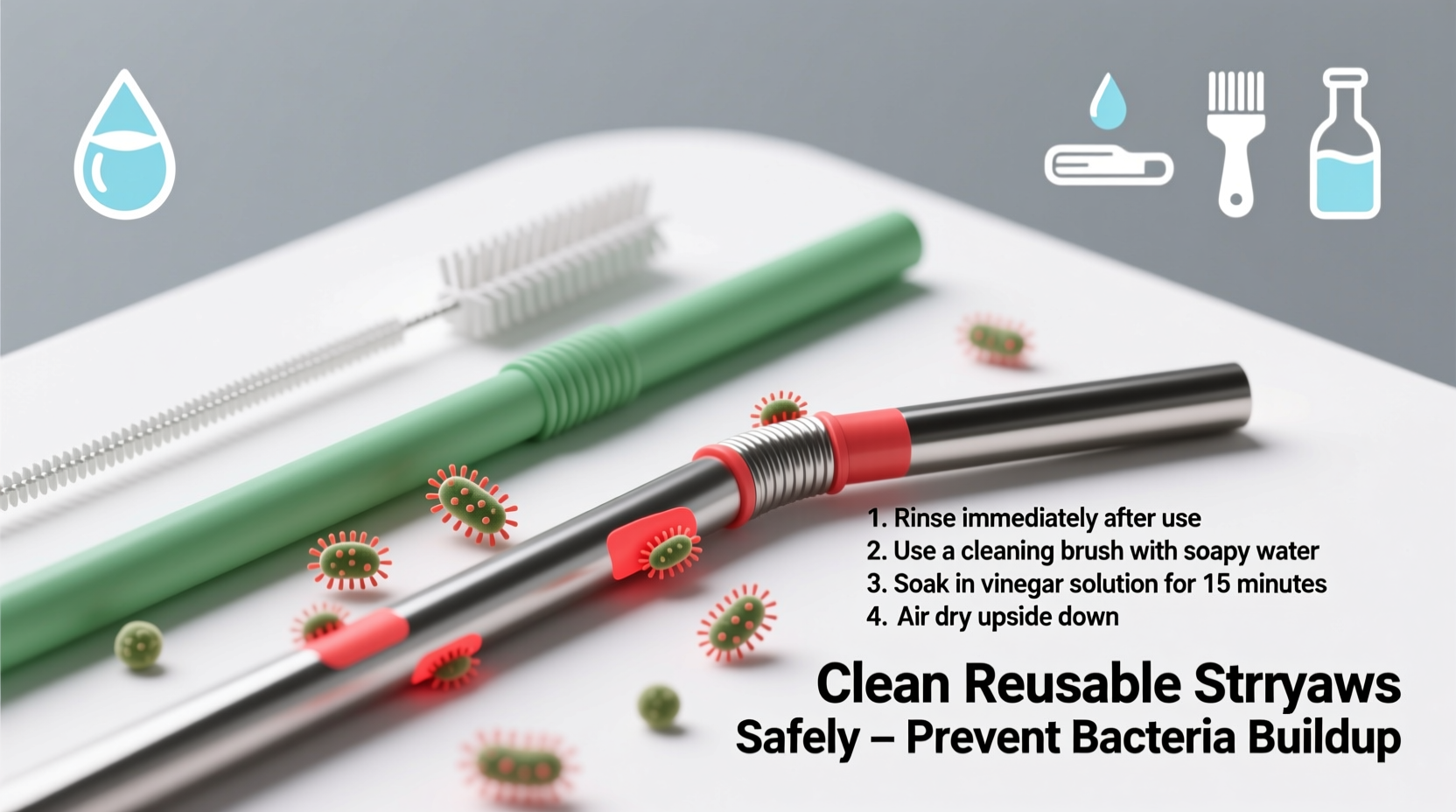
The narrow interior of a straw creates an ideal environment for microbial accumulation. When liquids pass through—especially sugary drinks like smoothies, juices, or milk-based beverages—residual sugars and proteins cling to the inner walls. Combined with moisture and body heat from frequent use, this residue becomes a nutrient-rich medium for bacteria such as Staphylococcus aureus, E. coli, and Pseudomonas aeruginosa. These microorganisms can multiply rapidly if not removed promptly.
Unlike flat surfaces, the tubular design of straws makes thorough cleaning difficult without specialized tools. Many users rinse them quickly or wipe the exterior, leaving the inside uncleaned. Over time, biofilm—a slimy layer formed by colonies of microbes—can develop, resisting regular washing and requiring more aggressive sanitation methods.
“Any object that comes into contact with saliva and isn’t cleaned properly can become a vector for bacterial transmission.” — Dr. Lena Patel, Microbiologist at the Institute for Environmental Health
Material Matters: How Straw Type Affects Cleanability and Risk
Different materials react differently to wear, cleaning agents, and microbial adhesion. Choosing the right type involves balancing environmental impact, durability, and ease of sanitization.
| Material | Bacteria Resistance | Cleaning Difficulty | Lifespan | Special Considerations |
|---|---|---|---|---|
| Stainless Steel | High | Medium | 5+ years | Durable and non-porous; requires brush cleaning |
| Glass | Very High | Medium-High | 2–4 years (if not dropped) | Non-reactive and transparent (easy to inspect), but fragile |
| Silicone | Moderate | Low-Medium | 1–3 years | Flexible and soft, but may retain odors and degrade over time |
| Bamboo | Low-Moderate | High | 6–12 months | Natural material prone to cracking and mold if not dried completely |
Stainless steel and glass rank highest in hygiene due to their non-porous nature, meaning microbes cannot penetrate the surface. Silicone, while flexible and child-friendly, has microscopic pores that can trap residues. Bamboo, though biodegradable, absorbs moisture and requires meticulous drying to prevent internal mold growth.
Step-by-Step Guide to Properly Clean Reusable Straws
Cleaning a reusable straw isn’t just about rinsing it with water. To eliminate bacteria effectively, follow this comprehensive routine after every use:
- Rinse Immediately After Use
Flush both ends with warm running water as soon as you finish drinking. This prevents sugars and proteins from drying and sticking to the inner walls. - Use a Dedicated Cleaning Brush
Select a long, narrow brush (typically included with straw sets) made of nylon or antibacterial bristles. Insert it fully into the straw and rotate while moving back and forth. Focus on both ends, where residue accumulates most. - Wash with Mild Soap
Apply a drop of dish soap to the brush or directly into the straw. Scrub the entire interior for at least 20 seconds. Avoid harsh detergents or bleach unless specified by the manufacturer, as they can degrade certain materials. - Rinse Thoroughly
Run hot water through both ends until no suds remain. Leftover soap can affect taste and irritate mucous membranes. - Sanitize Weekly (or More Frequently)
For deeper disinfection, choose one of the following:- Soak in a 1:10 white vinegar and water solution for 30 minutes.
- Boil stainless steel or glass straws for 5 minutes (not recommended for silicone or bamboo).
- Use effervescent denture tablets in warm water for 15–20 minutes—effective at breaking down biofilm.
- Dry Completely Before Storing
Place the straw upright on a clean towel or drying rack with airflow around it. Never store damp straws in closed containers or pouches, as trapped moisture encourages mold.
For travel, carry a small cleaning kit: a collapsible brush, a sealed container of diluted vinegar spray, and a breathable cloth bag. Clean within two hours of use when possible.
Common Cleaning Mistakes That Increase Contamination Risk
Even well-intentioned users make errors that compromise hygiene. Awareness of these pitfalls can significantly reduce bacterial exposure.
- Using the same brush for multiple straws without cleaning it – Brushes accumulate bacteria and must be rinsed and air-dried after each use.
- Skipping end-to-end scrubbing – Most brushes don’t reach full length if not inserted properly, leaving middle sections uncleaned.
- Storing straws in wet cases – Fabric or plastic sleeves trap humidity, creating a perfect environment for mold spores.
- Assuming dishwasher = sterile – While convenient, dishwashers don’t always sanitize. High heat helps, but narrow tubes may not get adequate water flow unless placed vertically in cutlery trays.
- Ignoring odor changes – A sour or musty smell indicates microbial growth, even if the straw looks clean.
“We tested 30 reusable straws from regular users and found detectable biofilm in 67% of them—most owners believed they were cleaning them adequately.” — Environmental Health Journal, 2023 Study
Mini Case Study: The Smoothie Lover’s Surprise Mold Discovery
Sarah, a 32-year-old nutritionist, prided herself on sustainable living. She used a silicone straw daily for her morning smoothie, rinsing it under tap water and storing it in a zippered pouch. After three months, she noticed a faint sour smell. Upon closer inspection with a flashlight, she spotted grayish swirls inside the tube—mold had formed along the inner seam.
She switched to a glass straw and adopted a new routine: immediate rinsing, daily brushing with soap, weekly vinegar soak, and storage in an open cup on her countertop. Within weeks, the odor disappeared, and her family reported better-tasting beverages. Sarah now shares her experience during wellness workshops, emphasizing that “eco-friendly” doesn’t mean “self-cleaning.”
Checklist: Safe Reusable Straw Maintenance Routine
- Rinse immediately after use
- Scrub interior with appropriate brush
- Wash with mild detergent
- Rinse thoroughly
- Air-dry completely before storing
- Sanitize via boiling, vinegar soak, or denture tablet
- Inspect for cracks, cloudiness, or discoloration
- Clean storage case or replace fabric pouch
- Replace cleaning brush (or sanitize deeply if reusable)
- Evaluate straw condition—retire if damaged
Frequently Asked Questions
Can I put my reusable straw in the dishwasher?
Yes, but only if the manufacturer specifies it’s dishwasher-safe. Place it in the silverware basket vertically to ensure water circulation. However, hand-washing with a brush is more reliable for removing internal residue. Dishwashers may miss hidden biofilm, especially in longer or curved straws.
How often should I replace my reusable straw?
Replace every 6 to 12 months with daily use, or sooner if you notice scratches, cloudiness, persistent odors, or difficulty cleaning. Deep grooves or etching create hiding spots for bacteria. Glass and steel last longer than silicone or bamboo.
Are antibacterial coatings on straws effective?
Some brands apply silver-ion or copper-infused coatings to inhibit microbial growth. While these can reduce surface bacteria, they do not eliminate the need for regular cleaning. Over time, coatings wear off, especially with abrasive brushes. Relying solely on antimicrobial features is risky.
Conclusion: Hygiene Is Part of Sustainability
Choosing reusable straws is a responsible step toward reducing plastic waste, but true sustainability includes maintaining hygiene. A poorly cleaned straw defeats its purpose by introducing health risks instead of eliminating environmental harm. By understanding how bacteria accumulate, selecting the right materials, and adopting a disciplined cleaning routine, you protect both your well-being and the planet.
The effort required is minimal compared to the benefits: safer drinking habits, cost savings over time, and reduced pollution. Make cleaning your straw as automatic as brushing your teeth. Inspect it, scrub it, dry it, and replace it when needed. Small actions, consistently applied, lead to lasting change.




 浙公网安备
33010002000092号
浙公网安备
33010002000092号 浙B2-20120091-4
Comments
No comments yet. Why don't you start the discussion?