
Feeling shaky and weak can be unsettling, especially when it happens unexpectedly. These symptoms are more than just fatigue—they may signal an underlying condition or temporary imbalance in your body. While occasional trembling or low energy is normal, persistent or severe episodes warrant attention. Understanding the root causes and knowing when to act can help you regain stability and confidence in your daily life.
Common Causes of Shakiness and Weakness
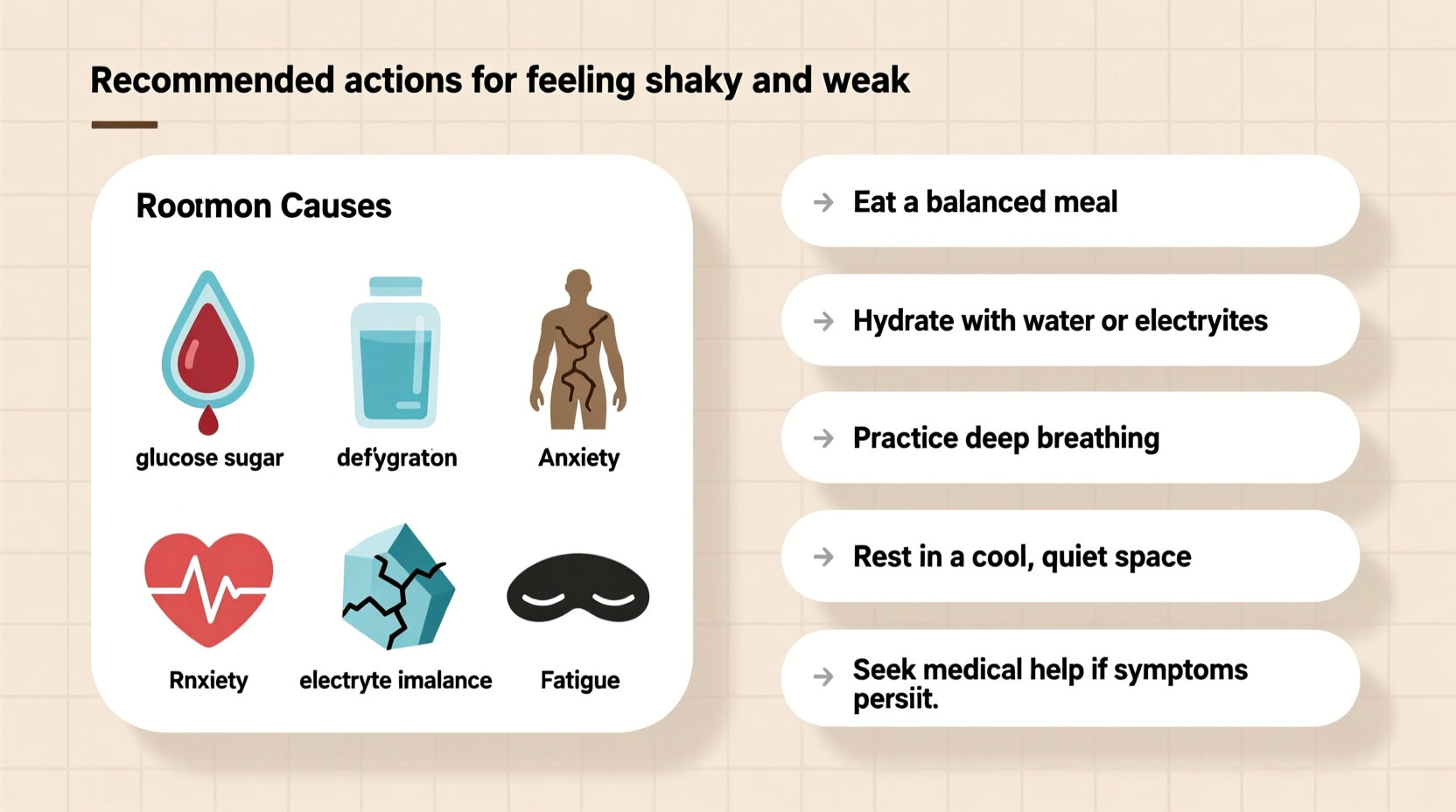
Shakiness (tremors) and weakness often go hand-in-hand and stem from disruptions in the nervous system, metabolism, or overall physical health. The causes range from benign and easily corrected to serious medical conditions requiring prompt care.
- Low blood sugar (hypoglycemia): One of the most frequent causes, especially among people with diabetes. Skipping meals or intense exercise without fueling properly can trigger shakiness, sweating, dizziness, and fatigue.
- Dehydration: Even mild dehydration affects muscle function and electrolyte balance, leading to weakness, lightheadedness, and tremors.
- Anxiety or panic attacks: Stress hormones like adrenaline cause rapid heartbeat, trembling hands, and a sense of physical weakness.
- Caffeine overconsumption: Too much coffee, energy drinks, or stimulants can induce jitteriness and muscle fatigue.
- Neurological conditions: Parkinson’s disease, multiple sclerosis, or essential tremor may present with chronic shaking and muscle weakness.
- Infections or fever: The body’s immune response during illness can drain energy and cause temporary tremors.
- Medication side effects: Certain antidepressants, asthma inhalers, or blood pressure drugs list tremors and weakness as potential side effects.
- Vitamin deficiencies: Low levels of B12, magnesium, or vitamin D impair nerve signaling and muscle strength.
When to Seek Medical Attention
Not every episode requires a doctor’s visit, but certain red flags indicate the need for evaluation. Ignoring these signs could delay treatment for serious conditions.
“Persistent tremors combined with unexplained weakness should never be dismissed. Early diagnosis of neurological or metabolic disorders significantly improves outcomes.” — Dr. Lena Patel, Neurologist at Boston General Hospital
Symptoms That Require Immediate Care
- Sudden onset of weakness on one side of the body (possible stroke)
- Confusion, slurred speech, or difficulty walking
- Chest pain or irregular heartbeat alongside shakiness
- Fever above 103°F (39.4°C) with severe weakness
- Tremors that worsen over weeks or interfere with daily tasks
Step-by-Step Guide: What to Do When You Feel Shaky and Weak
If you experience sudden or recurring episodes, follow this practical timeline to assess and respond appropriately.
- Pause and assess (0–5 minutes): Sit down safely. Note the time, your recent food intake, stress level, and any other symptoms like sweating or nausea.
- Check blood sugar if possible: Use a glucometer if available. Below 70 mg/dL indicates hypoglycemia.
- Rehydrate and refuel: Drink water and consume 15 grams of fast-acting carbohydrates (e.g., half a banana, fruit juice, glucose tablets).
- Rest for 10–15 minutes: Avoid standing or driving until symptoms subside.
- Log the episode: Record date, time, triggers, duration, and what helped. This journal aids doctors in diagnosis.
- Seek help if unresolved: If symptoms persist beyond 30 minutes or recur frequently, schedule a medical check-up.
Do’s and Don’ts: Managing Symptoms Effectively
| Do’s | Don’ts |
|---|---|
| Eat balanced meals every 3–4 hours to maintain energy | Skip meals or rely on sugary snacks for quick fixes |
| Drink plenty of water throughout the day | Consume excessive caffeine or alcohol |
| Practice deep breathing during anxiety-induced shakes | Ignore recurring symptoms hoping they’ll disappear |
| Get regular blood work to check for deficiencies | Self-diagnose based on internet searches alone |
| Exercise moderately to improve circulation and stamina | Push through extreme fatigue or tremors |
Real-Life Example: Maria’s Experience with Hypoglycemia
Maria, a 42-year-old teacher, began noticing she felt shaky and weak around 10:30 a.m., often needing to lean against her desk. At first, she blamed stress. But when she fainted briefly during parent-teacher conferences, she sought help. Her doctor ordered fasting glucose and HbA1c tests, revealing reactive hypoglycemia. With dietary changes—adding protein to breakfast and eating smaller, frequent meals—her symptoms resolved within two weeks. Keeping almonds and oat bars in her desk drawer became a simple but effective habit.
Prevention Checklist
Reducing the frequency of shakiness and weakness starts with consistent lifestyle habits. Use this checklist to build resilience:
- ✅ Eat protein-rich breakfasts (eggs, Greek yogurt, nuts)
- ✅ Stay hydrated—aim for at least 8 cups of water daily
- ✅ Limit caffeine to under 400 mg per day (about 2–3 cups of coffee)
- ✅ Manage stress with meditation, yoga, or walking
- ✅ Get blood tested annually for iron, B12, thyroid, and glucose levels
- ✅ Review medications with your doctor for possible side effects
- ✅ Prioritize 7–8 hours of quality sleep each night
Frequently Asked Questions
Can lack of sleep cause shakiness and weakness?
Yes. Chronic sleep deprivation disrupts nervous system regulation, lowers glucose tolerance, and impairs muscle recovery. After just one night of poor sleep, some people report hand tremors and reduced strength.
Is it normal to feel shaky after working out?
Mild shakiness post-exercise, especially after endurance training or fasted workouts, is common due to glycogen depletion and neuromuscular fatigue. However, prolonged or severe shaking warrants evaluation for overtraining or electrolyte imbalances.
Can anxiety mimic serious neurological issues?
Absolutely. Anxiety-induced tremors often affect the hands and voice and may be accompanied by rapid breathing and chest tightness. While not dangerous, they can be mistaken for Parkinson’s or seizures. A healthcare provider can differentiate using clinical history and testing.
Conclusion: Take Control of Your Body’s Signals
Shakiness and weakness are signals—not sentences. They reflect your body’s attempt to communicate imbalance, whether from skipped meals, emotional stress, or deeper health concerns. By responding with awareness, tracking patterns, and seeking professional guidance when needed, you empower yourself to restore strength and stability. Don’t dismiss recurring symptoms as “just aging” or “stress.” Small changes in diet, hydration, and routine can yield significant improvements. Listen closely to your body—it speaks for a reason.




 浙公网安备
33010002000092号
浙公网安备
33010002000092号 浙B2-20120091-4
Comments
No comments yet. Why don't you start the discussion?