
Bloating is one of the most common digestive complaints, affecting millions of people worldwide. It can result from a variety of causes—dietary habits, food intolerances, gut microbiome imbalances, or even stress. In recent years, celery juice has surged in popularity as a natural remedy for bloating, promoted heavily by wellness influencers and alternative health advocates. But does the science support the claims? Or is this another case of viral hype outpacing evidence?
This article takes an evidence-based approach to evaluate whether drinking celery juice truly reduces bloating. We’ll explore its nutritional composition, review clinical research, analyze proposed mechanisms, and compare it with other proven strategies for managing digestive discomfort.
Nutritional Profile of Celery Juice
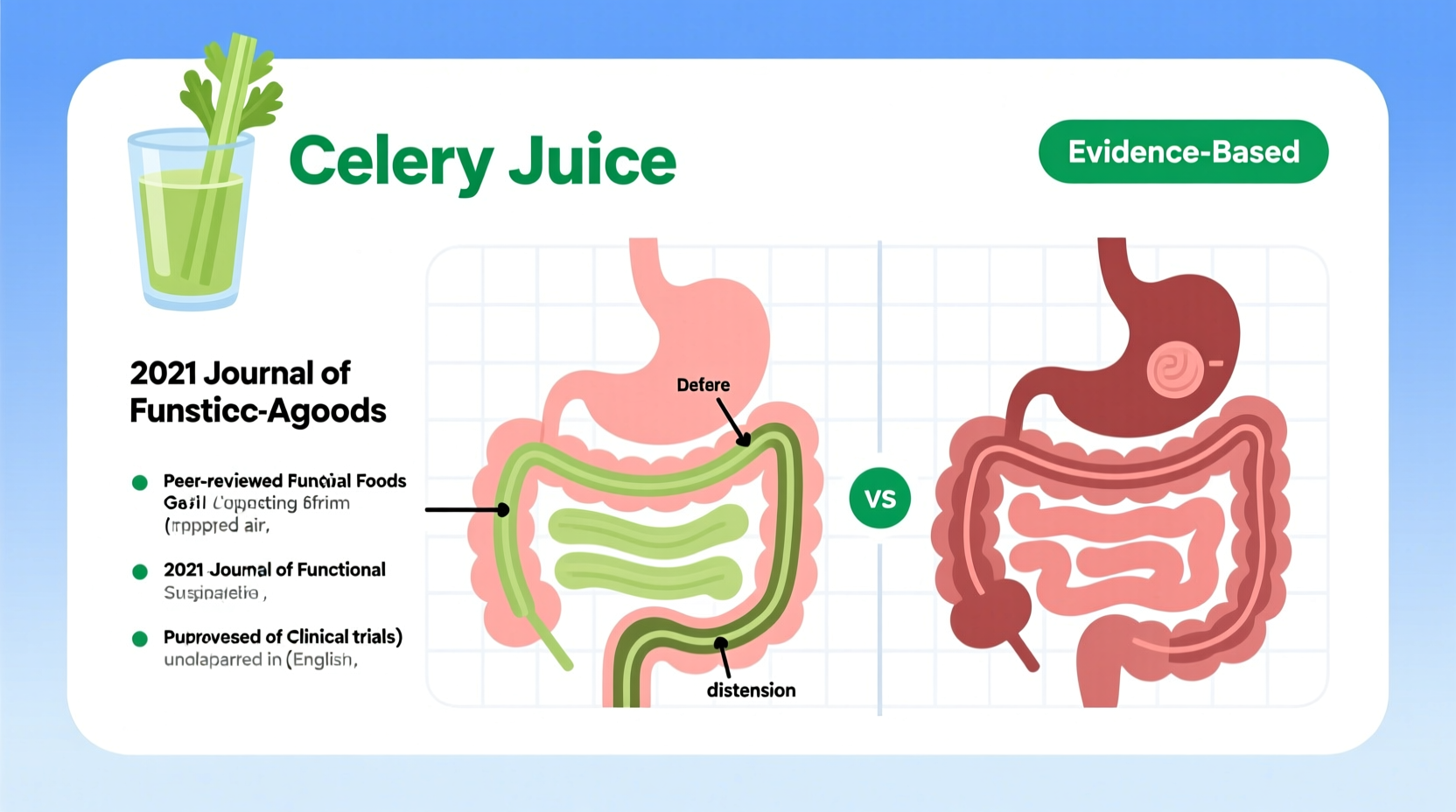
Celery is a low-calorie vegetable composed mostly of water (about 95%). One cup (240 ml) of fresh celery juice contains approximately:
- Calories: 40–50
- Carbohydrates: 9–10 g (including 2–3 g fiber)
- Sodium: 100–150 mg
- Potassium: 400–500 mg
- Vitamin K: 30–40 mcg (about 35% of daily value)
- Vitamin C: 5–7 mg
- Phytonutrients: Apigenin, luteolin, phthalides
The presence of these compounds—particularly phthalides and polyphenols—has led to speculation about celery’s anti-inflammatory and digestive benefits. However, juicing removes most of the insoluble fiber found in whole celery, which plays a crucial role in regular bowel movements and gut motility.
Proposed Mechanisms: How Could Celery Juice Reduce Bloating?
Proponents of celery juice claim it \"cleanses\" the liver, reduces inflammation, kills pathogens, and alkalizes the body—all said to contribute to reduced bloating. Let’s break down these claims based on current science.
1. Anti-Inflammatory Effects
Celery contains bioactive compounds like apigenin and luteolin, which have demonstrated anti-inflammatory properties in laboratory studies. A 2017 review published in Phytotherapy Research noted that apigenin inhibits pro-inflammatory cytokines such as TNF-α and IL-6, suggesting potential systemic anti-inflammatory activity.
However, these findings are primarily from cell cultures or animal models. Human trials are limited, and the concentration of these compounds in a typical 16-oz glass of celery juice may not be sufficient to produce measurable anti-inflammatory effects in the gut.
2. Diuretic Properties
Celery has long been considered a natural diuretic due to its high water and potassium content. Potassium helps regulate sodium balance, potentially reducing water retention—a contributor to temporary abdominal distension.
A small 2013 study in Journal of Medicinal Food found that celery seed extract increased urine output in rats, supporting its traditional use as a diuretic. While promising, no human clinical trials confirm this effect specifically from drinking celery juice.
“While celery contains compounds with theoretical benefits for digestion, there is currently no strong clinical evidence that juicing it provides superior results over eating the whole vegetable.” — Dr. Rebecca Nguyen, Gastroenterologist and Nutrition Researcher
3. Gut Microbiome Modulation
Some wellness sources claim celery juice “kills bad bacteria” and supports the growth of beneficial microbes. The idea stems from test-tube studies showing that celery extracts can inhibit certain pathogenic bacteria, including E. coli and H. pylori.
Yet, these antimicrobial effects were observed using concentrated celery seed or leaf extracts—not fresh juice consumed orally. Moreover, no human studies have shown that drinking celery juice alters gut flora in a way that reduces bloating.
Clinical Evidence: What Does the Research Say?
Despite widespread anecdotal reports, there is a striking lack of rigorous clinical research on celery juice and bloating.
A 2022 scoping review published in Nutrition Reviews analyzed all available literature on popular \"wellness juices,\" including celery juice. The authors concluded: “No randomized controlled trials exist evaluating the effects of celery juice on bloating, IBS symptoms, or general digestive health. Current recommendations are based on testimonials, not empirical data.”
Furthermore, many individuals who report reduced bloating after starting celery juice also make other lifestyle changes simultaneously—such as cutting processed foods, increasing water intake, or reducing alcohol—making it difficult to isolate celery juice as the active factor.
Placebo Effect and Lifestyle Co-Factors
The placebo effect is powerful in digestive health. A person who believes strongly in the healing power of celery juice may experience symptom relief simply due to expectation. Additionally, replacing sugary drinks or caffeine with plain celery juice eliminates common bloating triggers, which could explain perceived improvements.
In essence, any benefit may stem more from what celery juice replaces in the diet than from the juice itself.
Comparison With Proven Bloating Remedies
To put celery juice into perspective, it’s helpful to compare it with interventions backed by robust scientific evidence for reducing bloating.
| Intervention | Effectiveness for Bloating | Scientific Support |
|---|---|---|
| Celery Juice (daily 16 oz) | Anecdotal improvement reported; no clinical proof | Low – no RCTs |
| Low FODMAP Diet | Significant reduction in IBS-related bloating | High – multiple RCTs |
| Peppermint Oil Capsules | Reduces abdominal distension and gas | High – meta-analyses support efficacy |
| Probiotics (e.g., Bifidobacterium strains) | Moderate improvement in bloating | Moderate to high |
| Abdominal Massage & Movement | Helps relieve trapped gas | Moderate – supported by physiotherapy studies |
As shown, while celery juice remains unproven, other strategies have consistent evidence behind them. This doesn’t mean celery juice is harmful—but it should not replace evidence-based treatments, especially for chronic bloating.
Realistic Expectations: A Mini Case Study
Samantha, a 34-year-old office worker, struggled with daily bloating for over two years. After reading online testimonials, she started drinking 16 ounces of fresh celery juice every morning on an empty stomach.
Within two weeks, she noticed her abdomen felt less swollen. Encouraged, she continued for three months. However, upon reflection, she realized she had also stopped drinking soda, reduced her coffee intake, and started walking 20 minutes daily during lunch breaks.
When she temporarily discontinued the juice but maintained the other changes, her bloating remained improved. When she reintroduced soda, symptoms returned—even with celery juice. This suggests that dietary and lifestyle shifts—not the juice alone—were likely responsible for her relief.
Samantha’s experience mirrors many others: positive outcomes attributed to celery juice may actually reflect broader healthy behavior changes.
Practical Guidelines: If You Want to Try Celery Juice
If you’re curious about celery juice and want to try it safely, here’s a step-by-step guide based on best practices for digestive experimentation.
- Start gradually: Begin with 4–8 oz per day to assess tolerance. Some people report increased gas initially due to phytonutrient load.
- Use organic celery: Conventionally grown celery ranks high on the Environmental Working Group’s “Dirty Dozen” list for pesticide residue.
- Drink it fresh: Prepare immediately before consumption. Oxidation reduces nutrient potency within hours.
- Monitor symptoms: Keep a journal tracking bloating, bowel movements, energy, and any side effects.
- Don’t fast: There’s no evidence that drinking celery juice on an empty stomach enhances benefits. Pair it with a balanced breakfast if needed.
- Reevaluate after 4 weeks: If no improvement, discontinue and consider evidence-based alternatives.
Common Misconceptions About Celery Juice
Several myths persist around celery juice that deserve clarification:
- Myth: It detoxifies the liver.
Reality: The liver naturally detoxifies the body. No food or juice can “cleanse” it beyond its normal function. - Myth: It alkalizes the body and prevents disease.
Reality: The body tightly regulates pH; diet cannot meaningfully alter blood or organ pH. - Myth: It cures autoimmune conditions.
Reality: No credible evidence supports this claim. Such assertions are not only misleading but potentially dangerous if they delay medical treatment.
Frequently Asked Questions
Can celery juice cause bloating?
Yes, for some individuals. Despite being promoted to reduce bloating, celery contains mannitol—a natural sugar alcohol that can ferment in the gut and produce gas, especially in people with sensitive digestion or IBS. If bloating worsens after starting celery juice, consider discontinuing it.
How much celery juice should I drink for bloating?
There is no established effective dose. Wellness influencers often recommend 16 oz daily, but this lacks scientific backing. Starting with 4–8 oz is safer and allows you to monitor your body’s response.
Is store-bought celery juice as effective as fresh?
Unlikely. Commercial juices are often pasteurized, which degrades heat-sensitive nutrients and antioxidants. They may also contain added sodium or preservatives that counteract potential benefits. Fresh, unpasteurized juice is preferable—if consumed immediately.
Action Plan: A Balanced Approach to Reducing Bloating
If your goal is lasting relief from bloating, consider this checklist grounded in medical research:
- ✅ Identify food triggers:
- Common culprits include dairy (lactose), onions, garlic, beans, carbonated drinks, and artificial sweeteners.
- ✅ Try a low FODMAP diet (under guidance):
- Eliminate high-fermentable carbs for 4–6 weeks, then reintroduce systematically.
- ✅ Stay hydrated:
- Dehydration can slow digestion and increase gas buildup.
- ✅ Move regularly:
- Even light walking stimulates intestinal motility and helps expel gas.
- ✅ Consider probiotics:
- Strains like Bifidobacterium infantis and Lactobacillus acidophilus have shown benefit in clinical trials.
- ✅ Manage stress:
- The gut-brain axis means anxiety can exacerbate bloating. Mindfulness, breathing exercises, or therapy may help.
- ✅ Use celery juice as an experiment—not a cure:
- Treat it as one variable in a larger digestive health strategy, not a standalone solution.
Final Thoughts: Separating Hype From Help
Celery juice is not a miracle cure for bloating. While it contains compounds with theoretical digestive benefits, there is currently no direct clinical evidence proving it reduces bloating more effectively than other hydration or dietary strategies.
That said, replacing sugary beverages with nutrient-rich vegetable juice can be a positive shift. For some, celery juice may offer mild symptomatic relief—possibly due to hydration, reduced intake of irritants, or placebo-driven improvement.
The key is approaching it with realistic expectations and avoiding the trap of viewing it as a panacea. Digestive health is complex and highly individual. What works for one person may not work for another.
Rather than chasing trends, focus on foundational habits: eat whole foods, stay active, manage stress, and consult a healthcare provider if bloating persists or is accompanied by pain, weight loss, or changes in bowel habits.




 浙公网安备
33010002000092号
浙公网安备
33010002000092号 浙B2-20120091-4
Comments
No comments yet. Why don't you start the discussion?