
Dry shampoo has become a staple in many people’s grooming routines—especially for those with busy lifestyles or fine, oily hair that flattens quickly. It’s convenient, fast, and gives the illusion of freshly washed hair in seconds. But behind its quick-fix appeal lies a growing concern: Does dry shampoo cause buildup? And if so, how often should you really be using it without damaging your scalp or hair? The answer isn’t as simple as “once a week” or “only when necessary.” Understanding the science behind dry shampoo, how it interacts with your scalp, and the long-term effects of overuse is essential to maintaining healthy hair.
How Dry Shampoo Works
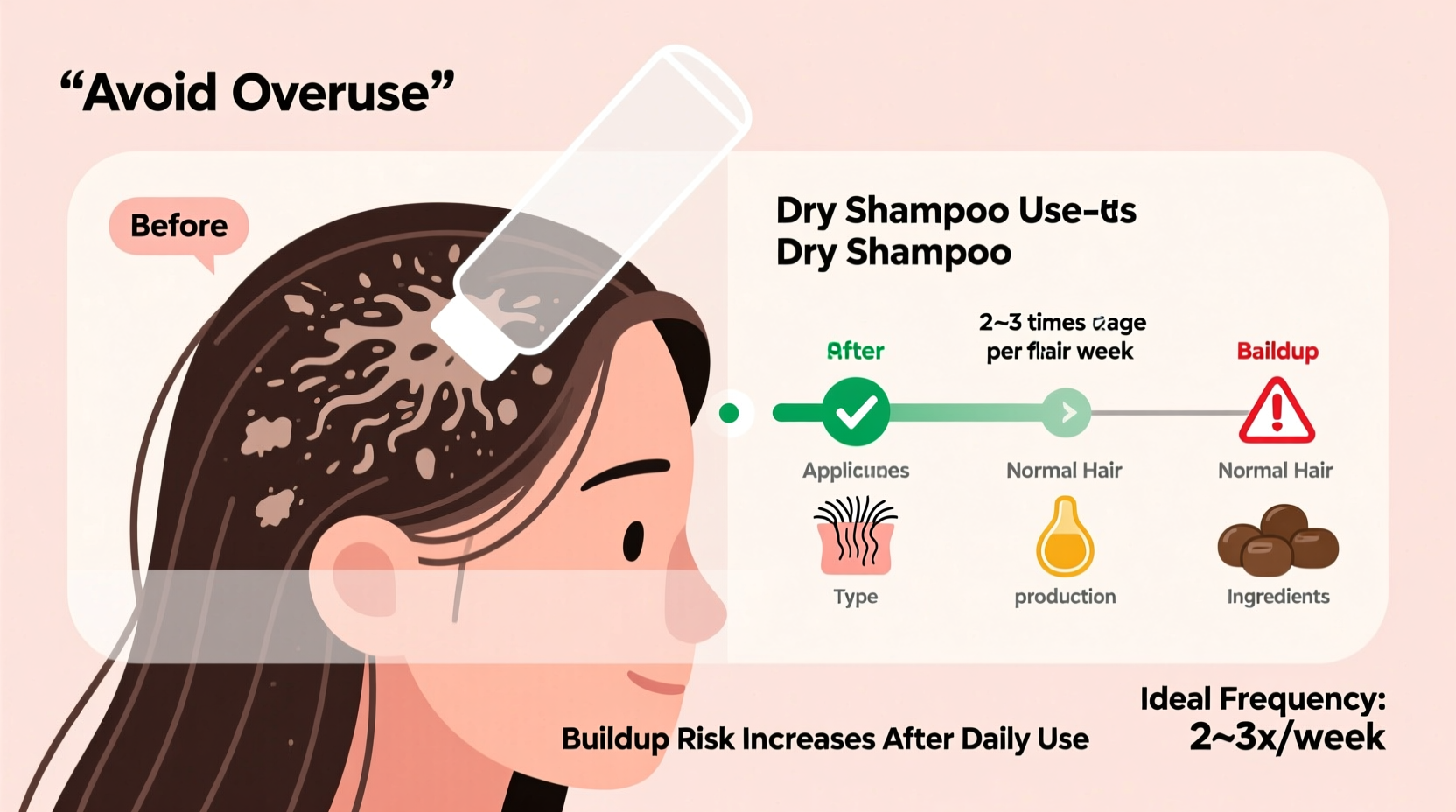
Dry shampoo typically comes in aerosol or powder form and contains absorbent ingredients like starch, silica, or alcohol. These components work by soaking up excess sebum (natural oils) from the scalp and hair strands, giving hair volume and a cleaner appearance without water. While this sounds ideal, the mechanism also means that residue is left behind on both the scalp and hair shafts.
Unlike traditional shampoos that rinse away oil and impurities, dry shampoo traps them temporarily. Over time, repeated applications without proper cleansing can lead to a layer of product accumulation. This residue may mix with dead skin cells, environmental pollutants, and natural oils, forming what dermatologists refer to as \"scalp buildup.\"
“Dry shampoo is a temporary solution, not a replacement for cleansing. Regular use without washing can compromise scalp health.” — Dr. Nina Patel, Board-Certified Dermatologist
The Science Behind Buildup and Scalp Health
Your scalp is an extension of your skin, complete with pores, hair follicles, and oil glands. Just like facial skin, it needs regular exfoliation and deep cleaning to function properly. When dry shampoo accumulates, it can clog hair follicles, disrupt the scalp’s pH balance, and even trigger inflammation.
Common signs of buildup include:
- Itchy or flaky scalp resembling dandruff
- Greasy roots despite frequent dry shampoo use
- Thinning hair or reduced volume over time
- White or grayish residue visible at the roots
- Foul odor emanating from the scalp
A 2021 study published in the *International Journal of Trichology* found that participants who used dry shampoo more than three times per week without regular washing showed significantly higher rates of folliculitis and scalp irritation compared to those who limited use and maintained a consistent wash routine.
How Often Should You Use Dry Shampoo?
There’s no universal rule, but experts generally agree that dry shampoo should be used sparingly—no more than two to three times between washes. For most people, that translates to using it once or twice a week, depending on hair type and lifestyle.
Here’s a breakdown based on hair type:
| Hair Type | Recommended Dry Shampoo Use | Risks of Overuse |
|---|---|---|
| Fine or Oily Hair | 1–2 times per week max | Buildup, flatness, increased oil production |
| Thick or Coarse Hair | Once every 7–10 days | Residue trapping dirt, dullness |
| Curly or Textured Hair | Once every 5–7 days (spot use only) | Disruption of curl pattern, dryness |
| Color-Treated or Chemically Processed | Limited use; avoid heavy formulas | Fade acceleration, scalp sensitivity |
Overusing dry shampoo can trick your scalp into producing more oil. When you repeatedly absorb sebum without washing, your body may respond by increasing oil production to compensate, creating a cycle of dependency. This phenomenon, known as “rebound oiliness,” makes hair appear greasier faster, prompting even more dry shampoo use.
Real-Life Example: Sarah’s Scalp Struggles
Sarah, a 29-year-old marketing executive, relied on dry shampoo five days a week to save time during her morning routine. She skipped regular washes for up to five days, believing the product kept her hair clean. After several months, she began experiencing intense scalp itching and noticed small red bumps near her hairline. A visit to a dermatologist revealed mild folliculitis caused by product buildup and bacterial growth trapped under layers of dry shampoo residue. After switching to a weekly clarifying shampoo and limiting dry shampoo to once a week, her symptoms resolved within four weeks.
Preventing Buildup: Best Practices
You don’t need to eliminate dry shampoo entirely—just use it wisely. Follow these steps to minimize the risk of buildup while still enjoying its convenience.
Step-by-Step Guide to Safer Dry Shampoo Use
- Shake the can well before each use to ensure even distribution of active ingredients.
- Section your hair and spray directly at the roots, holding the can 6–8 inches away.
- Focus on oily areas like the crown and part line, avoiding excessive application near the ends.
- Wait 30 seconds for the product to absorb, then massage thoroughly with fingertips.
- Brush or comb through to distribute the product and remove excess powder.
- Wash your hair regularly—at least every 3 to 4 days—to prevent long-term residue accumulation.
- Use a clarifying shampoo once a week to deep-clean the scalp and remove stubborn buildup.
Choosing the Right Formula
Not all dry shampoos are created equal. Some contain high levels of alcohol or synthetic fragrances that can irritate sensitive scalps. Look for formulas labeled “non-aerosol,” “low-residue,” or “scalp-safe.” Ingredients like rice starch, oat flour, or kaolin clay tend to be gentler and less likely to clog pores.
If you have color-treated hair, opt for tinted dry shampoos that match your hair color to avoid white cast. For curly or textured hair, consider powder-to-foam hybrids or root-refreshing sprays that add volume without drying out curls.
When to Skip Dry Shampoo
Certain situations call for skipping dry shampoo altogether and opting for a real wash:
- After sweating heavily (e.g., post-workout or hot weather)
- Before coloring or chemically treating your hair
- If you’ve used heavy styling products (gels, waxes, pomades)
- When traveling in polluted or dusty environments
- Prior to swimming or sun exposure
In these cases, water-based cleansing is non-negotiable. Sweat and pollution mix with dry shampoo residue to create a breeding ground for bacteria, potentially leading to scalp infections or breakouts along the hairline.
Checklist: Healthy Dry Shampoo Habits
- ☑ Use dry shampoo no more than 2–3 times per week
- ☑ Wash hair with regular shampoo at least every 3–4 days
- ☑ Incorporate a clarifying shampoo once a week
- ☑ Massage scalp thoroughly after application
- ☑ Avoid spraying too close to the scalp to reduce inhalation risk
- ☑ Monitor for signs of irritation or flaking
- ☑ Replace old cans (expired dry shampoo may lose effectiveness)
“Think of dry shampoo like touch-up makeup—it’s great for emergencies, but it shouldn’t replace your skincare routine.” — Lisa Monahan, Celebrity Hairstylist and Educator
Frequently Asked Questions
Can dry shampoo cause hair loss?
Directly, dry shampoo does not cause hair loss. However, prolonged buildup can lead to inflamed follicles, restricted blood flow, and weakened hair roots, which may contribute to shedding over time. In severe cases, untreated folliculitis can result in scarring alopecia.
Is it safe to sleep with dry shampoo in your hair?
While occasional overnight use is unlikely to cause harm, making it a habit increases the chance of transfer to pillowcases and prolonged contact with the scalp, which can trap dirt and bacteria. It’s best to wash it out before bed or limit nighttime wear.
Can I use dry shampoo on colored hair?
Yes, but choose a formula designed for color-treated hair. Some dry shampoos contain UV filters or antioxidants that protect dye molecules. Avoid heavy powders that can leave a chalky residue, and always apply sparingly to prevent dullness.
Conclusion: Balance Is Key
Dry shampoo is a powerful tool when used correctly—but it’s not a substitute for proper hair hygiene. Buildup is a real concern, especially for frequent users who skip regular washes. The key is moderation: treat dry shampoo as an emergency refresh, not a daily crutch. By understanding your hair type, monitoring your scalp’s response, and incorporating deep-cleansing practices, you can enjoy the benefits without sacrificing long-term health.
Healthy hair isn’t just about appearance—it starts with a clean, balanced scalp. Reassess your current routine, listen to your body’s signals, and make adjustments where needed. Your hair will thank you with more volume, shine, and resilience over time.




 浙公网安备
33010002000092号
浙公网安备
33010002000092号 浙B2-20120091-4
Comments
No comments yet. Why don't you start the discussion?