
Dry shampoo has become a staple in modern grooming routines, praised for its convenience and ability to refresh hair between washes. Whether you're rushing out the door, recovering from a workout, or simply trying to extend the life of a blowout, a quick spray can work wonders. But as usage increases—sometimes daily—questions arise about long-term effects on scalp health. Can overreliance on dry shampoo lead to irritation, buildup, or even hair loss? More importantly, how can you use it safely without sacrificing the integrity of your scalp and strands?
The answer isn’t a simple yes or no. Dry shampoo itself isn't inherently harmful, but frequent or improper use can create conditions that compromise scalp health. Understanding the ingredients, application methods, and biological responses involved is key to using this product responsibly.
How Dry Shampoo Works: The Science Behind the Spray
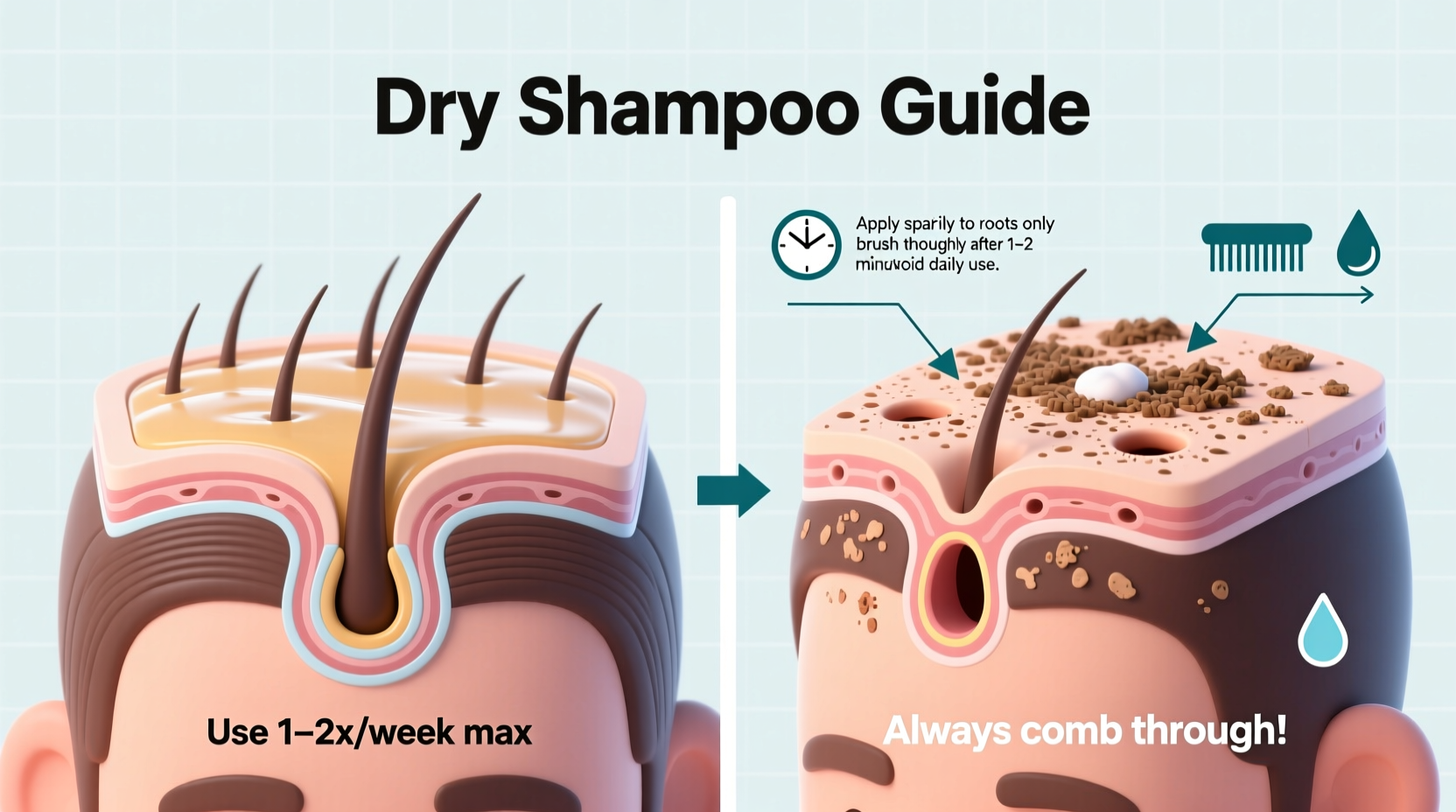
Dry shampoo functions by absorbing excess sebum (natural oils) from the scalp and hair shafts. Unlike traditional shampoos that rely on water and surfactants to lift dirt and oil, dry formulas typically contain alcohol-based propellants and absorbent powders such as rice starch, cornstarch, silica, or kaolin clay. These ingredients cling to oil molecules, making hair appear cleaner and less greasy.
When sprayed at the roots and massaged in, dry shampoo gives an immediate volumizing effect and masks odor—making it ideal for time-crunched days. However, because it doesn’t actually cleanse the scalp, residue accumulates over time. This buildup can clog hair follicles, disrupt natural oil production, and alter the scalp’s microbiome if not properly managed.
“Dry shampoo is a cosmetic solution, not a replacement for cleansing. Overuse can suffocate the scalp.” — Dr. Nina Patel, Board-Certified Dermatologist
Potential Risks of Frequent Dry Shampoo Use
While occasional use is generally safe, habitual reliance on dry shampoo introduces several risks:
- Follicle Clogging: Powder and propellant residues can accumulate around hair follicles, leading to folliculitis—an inflammation that may cause itching, redness, or small pimples on the scalp.
- Disrupted Scalp pH: The scalp maintains a slightly acidic pH (around 4.5–5.5) to protect against bacteria and fungi. Some dry shampoos contain alkaline ingredients that can disrupt this balance, increasing susceptibility to dandruff or infections.
- Increased Oil Production: Ironically, overusing dry shampoo can signal the scalp to produce more oil. When the scalp senses excessive dryness (from alcohol-based sprays), it compensates by ramping up sebum output—a cycle known as rebound greasiness.
- Buildup and Dullness: Repeated applications without thorough washing leave behind invisible layers of product, dulling hair color and reducing volume over time.
- Hair Breakage: Inadequately distributed product can stiffen hair shafts, especially near the roots, increasing brittleness and risk of breakage during brushing.
Safe Usage Guidelines: How to Use Dry Shampoo Without Harming Your Scalp
You don’t need to eliminate dry shampoo entirely—just use it wisely. Think of it as a temporary aid, not a permanent substitute for shampooing. Follow these evidence-backed practices to minimize harm:
- Lift Hair Sections Before Spraying: Part your hair into sections to ensure the product reaches the scalp directly, rather than coating only the top layer of hair.
- Spray 6–8 Inches Away: Holding the can too close causes oversaturation, which leads to white residue and uneven distribution.
- Let It Sit for 30 Seconds: Allow time for the absorbents to bind with oil before massaging in.
- Massage Thoroughly: Use fingertips (not nails) to work the product into the scalp. This helps distribute it evenly and stimulates blood flow.
- Brush Out Completely: Use a boar bristle brush to remove excess powder and prevent accumulation.
- Limit Use to 2–3 Times Weekly: Never go more than two days without washing if relying on dry shampoo. Aim for no more than three consecutive uses.
- Wash Hair Regularly: Schedule a full shampoo session at least twice a week, especially if using dry shampoo frequently. Consider a clarifying shampoo once every 7–10 days to dissolve buildup.
Choosing the Right Formula for Your Scalp Type
Not all dry shampoos are created equal. Selecting one tailored to your scalp condition reduces the risk of adverse reactions:
| Scalp Type | Recommended Ingredients | Avoid |
|---|---|---|
| Oily | Rice starch, silica, witch hazel | Heavy oils, silicones |
| Dry/Flaky | Oat flour, aloe vera, low-alcohol base | High-concentration ethanol, fragrance |
| Sensitive | Arrowroot powder, fragrance-free, hypoallergenic | Parabens, sulfates, synthetic dyes |
| Color-Treated Hair | Clear or tinted formulas with UV filters | White powders that leave visible residue |
Real-Life Scenario: A Cautionary Tale of Overuse
Meet Sarah, a 32-year-old marketing executive with fine, wavy hair. Her schedule often left little time for morning showers, so she began using dry shampoo daily—sometimes twice a day—to maintain volume and freshness. After six months, she noticed persistent itching, flaking, and thinning along her part line.
She visited a trichologist who diagnosed her with contact dermatitis and early-stage traction alopecia due to chronic follicle stress from product buildup and aggressive brushing to remove residue. Upon switching to bi-weekly dry shampoo use and incorporating weekly clarifying washes, her symptoms improved within eight weeks. Hair shedding decreased, and her scalp regained its healthy texture.
Sarah’s case illustrates how convenience can come at a cost when boundaries aren’t set. Her experience is increasingly common among professionals relying on quick fixes for busy lifestyles.
Expert Insights: What Dermatologists Recommend
Board-certified dermatologists consistently emphasize moderation and proper hygiene when it comes to dry shampoo:
“Patients often don’t realize they’re skipping actual cleansing. Dry shampoo buys time, but it doesn’t remove sweat, dead skin cells, or environmental pollutants.” — Dr. Alicia Mendez, Hair & Scalp Specialist
Dr. Mendez recommends a “reset routine” for chronic users: discontinue dry shampoo for one week, wash the scalp every other day with a gentle clarifying shampoo, and reintroduce dry shampoo only after confirming no residual sensitivity.
Additionally, experts warn against using dry shampoo immediately after dyeing or chemically treating hair. The porous state of freshly treated hair increases absorption of alcohol and propellants, raising the risk of irritation.
Step-by-Step Guide to a Safe Dry Shampoo Routine
To enjoy the benefits while minimizing risks, follow this structured approach:
- Day 1 – Normal Wash: Cleanse hair with sulfate-free shampoo and conditioner. Dry thoroughly.
- Day 2 – First Dry Shampoo Use: Apply to roots in sections. Massage and brush out. Avoid reapplication later in the day.
- Day 3 – Optional Touch-Up: Use sparingly only at the crown or part lines where oil appears first.
- Day 4 – Mandatory Wash: Perform a full shampoo, ideally with a clarifying formula. Rinse thoroughly to remove any lingering residue.
- Repeat Cycle: Resume dry shampoo only after hair is completely clean and dry.
This four-day rhythm prevents prolonged exposure and allows the scalp to reset. For those with oily scalps, consider a lightweight scalp serum post-wash to regulate sebum without heaviness.
FAQ: Common Questions About Dry Shampoo Safety
Can dry shampoo cause hair loss?
Directly, no—but prolonged follicle blockage and scalp inflammation from buildup can contribute to temporary shedding or hinder new growth. Once the scalp environment improves, most hair regrows naturally.
Is it safe to sleep with dry shampoo in your hair?
It's not recommended. Leaving product overnight increases the chance of transferring residue to pillowcases and rubbing into the face, potentially causing breakouts. It also prolongs scalp exposure to drying agents.
Are natural or organic dry shampoos safer?
They can be, but not always. While plant-based starches like arrowroot are gentler than synthetic absorbents, some \"natural\" brands still include essential oils or fragrances that irritate sensitive skin. Always patch-test new products behind the ear before full application.
Checklist: Using Dry Shampoo Safely
- ☐ Limit use to 2–3 times per week maximum
- ☐ Choose a formula suited to your scalp type
- ☐ Apply only to dry hair and roots
- ☐ Massage thoroughly and brush out completely
- ☐ Perform a clarifying wash every 5–7 days
- ☐ Monitor for signs of irritation (itching, redness, flaking)
- ☐ Replace old cans—dry shampoo expires after 12–18 months
Conclusion: Balance Convenience With Care
Dry shampoo is a valuable tool when used appropriately, but treating it as a long-term replacement for washing undermines scalp health. The goal should be preservation—not elimination—of your grooming routine’s efficiency. By understanding the limitations of dry shampoo and committing to regular cleansing, you protect both your hair and scalp from avoidable damage.
Start today by auditing your current usage. Are you exceeding three applications per week? Is your scalp showing signs of distress? Make small adjustments: swap in a clarifying shampoo, reduce frequency, or try a gentler formula. Small changes yield lasting results.




 浙公网安备
33010002000092号
浙公网安备
33010002000092号 浙B2-20120091-4
Comments
No comments yet. Why don't you start the discussion?