
Facial rollers have become a staple in skincare routines across the globe, with influencers and dermatologists alike touting their benefits. From jade to rose quartz, these handheld tools promise everything from depuffing to improved product absorption. But beyond the soothing sensation and Instagram-worthy glow, does facial rolling truly reduce facial puffiness—or is it primarily a placebo effect wrapped in aesthetic appeal?
The answer lies somewhere between physiology and psychology. While facial rolling isn’t a miracle cure, emerging evidence and clinical insights suggest it can offer measurable benefits when used correctly and consistently. This article examines the mechanisms behind facial puffiness, how rolling affects circulation and lymphatic drainage, and what you can realistically expect from regular use.
The Science Behind Facial Puffiness
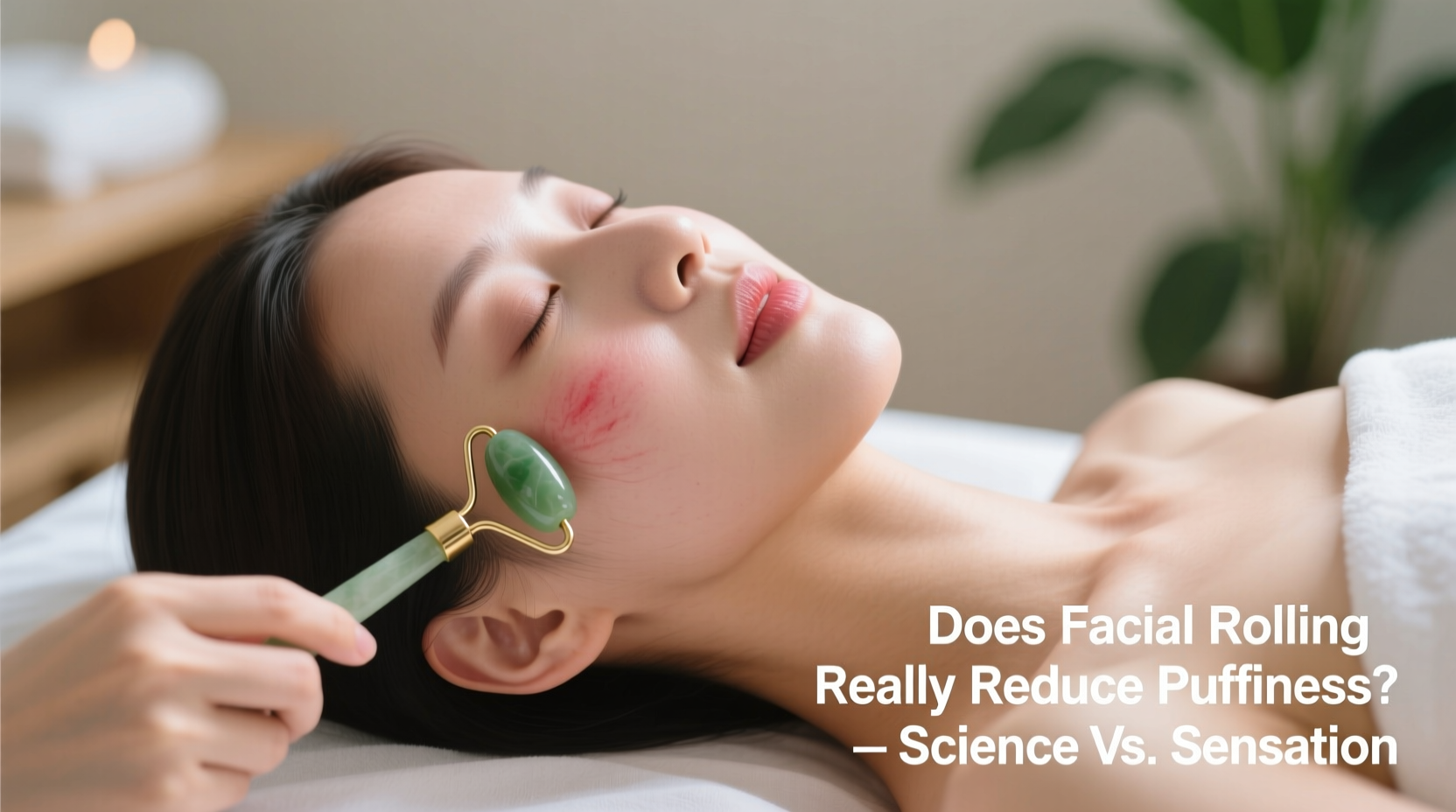
Puffiness, particularly around the eyes and cheeks, is often caused by fluid retention. Unlike swelling due to injury or allergy, this mild edema is typically temporary and influenced by lifestyle factors such as sleep quality, sodium intake, hydration levels, and hormonal fluctuations.
The face contains a network of lymphatic vessels that help drain excess fluid and waste from tissues. When this system slows—due to poor circulation, lack of movement, or disrupted sleep—fluid accumulates, leading to a puffy appearance. Morning puffiness is common because lying flat during sleep reduces gravitational assistance in fluid drainage.
Enter facial rolling: a mechanical technique designed to stimulate circulation and encourage lymphatic flow. By applying gentle pressure and directional strokes, users aim to “push” stagnant fluid toward lymph nodes located near the ears, jawline, and neck, where it can be filtered and removed from the system.
“Manual lymphatic drainage techniques, including facial massage and tool-assisted rolling, can support natural detoxification processes in the skin. It’s not magic—it’s biomechanics.” — Dr. Nina Rodriguez, Board-Certified Dermatologist
How Facial Rolling Works: Mechanisms and Evidence
Facial rollers operate on principles similar to manual lymphatic drainage (MLD), a medically recognized therapy used post-surgery or for lymphedema management. Though facial rolling is far less intense than clinical MLD, the underlying concept remains relevant: gentle, rhythmic pressure applied in specific directions may enhance lymphatic movement.
A 2020 study published in *Clinical, Cosmetic and Investigational Dermatology* found that participants who performed self-administered facial massage for 5 minutes daily over 4 weeks reported visible reductions in under-eye puffiness and improved skin firmness. While the study didn’t isolate rolling tools specifically, it supports the broader efficacy of tactile stimulation for depuffing.
Additionally, infrared thermography studies show increased blood flow to the skin immediately after facial massage or rolling. Enhanced circulation delivers more oxygen and nutrients while removing metabolic waste—contributing to a brighter, tighter appearance.
However, it’s important to distinguish between short-term cosmetic improvements and long-term structural changes. Rolling won’t eliminate fat pads or correct genetic predispositions to puffiness. Instead, its effects are transient but repeatable: think of it as a non-invasive “reset” button for morning bloating or post-indulgence swelling.
What Facial Rolling Can (and Can’t) Do
To set realistic expectations, it’s essential to understand both the capabilities and limitations of facial rolling.
| Benefits (Supported by Evidence & Expert Consensus) | Limited or Unproven Claims |
|---|---|
| Reduces temporary puffiness: Especially effective in the morning or after high-sodium meals. | Eradicates wrinkles: Rolling may improve skin texture temporarily but doesn’t replace retinoids or fillers. |
| Improves product absorption: Gentle massage helps serums and moisturizers penetrate deeper. | Lifts sagging skin permanently: No evidence that rolling tightens loose connective tissue. |
| Enhances circulation: Leads to a healthy glow and supports skin repair. | Detoxifies the body: “Detox” is a misused term; the liver and kidneys handle systemic detoxification. |
| Soothes tension: Can relieve clenching-related tightness in jaw and forehead. | Melts facial fat: Subcutaneous fat isn’t affected by surface-level rolling. |
The key takeaway? Facial rolling works best as part of a holistic approach—not a standalone solution. Pair it with adequate hydration, low-sodium nutrition, proper sleep, and consistent skincare for optimal results.
Step-by-Step Guide to Effective Facial Rolling
Technique matters. Haphazard rolling can stretch delicate skin or push fluid the wrong way. Follow this dermatologist-approved sequence for safe, effective depuffing:
- Cleanse and prep: Start with a clean face. Apply a facial oil or serum to reduce friction.
- Begin at the center: Use the smaller end of the roller under the eyes, moving outward toward the temples. Use light pressure—your skin should not turn red.
- Move upward along cheeks: Starting from the nose, roll up toward the cheekbones, then out to the hairline.
- Target the jawline: Place the roller at the chin and glide downward along the jaw, directing fluid toward the lymph nodes below the ears.
- Neck and collarbones: Don’t skip this step. Roll vertically down the neck and horizontally above the collarbones to open drainage pathways.
- Repeat 3–5 times per zone: Spend no more than 5–7 minutes total.
- Sanitize after use: Wipe the roller with a soft cloth dampened with soapy water, then dry thoroughly.
For best results, perform this routine every morning—especially if you wake up puffy. Evening rolling is also beneficial but avoid excessive pressure before bed, which could irritate sensitive skin.
Real Results: A Mini Case Study
Sophia, a 34-year-old graphic designer in Seattle, struggled with chronic morning puffiness exacerbated by late-night screen time and occasional wine consumption. Despite using eye creams and cold spoons, she found temporary relief at best.
After reading about lymphatic drainage, she invested in a chilled jade roller and committed to a 6-minute morning routine for four weeks. She combined rolling with reduced evening salt intake and elevating her head slightly while sleeping.
By week three, Sophia noticed her under-eye area appeared flatter and more defined. Her colleagues commented on her “well-rested look,” even on days when she’d slept poorly. A side-by-side photo comparison showed subtle but consistent improvement in cheek contour definition.
While she acknowledges the ritualistic comfort of rolling, Sophia credits the physical mechanics—particularly the neck and jawline strokes—for making the biggest difference. “It’s not just about feeling pampered,” she says. “I can actually see the fluid moving and draining.”
Choosing the Right Roller and Avoiding Common Mistakes
Not all rollers are created equal. Material, shape, and maintenance play crucial roles in effectiveness and safety.
- Material: Jade is traditional and retains coolness well; rose quartz is denser and stays colder longer. Stainless steel rollers offer stronger cooling and are easier to sanitize.
- Size: Smaller rollers allow precision around eyes and nose; larger ones cover cheeks and forehead efficiently.
- Design: Look for smooth, seamless stones with sturdy handles. Avoid cheap models with rough edges that can scratch skin.
Common mistakes include pressing too hard, rolling in the wrong direction (e.g., upward under the eyes instead of outward), and neglecting the neck. Remember: lymph flows toward nodes, not against them. Always move fluid laterally and downward.
Expert Tips and Best Practices Checklist
To get the most out of your facial rolling practice, follow this actionable checklist:
- ✅ Store your roller in the fridge for added depuffing power
- ✅ Use a slip-friendly serum or oil to prevent tugging
- ✅ Roll on clean skin—never over makeup or dirt
- ✅ Focus on lymph node zones: sides of the nose, jaw angles, behind ears, collarbones
- ✅ Limit sessions to 5–7 minutes to avoid overstimulation
- ✅ Clean your roller weekly with mild soap and water
- ✅ Combine with other depuffing habits: hydration, sleep elevation, low sodium
“Facial rolling is like brushing your teeth—it won’t reverse years of neglect overnight, but done consistently, it prevents minor issues from becoming major ones.” — Dr. Lena Park, Integrative Skincare Specialist
Frequently Asked Questions
Can facial rolling cause broken capillaries?
When done gently, facial rolling is safe for most skin types. However, excessive pressure, especially on thin under-eye skin, can damage delicate capillaries. Always use light touch and avoid zigzag motions. If you have rosacea or sensitive skin, consult a dermatologist before starting.
How soon will I see results?
Many people notice an immediate tightening effect due to increased circulation and mild fluid shift. Visible reduction in puffiness typically becomes consistent after 2–3 weeks of daily use. Long-term toning effects, if any, develop gradually and vary by individual.
Is there a difference between jade and rose quartz rollers?
Jade is lighter and traditionally associated with balancing energy in Chinese medicine. Rose quartz is cooler to the touch and more durable. Both materials work similarly from a physiological standpoint. Choose based on personal preference, weight, and thermal retention.
Conclusion: More Than Just a Feel-Good Ritual
Facial rolling sits at the intersection of ancient tradition and modern skincare science. While it undeniably feels luxurious—a moment of mindfulness in a hectic day—its impact on puffiness is more than superficial. Through targeted stimulation of lymphatic flow and circulation, it offers a legitimate, non-invasive method to manage fluid retention and enhance facial clarity.
It won’t replace medical treatments for chronic swelling or aging concerns, but as a daily habit, it empowers users to take control of their skin’s appearance with minimal risk and maximum sensory reward. Whether you’re combating morning bloat or simply craving a grounding self-care ritual, facial rolling delivers both tangible and emotional benefits.




 浙公网安备
33010002000092号
浙公网安备
33010002000092号 浙B2-20120091-4
Comments
No comments yet. Why don't you start the discussion?