
Dogs chewing on sticks is a common sight in backyards and parks, often dismissed as harmless play. But beneath this seemingly innocent habit lies potential danger. While natural instincts drive many canines to pick up and chew wood, doing so regularly can lead to dental damage, intestinal blockages, or toxic exposure from treated lumber. Understanding why dogs eat sticks—and knowing how to effectively redirect the behavior—is essential for responsible pet ownership.
Why Dogs Eat Sticks: The Science Behind the Behavior
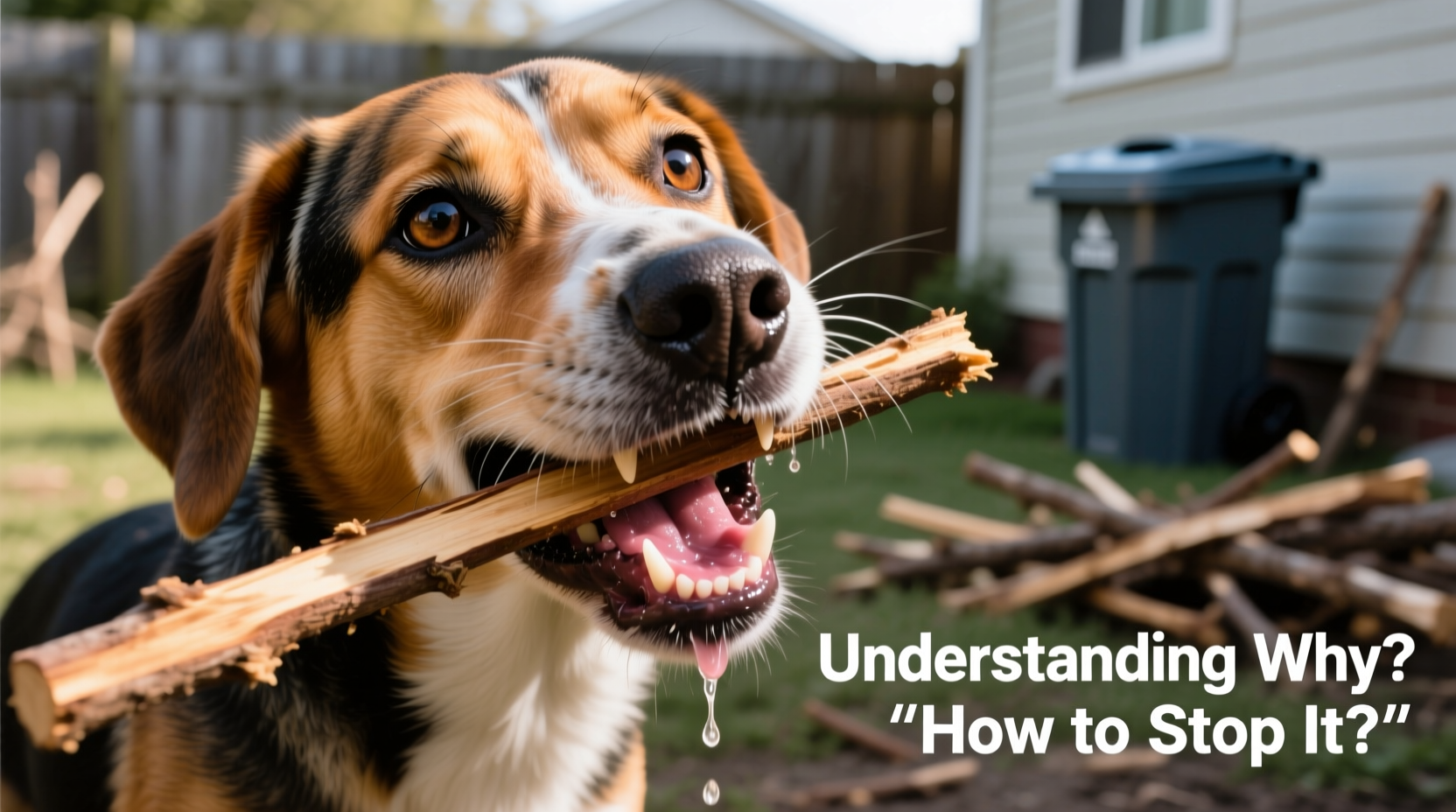
Dogs don’t eat sticks out of hunger in most cases. Instead, this behavior stems from a mix of instinct, boredom, and environmental triggers. Canines are naturally inclined to explore the world through their mouths. Chewing satisfies primal urges inherited from their wild ancestors, who gnawed on bones and tough plant material to clean teeth and relieve stress.
Puppies especially use their mouths to investigate new textures and relieve teething discomfort. Without proper alternatives, they may latch onto whatever is available—sticks being one of the most accessible outdoor objects. Adult dogs may continue the habit due to:
- Oral fixation: Some dogs develop compulsive chewing patterns, particularly if under-stimulated.
- Boredom: Lack of physical or mental engagement leads dogs to self-entertain, often destructively.
- Attention-seeking: If a dog receives any reaction—positive or negative—when chewing a stick, the behavior may be reinforced.
- Prey drive: Throwing sticks mimics hunting behavior, encouraging retrieval and prolonged interaction with the object.
“Dogs aren’t trying to harm themselves when they chew sticks—they’re acting on instinct. Our job is to guide that instinct toward safer outlets.” — Dr. Lena Torres, DVM, Veterinary Behavior Specialist
Risks of Stick-Chewing: When Natural Becomes Dangerous
While not every stick-chewing incident results in injury, the risks are real and sometimes severe. Veterinarians routinely treat dogs for complications arising from wood ingestion. Common dangers include:
| Risk | Description | Potential Outcome |
|---|---|---|
| Splintering | Wood fragments can lodge in gums, throat, or digestive tract | Infection, internal bleeding, surgery required |
| Intestinal obstruction | Swallowed pieces may block the intestines | Vomiting, pain, emergency surgery |
| Dental fractures | Hard sticks can crack molars or damage enamel | Tooth extraction, chronic pain |
| Chemical exposure | Treated, painted, or moldy wood contains toxins | Poisoning, liver damage, neurological symptoms |
Even “natural” backyard sticks may carry fungi like tremorgenic mycotoxins, which cause seizures in dogs. Oak and black walnut trees produce compounds that are mildly toxic when ingested. These hidden hazards make casual stick access far riskier than many owners assume.
Step-by-Step Guide to Stop Your Dog from Eating Sticks
Eliminating stick-eating requires consistency, redirection, and environmental management. Follow this five-step plan to break the habit effectively:
- Remove Access
Clear your yard of fallen branches and supervise walks closely. Use a short leash in wooded areas where sticks are abundant. - Train the “Leave It” Command
Practice with low-value items first. Place a treat in your palm, let your dog sniff, then close your hand and say “Leave it.” Reward compliance with a different treat. Gradually increase difficulty until your dog ignores sticks on cue. - Redirect with High-Value Alternatives
Carry durable chew toys during walks. When your dog goes for a stick, interrupt with a cheerful “Oops!” and immediately offer a preferred toy. Praise generously when accepted. - Increase Mental and Physical Exercise
A tired dog is less likely to seek stimulation through destructive habits. Aim for at least 30–60 minutes of daily activity tailored to breed needs, plus puzzle feeders or scent games indoors. - Reinforce Positive Behavior
Catch your dog ignoring sticks and reward instantly. Over time, this builds positive associations with restraint rather than compulsion.
Checklist: Prevent Stick-Eating in 7 Daily Actions
- ✅ Inspect your yard weekly for loose sticks and debris
- ✅ Carry a chew toy on every walk
- ✅ Practice “Leave it” for 5 minutes daily
- ✅ Rotate durable chew toys to maintain interest
- ✅ Provide at least two interactive games per day (fetch, tug, hide-and-seek)
- ✅ Avoid throwing any wooden objects, even jokingly
- ✅ Schedule annual dental checkups to monitor tooth wear
Real-Life Example: How Max the Border Collie Stopped Eating Sticks
Max, a 3-year-old Border Collie in Colorado, had a dangerous obsession with sticks. His owner, Sarah, noticed he’d drop everything—even treats—to grab a twig during hikes. After Max required surgery to remove a splinter lodged in his esophagus, she sought help from a certified dog trainer.
The turning point came when Sarah replaced unstructured off-leash time with focused agility drills and introduced a high-resistance rubber bone. She practiced “Leave it” near stick piles and rewarded Max heavily for eye contact instead of picking up wood. Within six weeks, Max passed his first stick-free mountain trail hike. Now, he earns tennis balls for ignoring branches—proof that consistent redirection works.
Do’s and Don’ts: Managing Stick-Chewing Behavior
| Do’s | Don’ts |
|---|---|
| Offer safe, durable chew toys made for aggressive chewers | Use sticks as makeshift fetch toys |
| Supervise outdoor time in wooded or park areas | Assume all natural wood is safe |
| Teach and reinforce the “Leave it” command consistently | Yell or punish after the stick is already in the mouth |
| Consult your vet if chewing becomes obsessive | Ignore signs of gastrointestinal distress after wood ingestion |
Frequently Asked Questions
Is it ever safe for dogs to chew on sticks?
No. Even softwood sticks can splinter unpredictably. There is no safe level of stick-chewing due to risks of internal injury and toxicity. Always provide safer alternatives.
My dog only chews small twigs—should I still be concerned?
Yes. Small pieces can still cause obstructions or dental microfractures over time. Chronic exposure increases cumulative risk, especially if the wood is chemically treated or moldy.
What are the best stick alternatives for aggressive chewers?
Rubber toys like the West Paw Zogoflex, Kong Extreme, or GoughNuts are engineered to withstand heavy chewing. Look for products labeled non-toxic, BPA-free, and dishwasher-safe for durability and hygiene.
Conclusion: Protect Your Dog with Proactive Habits
Stopping your dog from eating sticks isn’t about suppressing natural behavior—it’s about guiding it wisely. With consistent training, enriched environments, and vigilant supervision, you can protect your dog from preventable harm while satisfying their need to chew and explore. Start today by removing access to sticks and introducing a rotation of engaging, safe toys. Your dog’s long-term health depends not just on what they avoid, but on what positive habits replace the risky ones.




 浙公网安备
33010002000092号
浙公网安备
33010002000092号 浙B2-20120091-4
Comments
No comments yet. Why don't you start the discussion?