
Dogs communicate in ways that often go beyond barking or tail wagging. One of the more misunderstood behaviors—urinating when scared or excited—is commonly referred to as submissive urination. While it can be frustrating for pet owners, especially when it happens indoors or during greetings, this behavior is rooted in canine psychology, not defiance or poor house training. Understanding the triggers, emotional drivers, and effective management techniques is essential for building a dog’s confidence and reducing unwanted elimination.
What Is Submissive Urination?
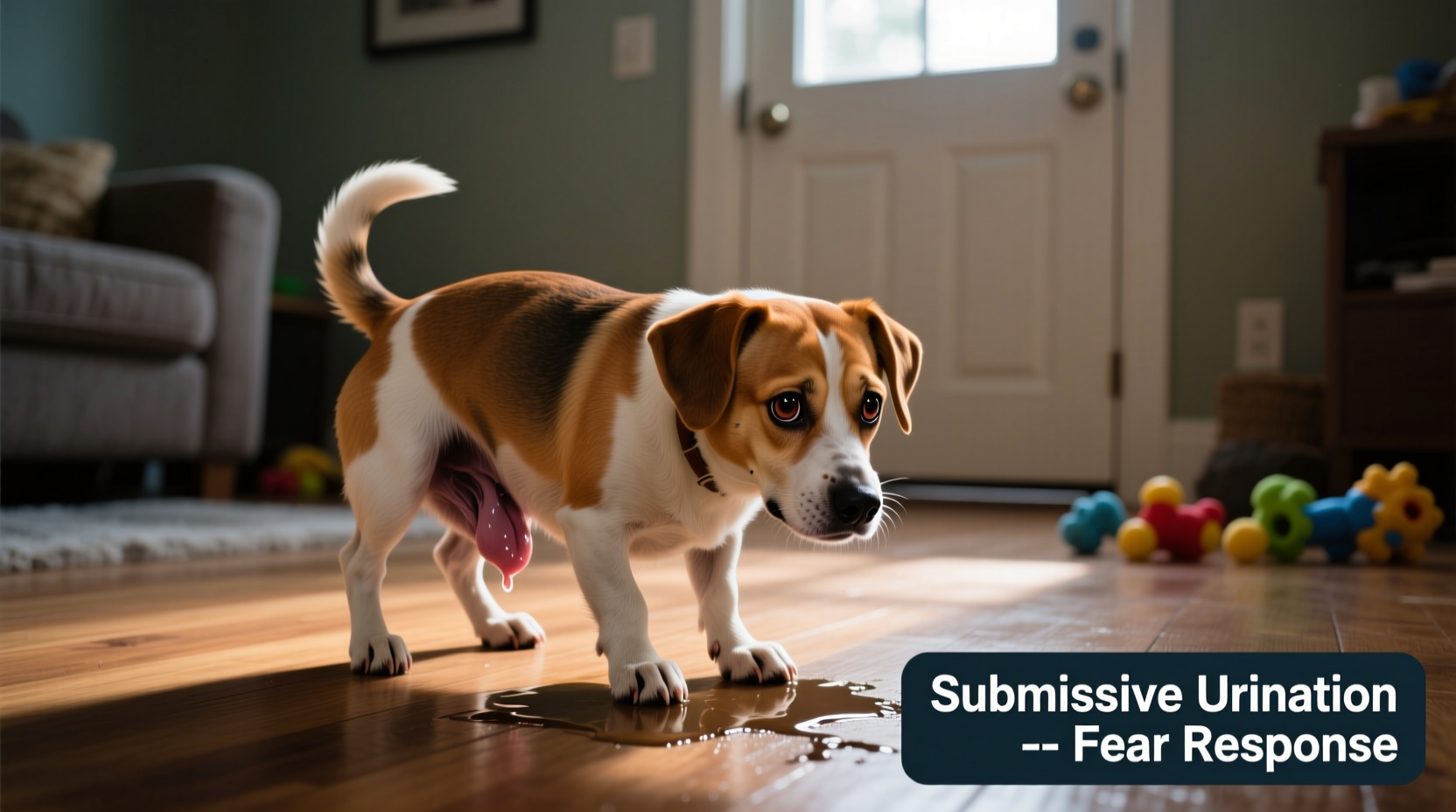
Submissive urination occurs when a dog involuntarily releases small amounts of urine in response to fear, anxiety, or perceived dominance from humans or other animals. It’s most common in puppies, shy dogs, or those with histories of trauma or inconsistent socialization. Unlike medical incontinence or territorial marking, this behavior is a non-aggressive attempt to appease and avoid conflict.
In the wild, subordinate wolves and wild canids may crouch and release urine to signal deference to higher-ranking pack members. Domestic dogs retain this instinctual behavior. When a dog feels overwhelmed—by loud voices, direct eye contact, towering postures, or enthusiastic greetings—they may respond by urinating slightly to show they mean no threat.
Common Triggers of Submissive Urination
Identifying what prompts the behavior is the first step toward resolution. Common triggers include:
- Greetings from family members or visitors
- Reprimands or raised voices
- Sudden movements or reaching over the dog
- Presence of larger or dominant dogs
- Veterinary visits or unfamiliar environments
It’s important to distinguish submissive urination from excitement urination, which typically occurs during high-energy interactions but lacks the crouched posture and avoidance cues. Submissive urination is accompanied by physical signs such as flattened ears, tucked tail, lowered body, and avoiding eye contact.
How to Respond: Do’s and Don’ts
Your reaction plays a crucial role in either reinforcing or reducing the behavior. Punishing or scolding a dog for submissive urination only increases anxiety and worsens the problem. Instead, focus on creating calm, predictable interactions.
| Do | Avoid |
|---|---|
| Approach calmly and at the dog’s level | Leaning over or looming above the dog |
| Use soft tones and gentle praise | Loud voices or sudden gestures |
| Allow the dog space to approach you | Forcing interaction or hugging |
| Redirect attention with treats or toys | Punishing or expressing frustration |
| Build confidence through positive reinforcement | Ignoring progress or expecting immediate change |
“Submissive urination isn’t disobedience—it’s communication. The dog is saying, ‘I’m not a threat.’ Our job is to respond with reassurance, not correction.” — Dr. Karen Overall, Veterinary Behaviorist
Step-by-Step Guide to Reducing Submissive Urination
Improvement takes time, consistency, and patience. Follow this structured approach to help your dog gain confidence and reduce involuntary urination.
- Eliminate punishment: Never yell, punish, or express frustration when your dog urinates submissively. This reinforces fear and delays progress.
- Modify greetings: Greet your dog quietly, avoid direct eye contact, and let them initiate contact. Turn sideways and speak softly instead of bending over them.
- Practice low-stress introductions: When guests arrive, have them ignore the dog initially. Let the dog approach on their own terms after calming down.
- Use positive reinforcement: Reward calm behavior with treats and praise when your dog remains dry during interactions. Focus on rewarding confidence, not just absence of urination.
- Desensitize triggers: Gradually expose your dog to mild versions of stressors (e.g., someone approaching slowly) and reward relaxed responses. Increase intensity only when the dog shows comfort.
- Manage the environment: Use washable rugs or puppy pads in high-risk areas. Keep greetings brief until improvement is evident.
- Build overall confidence: Enroll in low-pressure obedience classes focused on positive reinforcement. Activities like scent games or trick training boost self-assurance.
Mini Case Study: Bella, the Shy Rescue Dog
Bella, a two-year-old mixed breed, was adopted from a shelter where she had minimal human contact. Within days, her new owner noticed she would squat and release a small amount of urine whenever someone approached quickly or said her name loudly. Even simple actions like picking up her leash caused trembling and dribbling.
Working with a certified trainer, Bella’s owner implemented a routine based on calm interactions and confidence-building exercises. They stopped greeting her directly, instead sitting on the floor and letting her come to them. Treats were used to associate people with positive outcomes. Over eight weeks, Bella began initiating contact, holding her posture upright, and remaining dry during interactions. By month four, submissive urination had ceased entirely in the home environment.
The key was consistency and reframing each interaction as an opportunity to build trust—not test obedience.
When to Seek Professional Help
While most cases improve with time and proper management, some dogs require additional support. Consult a veterinarian or veterinary behaviorist if:
- The behavior persists past 12–18 months of age
- Urination occurs frequently in multiple contexts
- There are signs of generalized anxiety (panting, pacing, hiding)
- You suspect underlying medical issues like urinary tract infections or hormonal imbalances
A professional can rule out medical causes and design a tailored behavior modification plan, sometimes incorporating anti-anxiety medications in severe cases.
Frequently Asked Questions
Is submissive urination a sign of poor training?
No. Submissive urination is not related to housebreaking failures. It’s an emotional response driven by fear or insecurity, not a lack of bladder control or discipline.
Can neutering or spaying stop submissive urination?
Spaying or neutering does not directly affect submissive urination, as the behavior is emotionally driven rather than hormonally motivated. However, these procedures can reduce overall reactivity in some dogs, indirectly supporting behavioral improvement.
Will my dog grow out of it?
Many puppies do outgrow submissive urination as they mature and gain confidence, typically by 12–18 months. However, without proper support, some dogs continue the behavior into adulthood, especially if triggers are consistently present.
Conclusion: Building Confidence, One Calm Interaction at a Time
Submissive urination is not a flaw in your dog—it’s a window into their emotional world. By responding with empathy, consistency, and patience, you can help your dog feel safer and more secure. Every calm interaction, every moment of reassurance, contributes to a stronger bond and a more confident companion.




 浙公网安备
33010002000092号
浙公网安备
33010002000092号 浙B2-20120091-4
Comments
No comments yet. Why don't you start the discussion?