
Dogs are intuitive creatures, often mirroring their owner’s emotions while also communicating their own needs through body language. When a dog starts shaking and refuses to leave your side, it can be both concerning and confusing. While occasional trembling may not signal danger, persistent shaking combined with clingy behavior is often a sign that something is wrong—whether physical, emotional, or environmental. Understanding the underlying causes and knowing when to seek help can make all the difference in ensuring your dog’s well-being.
Why Dogs Shake: Common Physical Causes
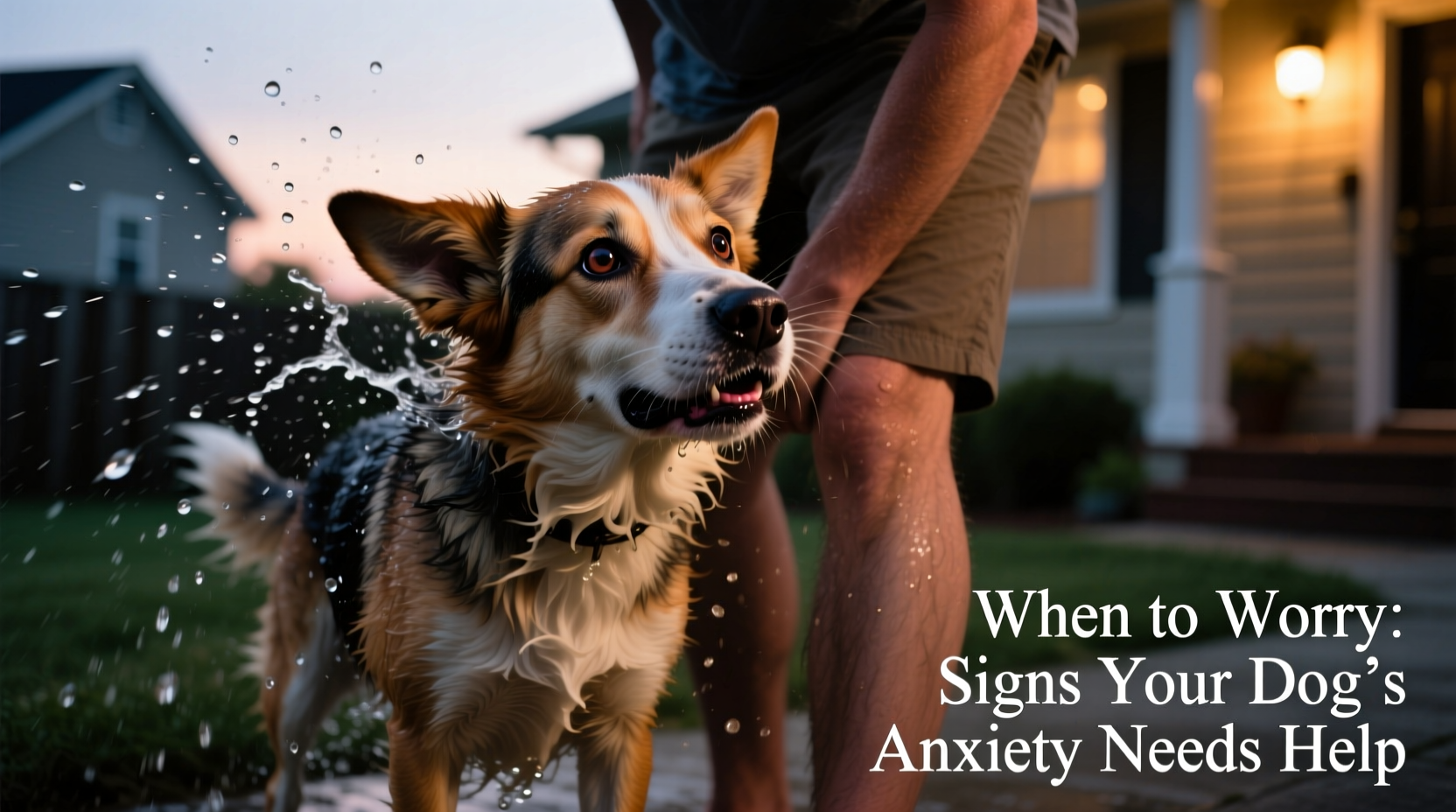
Shaking or shivering in dogs can stem from several medical conditions. Unlike humans, dogs cannot verbalize discomfort, so physical symptoms like trembling become critical indicators of internal issues.
- Pain or injury: A dog experiencing pain—especially from arthritis, a muscle strain, or an undiagnosed injury—may tremble as a physiological response. This is often accompanied by reluctance to move, limping, or vocalization.
- Hypoglycemia: Especially common in small breeds or puppies, low blood sugar can cause shaking, weakness, disorientation, and even seizures.
- Infections: Fever-inducing illnesses such as parvovirus, distemper, or urinary tract infections can lead to chills and shivering.
- Toxin exposure: Ingesting harmful substances like chocolate, xylitol, or household cleaners can trigger neurological symptoms including tremors.
- Neurological disorders: Conditions like epilepsy, vestibular disease, or degenerative myelopathy may manifest as involuntary shaking.
Emotional and Behavioral Triggers
Not all shaking is rooted in physical illness. Emotional distress plays a major role in canine behavior. Dogs form deep attachments to their owners, and anxiety can quickly escalate into physical symptoms.
Common emotional triggers include:
- Separation anxiety: Ironically, a dog afraid of being left alone may become hyper-attached when you're present, following you obsessively and trembling at the thought of separation.
- Fear of loud noises: Thunderstorms, fireworks, or construction sounds can trigger panic responses, including shaking and seeking constant physical contact.
- Environmental changes: Moving homes, introducing new pets, or disruptions in routine can overwhelm sensitive dogs.
- Past trauma: Rescue dogs or those with unknown histories may develop chronic anxiety that surfaces during stress.
“Dogs don’t just shake because they’re cold—they shake because they’re scared, hurt, or unwell. The key is observing context.” — Dr. Lena Torres, DVM, Veterinary Behavior Specialist
When Clinginess Meets Trembling: What It Means
The combination of shaking and refusing to leave your side is particularly telling. This behavior suggests your dog feels vulnerable and is seeking safety. Unlike mild anxiety, which might involve pacing or whining, simultaneous trembling and attachment often point to acute distress.
This dual symptom pattern typically indicates one of three scenarios:
- Acute fear episode: Your dog heard a loud noise or sensed danger and is now in survival mode, using your presence as an anchor.
- Onset of illness: Early stages of fever, nausea, or internal pain may prompt dogs to stay close while their body reacts with tremors.
- Cognitive decline: Older dogs with canine cognitive dysfunction (similar to dementia) may become disoriented and clingy, especially at night.
Mini Case Study: Max, the Shaking Terrier
Max, a 7-year-old Jack Russell Terrier, began trembling uncontrollably during a thunderstorm and wouldn’t move from his owner’s feet—even skipping meals. His owner initially assumed it was noise-related fear. However, when the shaking persisted into the next day despite calm weather, she consulted a vet. Blood work revealed elevated kidney values and dehydration. Max was treated for early-stage kidney disease, which had been exacerbated by stress. Once stabilized, his anxiety episodes decreased significantly with medication and environmental adjustments.
This case illustrates how emotional triggers can mask or amplify underlying health problems. Observation over time is essential.
When to Worry: Red Flags Requiring Immediate Action
Not every episode demands an emergency visit, but certain warning signs should never be ignored. Use this checklist to assess urgency:
- Shaking lasts more than 30 minutes without relief
- Accompanied by vomiting, diarrhea, or difficulty breathing
- Drooling, pale gums, or collapse occurs
- Dog appears disoriented or unable to stand
- Symptoms occur after known toxin exposure
| Symptom Combination | Most Likely Cause | Action Required |
|---|---|---|
| Shaking + panting + pacing | Anxiety or heatstroke | Remove stressor; cool environment; monitor closely |
| Shaking + lethargy + loss of appetite | Infection or systemic illness | Veterinary evaluation within 24 hours |
| Shaking + stiffness + arched back | Pain or neurological issue | Immediate vet visit |
| Shaking only during storms | Noise phobia | Behavioral training or anti-anxiety aids |
| Shaking + frequent urination + thirst | Potential kidney or endocrine disorder | Blood/urine testing recommended |
Step-by-Step: What to Do When Your Dog Starts Shaking
If your dog begins shaking and stays glued to your side, follow these steps to ensure safety and gather useful information for your veterinarian:
- Stay calm: Your energy affects your dog. Speak softly and avoid sudden movements.
- Assess the environment: Check for obvious stressors—loud noises, strange smells, recent dietary changes, or potential toxins.
- Check vital signs: Feel your dog’s gums (should be pink and moist), monitor breathing rate, and gently feel for areas of tenderness.
- Record duration and symptoms: Note when the shaking started, whether it's constant or intermittent, and any additional behaviors (vomiting, hiding, etc.).
- Provide comfort—but don’t reinforce fear: Allow your dog near you, but avoid excessive petting that could reward anxious behavior.
- Contact your vet: Share your observations. If symptoms persist beyond 20–30 minutes, seek professional advice immediately.
Frequently Asked Questions
Can old age cause a dog to shake and become clingy?
Yes. Senior dogs may develop age-related tremors due to muscle weakness or neurological changes. Cognitive decline can also increase dependency and confusion, leading to clinginess. Regular vet checkups are crucial for managing these changes.
Is it normal for dogs to shake when excited?
Mild trembling during high excitement—like when you come home—is common and usually harmless. However, if the shaking is intense, prolonged, or paired with other symptoms, it’s worth investigating further.
How can I help my dog during a fear-induced shaking episode?
Create a quiet, secure space with familiar bedding and toys. Consider using a snug-fitting anxiety wrap (like a Thundershirt), playing calming music, or using pheromone diffusers. Long-term solutions may include desensitization training with a certified behaviorist.
Conclusion: Trust Your Instincts and Act Proactively
Your dog’s shaking and need to stay by your side is a form of communication. Whether it's driven by fear, pain, or illness, dismissing it as “just anxiety” can delay critical treatment. By learning to read the full picture—including timing, accompanying symptoms, and behavioral patterns—you empower yourself to respond effectively.
Never underestimate the value of early intervention. If something feels off, it probably is. Schedule a veterinary consultation, document episodes, and take steps to create a stable, reassuring environment. Your dog relies on you not just for love, but for leadership in times of distress.




 浙公网安备
33010002000092号
浙公网安备
33010002000092号 浙B2-20120091-4
Comments
No comments yet. Why don't you start the discussion?