
Sleep is a personal ritual, shaped by quiet habits and subtle comforts. Among the small details that influence rest, pillowcases play an unexpectedly significant role. They touch your skin all night, affect hair health, and contribute to the overall feel of your bedding. Recently, double-sided pillowcases have gained popularity—marketed as luxurious, versatile, and durable. But are they truly superior to traditional single-sided versions? Or is the extra cost just marketing hype? To answer this, we need to look beyond surface appeal and examine fabric, function, longevity, and real-world use.
Understanding the Basics: What Defines Each Type?
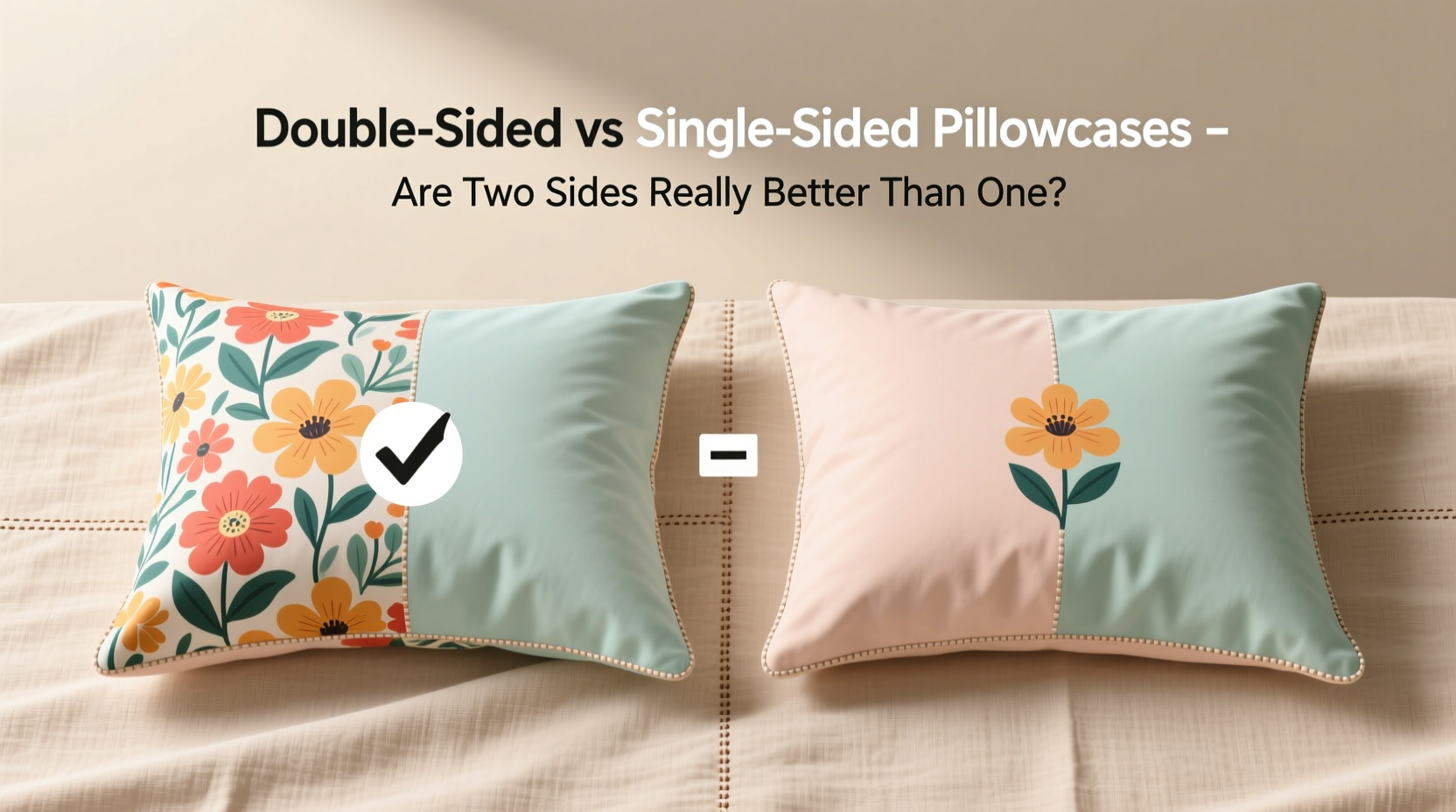
A single-sided pillowcase is constructed with one layer of fabric on the exterior and typically a simpler or less refined weave on the inside. While the outer side receives attention for sheen, softness, or design, the inner layer may differ in texture or thread count. In contrast, a double-sided pillowcase uses the same high-quality fabric on both sides. This means every inch of the case feels consistent, whether you flip it or not.
The construction difference isn’t merely cosmetic. Double-sided cases often involve more fabric and reinforced stitching, increasing material and labor costs. They’re commonly made from premium materials like 100% long-staple cotton, sateen weave, or silk blends—chosen for their smoothness and breathability. Single-sided options, while still available in high-end fabrics, frequently prioritize cost-efficiency, especially in mass-market lines.
Comfort and Skin-Hair Benefits: Which Feels Better?
Your face spends up to eight hours a night in contact with your pillowcase. The texture and absorbency of the fabric can impact skin hydration, acne breakouts, and hair frizz. Silk and satin finishes—often found in double-sided designs—are praised for reducing friction. Dermatologists note that smoother surfaces help prevent sleep creases and minimize tugging on delicate facial skin.
“Frequent contact with rougher fabrics can contribute to mechanical aging—tiny folds and creases that over time become permanent expression lines.” — Dr. Lena Patel, Cosmetic Dermatologist
Double-sided pillowcases amplify these benefits by ensuring consistency. There’s no risk of accidentally resting on a coarser underside. For people with sensitive skin or conditions like rosacea, this predictability matters. Similarly, curly or fine-haired individuals report fewer tangles and less moisture loss when using ultra-smooth double-sided cases, particularly those made from silk or high-thread-count cotton sateen.
Comparison Table: Key Differences at a Glance
| Feature | Single-Sided Pillowcase | Double-Sided Pillowcase |
|---|---|---|
| Fabric Consistency | Outer side premium, inner side basic | Luxurious feel on both sides |
| Durability | Moderate; inner layer may wear faster | Higher due to even stress distribution |
| Cost | $10–$30 | $30–$80+ |
| Care Requirements | Machine washable, low maintenance | May require gentle cycle or hand wash |
| Aesthetic Flexibility | One design only | Can be flipped for reversible patterns |
Real-Life Scenario: A Shift in Routine
Sophie, a 34-year-old graphic designer from Portland, struggled with dry, frizzy hair and frequent forehead breakouts. She used standard cotton pillowcases from big-box retailers, replacing them every six months. After reading about fabric friction, she invested in a double-sided silk-blend pillowcase. Within three weeks, she noticed her morning hair was smoother and required less styling. Her skin appeared calmer, with fewer mid-week flare-ups.
What surprised her most wasn’t the luxury—it was the durability. After ten months of gentle washing, the case showed no pilling or thinning. “I used to go through four cheap cases a year,” she said. “Now I rotate two double-sided ones, and they feel like they’ll last years. It’s expensive upfront, but cheaper over time.”
Longevity and Value: Is the Investment Worth It?
Premium doesn’t always mean practical. However, when evaluating pillowcases, longevity often outweighs initial price. Double-sided models are built to endure. Because both sides are equally strong and smooth, there’s no weak interior layer prone to tearing or abrasion. Reinforced seams and higher-grade stitching further extend lifespan.
Consider this: a $25 single-sided case lasting eight months costs $37.50 annually if replaced once a year. A $60 double-sided case lasting three years averages just $20 per year. Over five years, that’s a savings of $87.50—not to mention reduced environmental waste from fewer replacements.
Additionally, double-sided cases offer functional versatility. Some feature reversible patterns—one side neutral, the other bold—allowing seasonal or mood-based changes without buying new sets. This flexibility enhances bedroom aesthetics while maximizing utility.
Step-by-Step Guide: Choosing the Right Pillowcase for You
- Assess Your Sleep Habits: Do you move a lot at night? Side sleepers benefit most from smooth, low-friction fabrics that protect skin and hair.
- Evaluate Skin and Hair Needs: If you have acne-prone skin, fine hair, or use nighttime skincare serums, prioritize non-absorbent, non-irritating materials like silk or high-count sateen.
- Determine Budget Scope: Decide whether you prefer lower upfront cost or long-term value. Premium cases pay for themselves over time.
- Check Care Instructions: Ensure the case fits your laundry routine. Silk may require hand washing; cotton sateen usually tolerates machine washing on gentle cycles.
- Test One First: Purchase a single double-sided case before upgrading your entire set. Use it for two weeks to evaluate comfort and results.
Common Misconceptions Debunked
One widespread myth is that thread count alone determines quality. In reality, fiber type and weave matter more. A 300-thread-count long-staple cotton sateen can feel smoother than a poorly woven 800-thread-count case. Another misconception is that double-sided means twice the warmth. Unless the fabric itself is thick, the thermal difference is negligible—many double-sided cases use lightweight, breathable materials ideal for year-round use.
Some believe flipping a single-sided case extends its life. While this may distribute wear slightly, the inner fabric is rarely designed for prolonged skin contact and may trap more moisture or irritate sensitive users.
FAQ: Quick Answers to Common Questions
Do double-sided pillowcases really last longer?
Yes. Even wear distribution, higher-quality materials, and reinforced construction typically make double-sided cases more durable. With proper care, they can last two to three times longer than standard options.
Can I use a double-sided pillowcase with any pillow?
Absolutely. As long as the dimensions match (standard, queen, king, or Euro), the pillow filling—whether down, memory foam, or polyester—won’t affect compatibility.
Are silk pillowcases worth the hype?
For many, yes. Silk reduces friction, retains less moisture, and is naturally hypoallergenic. While authentic mulberry silk is expensive, silk-blend double-sided cases offer similar benefits at a lower price.
Final Thoughts: Quality Meets Consistency
The choice between double-sided and single-sided pillowcases ultimately comes down to priorities. If convenience and affordability are paramount, well-made single-sided options remain a solid choice. But for those seeking lasting comfort, skin and hair benefits, and long-term value, double-sided pillowcases offer measurable advantages. They aren’t just about having two sides—they’re about ensuring every side delivers the same high standard of quality.




 浙公网安备
33010002000092号
浙公网安备
33010002000092号 浙B2-20120091-4
Comments
No comments yet. Why don't you start the discussion?