
Undergoing surgery or a medical procedure involving anesthesia is a significant physical event. While most people focus on pain management and rest during recovery, one often-overlooked aspect is the reintroduction of alcohol into their routine. Many wonder: when is it truly safe to drink alcohol after anesthesia? The answer isn’t just about waiting a few hours—it involves understanding how anesthesia affects your body, how long its effects linger, and how alcohol can interfere with healing.
Anesthesia, whether general, regional, or local, impacts your central nervous system, liver function, and medication metabolism. Combining alcohol too soon after exposure can lead to dizziness, impaired judgment, delayed healing, and even serious complications. This article breaks down the science, offers practical guidance, and provides a clear timeline so you can make informed decisions about alcohol consumption post-anesthesia.
How Anesthesia Affects Your Body
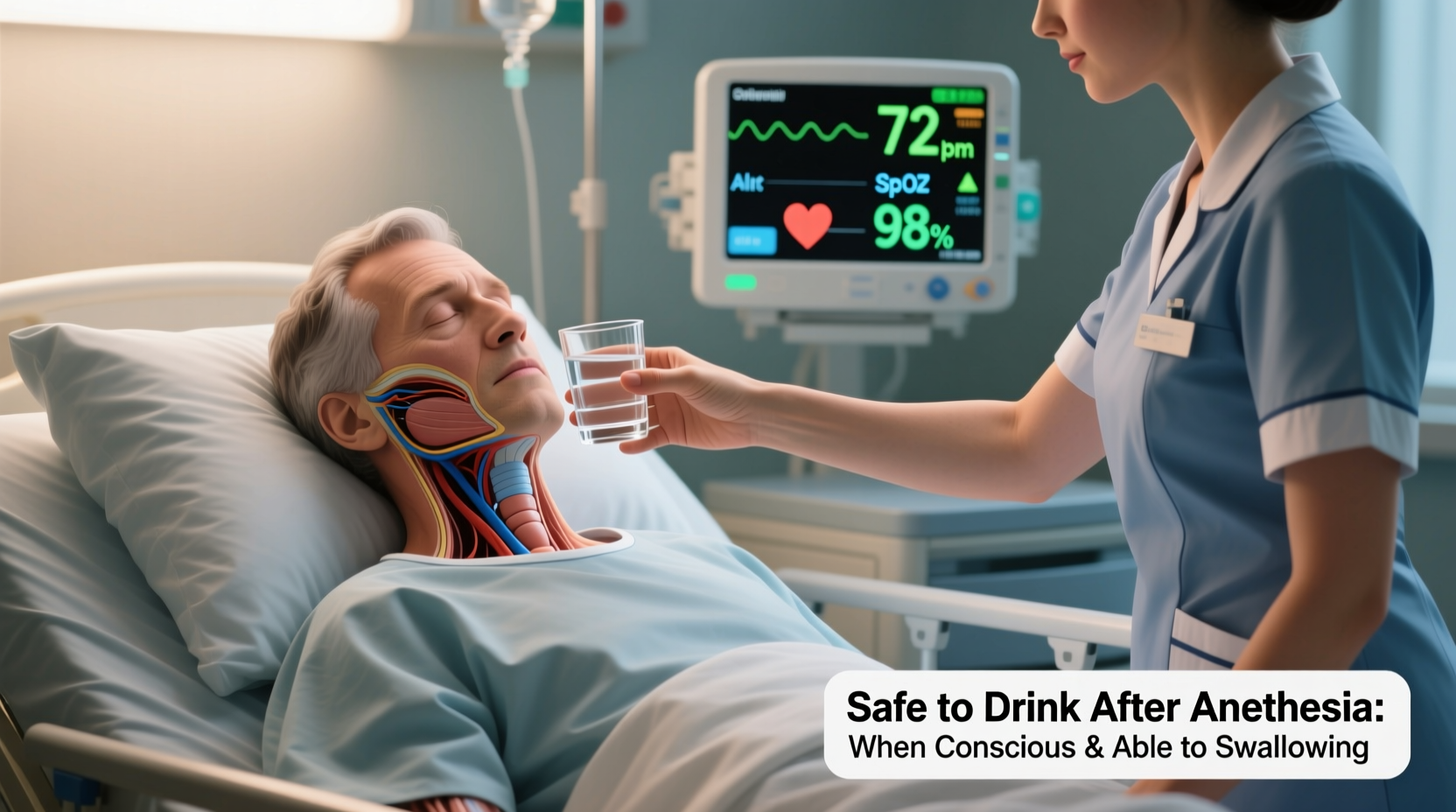
Anesthesia works by temporarily blocking nerve signals in your body, rendering you unconscious (in the case of general anesthesia) or numb in a specific area (with regional or local anesthesia). These medications are processed primarily through the liver and kidneys, organs that also metabolize alcohol. Even after you wake up from anesthesia, residual effects can persist for days.
General anesthesia, in particular, suppresses vital functions such as breathing, heart rate, and reflexes. After surgery, your body needs time to flush out these drugs. During this period, your liver remains under stress. Introducing alcohol—a substance that also demands hepatic processing—can overload the organ and slow recovery.
Additionally, many patients are prescribed painkillers like opioids or NSAIDs after surgery. Mixing these with alcohol increases the risk of gastrointestinal bleeding, liver damage, and respiratory depression. Even over-the-counter medications can interact dangerously with alcohol during the post-op window.
“Patients should avoid alcohol for at least 24 hours after anesthesia, and longer if they’re taking prescription medications. The liver needs time to recover.” — Dr. Rebecca Lin, Anesthesiologist at Pacific Surgical Center
Recommended Timeline for Alcohol Consumption
The safest approach is to follow a phased timeline based on the type of anesthesia and individual health factors. Below is a detailed breakdown:
- First 24 hours: Strict avoidance – No alcohol under any circumstances. Your body is still clearing anesthetic agents, and coordination, judgment, and reaction times remain impaired.
- Days 2–3: Continue caution – If you're not on any medications and feel fully recovered, a small amount of alcohol may be acceptable for healthy adults. However, moderation is critical.
- After Day 4: Gradual reintroduction – Only if you’ve stopped all prescription medications and feel completely back to normal should you consider resuming normal drinking habits.
Medications and Alcohol: A Dangerous Mix
One of the biggest risks of drinking too soon after anesthesia comes from drug interactions. Most surgical patients leave the hospital or clinic with prescriptions. The table below outlines common post-op medications and their interaction risks with alcohol.
| Medication Type | Common Examples | Risk with Alcohol |
|---|---|---|
| Opioids | Oxycodone, Hydrocodone | Increased sedation, respiratory depression, liver strain |
| NSAIDs | Ibuprofen, Naproxen | Higher risk of stomach ulcers and internal bleeding |
| Benzodiazepines | Diazepam, Lorazepam | Severe drowsiness, impaired coordination, overdose risk |
| Antibiotics | Metronidazole, Ciprofloxacin | Nausea, vomiting, rapid heartbeat (especially with metronidazole) |
| Acetaminophen (Tylenol) | Over-the-counter pain relief | Liver toxicity when combined with alcohol |
Even if your procedure was minor and you received only local anesthesia, such as during dental work, you may still be on antibiotics or pain relievers. Always check labels and consult your doctor before consuming alcohol.
Real-World Example: A Cautionary Case
Mark, a 42-year-old office worker, underwent a laparoscopic gallbladder removal under general anesthesia. He felt fine by the second day and attended a friend’s birthday dinner. Believing he was recovered, he had two glasses of wine. Within an hour, he experienced severe dizziness, nausea, and elevated heart rate. He was rushed to urgent care, where doctors determined that the combination of residual anesthesia effects, ongoing ibuprofen use, and alcohol had caused acute liver stress and dehydration.
Mark’s case highlights a common misconception: feeling physically well doesn’t mean your body has fully metabolized anesthesia or medications. His doctors advised him to avoid alcohol for another five days and emphasized that recovery isn’t just about symptoms—it’s about internal healing.
Step-by-Step Guide to Safe Alcohol Reintroduction
If you’re planning to resume drinking after a procedure, follow this step-by-step checklist to ensure safety:
- Wait at least 24 hours after anesthesia, regardless of how you feel.
- Confirm you’ve stopped all prescription medications, especially opioids, benzodiazepines, or certain antibiotics.
- Assess your recovery status: Are you still fatigued? Experiencing pain? If yes, delay alcohol further.
- Start with a small amount—such as half a glass of wine or beer—and wait several hours to assess your body’s response.
- Avoid binge drinking or mixing alcohol with energy drinks or caffeine, which can mask intoxication signs.
- Stay hydrated by alternating alcoholic drinks with water.
- Listen to your body. If you feel lightheaded, nauseous, or unusually tired, stop immediately and rehydrate.
Frequently Asked Questions
Can I drink alcohol 12 hours after local anesthesia?
No. Even with local anesthesia, if you’ve taken pain medication or antibiotics, alcohol can cause adverse reactions. Wait at least 24 hours and confirm no interacting medications are in use.
Does the type of surgery affect when I can drink?
Yes. Major surgeries requiring general anesthesia involve longer recovery and more medications, extending the no-alcohol window. Minor procedures may allow earlier reintroduction—but only after medication clearance.
What are the signs I drank too soon after anesthesia?
Symptoms include extreme drowsiness, nausea, rapid heartbeat, confusion, low blood pressure, or difficulty breathing. If you experience these, seek medical attention immediately.
Final Recommendations and Key Takeaways
Returning to normal activities after anesthesia requires patience and awareness. Alcohol may seem like a harmless way to celebrate being through a procedure, but introducing it too early poses real health risks. The liver, already taxed from processing anesthetics, cannot efficiently handle alcohol during early recovery. Medication interactions amplify these dangers.
To summarize:
- Wait at least 24 hours after anesthesia before considering alcohol.
- Avoid alcohol entirely while taking prescription painkillers or antibiotics.
- Reintroduce alcohol slowly and moderately, only after full symptom resolution.
- When in doubt, consult your surgeon or anesthesiologist.
“The safest choice is to wait until you’re off all post-operative medications and feel 100% back to baseline. That’s typically 5–7 days after most surgeries.” — Dr. Alan Perez, Post-Operative Care Specialist
Take Control of Your Recovery
Your body has undergone a significant event. Honor the recovery process by making thoughtful choices. Delaying alcohol for a few extra days is a small trade-off for long-term health and safety. Share this information with loved ones preparing for surgery—awareness saves lives. Have questions about your specific situation? Talk to your healthcare provider. Your recovery journey matters.




 浙公网安备
33010002000092号
浙公网安备
33010002000092号 浙B2-20120091-4
Comments
No comments yet. Why don't you start the discussion?