
A flaky scalp is more than just an aesthetic concern—it can signal underlying skin conditions, environmental stressors, or improper hair care habits. Many people use the terms \"dry scalp\" and \"dandruff\" interchangeably, but they are not the same. Understanding the distinction is essential for choosing the correct treatment and achieving long-term relief. While both conditions result in visible flakes, their causes, symptoms, and solutions differ significantly. Misdiagnosing one for the other can lead to ineffective routines, prolonged discomfort, and even worsening irritation.
This guide breaks down the key differences between dry scalp and dandruff, explores root causes, and provides targeted strategies for effective management. Whether you're dealing with occasional flaking or chronic scalp issues, knowing what you're up against is the first step toward resolution.
Understanding Dry Scalp: Causes and Symptoms
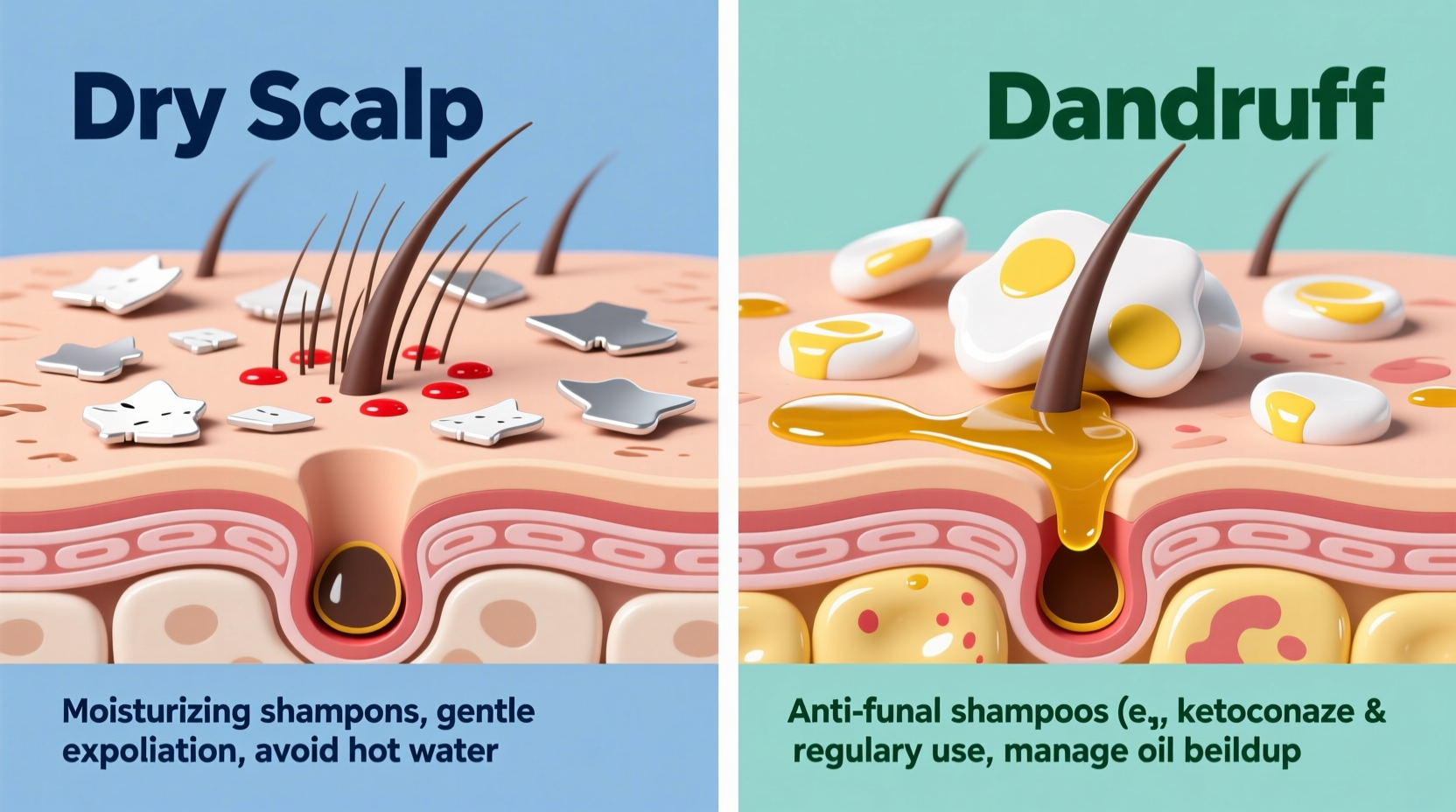
Dry scalp occurs when the skin on your head lacks sufficient moisture. Just like dry skin on your face or hands, a dry scalp results from dehydration, harsh weather, overwashing, or using stripping hair products. The flakes associated with dry scalp are typically small, white, and powdery. They tend to appear uniformly across the scalp and may be accompanied by tightness, mild itching, or a rough texture when touched.
Common triggers include:
- Cold, dry air during winter months
- Overuse of clarifying shampoos or sulfates
- Infrequent washing, leading to buildup that disrupts moisture balance
- Dehydration or poor diet lacking essential fatty acids
- Hot water showers that strip natural oils
Dry scalp is not contagious and does not involve microbial activity. It’s purely a hydration issue. Because the flakes are due to skin shedding from lack of moisture, they don’t carry oil and often fall onto clothing without leaving greasy residue.
What Is Dandruff? The Fungal Factor
Unlike dry scalp, dandruff is a medical condition—often linked to a yeast-like fungus called *Malassezia globosa*. This microorganism naturally lives on the scalp, feeding on sebum (natural oils). In some individuals, an overgrowth of this fungus triggers inflammation, accelerating skin cell turnover. Instead of shedding gradually, dead skin cells clump together and fall off in visible, oily, yellowish flakes.
Dandruff flakes are larger, irregularly shaped, and often cling to the scalp or hair shafts. The scalp may feel itchy, red, or inflamed, particularly around the hairline, behind the ears, or at the nape of the neck. Unlike dry scalp, dandruff tends to persist regardless of how often you wash your hair—and in some cases, frequent washing can worsen irritation if harsh products are used.
Contributing factors include:
- Excess sebum production
- Hormonal fluctuations
- Stress and weakened immunity
- Sensitivity to hair care ingredients (contact dermatitis)
- Underlying skin disorders like seborrheic dermatitis or psoriasis
“Dandruff isn’t about poor hygiene—it’s an immune response to a common scalp fungus. Effective treatment targets both the microbial imbalance and inflammation.” — Dr. Lena Patel, Board-Certified Dermatologist
Key Differences: Dry Scalp vs Dandruff
Telling these two conditions apart requires close observation of flake type, scalp sensation, and response to care routines. The following table summarizes the primary distinctions:
| Feature | Dry Scalp | Dandruff |
|---|---|---|
| Flake Size & Appearance | Small, dry, white, powdery | Large, oily, yellowish, clumped |
| Scalp Moisture | Dry, tight, possibly scaly | Oily, greasy base with flakes |
| Itchiness | Mild to moderate | Moderate to severe |
| Location | Evenly distributed | Concentrated near hairline, ears, neck |
| Triggers | Cold weather, overwashing, dehydration | Fungal overgrowth, stress, hormones |
| Response to Moisturizing | Improves with hydration | Limited improvement without antifungal action |
One practical test: After washing your hair with a gentle moisturizing shampoo, observe changes over 48 hours. If flaking decreases and the scalp feels softer, dryness was likely the culprit. If flakes return quickly with oiliness and itch, dandruff is probable.
Step-by-Step Treatment Guide
Correct diagnosis leads to effective treatment. Follow this structured approach based on your condition:
- Assess Your Scalp: Examine flake size, oiliness, and distribution. Note any recent changes in products or environment.
- Switch to a Targeted Shampoo:
- For dry scalp: Use hydrating formulas with ceramides, glycerin, or hyaluronic acid.
- For dandruff: Choose medicated shampoos with active ingredients like pyrithione zinc, ketoconazole, salicylic acid, or selenium sulfide.
- Adjust Washing Frequency: Wash dry scalps less often (2–3 times weekly) to retain moisture. For dandruff, wash more frequently (every other day) with medicated shampoo, leaving it on for 5 minutes before rinsing.
- Apply Scalp Treatments: Use leave-in serums or oils for dryness (e.g., squalane, argan oil). For dandruff, apply antifungal lotions or tea tree oil dilutions (5–10%) to reduce microbial load.
- Monitor Progress Over Two Weeks: Track flake reduction, itch levels, and oil balance. Adjust products as needed.
- Consult a Dermatologist if No Improvement: Persistent flaking may indicate seborrheic dermatitis, psoriasis, or fungal infection requiring prescription treatment.
Real-Life Scenario: Sarah’s Scalp Journey
Sarah, a 32-year-old teacher, noticed persistent white flakes on her dark blouses despite daily shampooing. She assumed she had dandruff and bought an anti-dandruff shampoo containing ketoconazole. After two weeks, her scalp felt tighter, itchier, and flaking worsened. Confused, she visited a dermatologist who examined her scalp under magnification. The flakes were fine and powdery, with no signs of oil or inflammation. Diagnosis: dry scalp aggravated by overwashing and hot showers.
The dermatologist advised Sarah to reduce washing to twice a week, switch to a sulfate-free hydrating shampoo, and apply a lightweight scalp oil before bed. Within ten days, her flakes diminished, and her scalp regained comfort. The key lesson: treating dryness like dandruff can backfire, stripping the scalp of its last reserves of moisture.
Prevention Checklist: Maintain a Healthy Scalp
Regardless of your skin type, consistent care prevents future flare-ups. Follow this checklist to keep your scalp balanced:
- ✅ Use lukewarm water instead of hot when washing hair
- ✅ Avoid shampoos with sulfates, alcohol, or synthetic fragrances
- ✅ Hydrate internally—drink plenty of water and consume omega-3-rich foods
- ✅ Limit use of styling products that build up on the scalp
- ✅ Manage stress through sleep, exercise, or mindfulness practices
- ✅ Re-evaluate hair products every 3–6 months for effectiveness
- ✅ Protect scalp from extreme weather with hats or scarves
For those prone to dandruff, incorporating a medicated shampoo into your routine once a week—even after symptoms resolve—can prevent recurrence. For dryness, seasonal adjustments are often necessary, especially during winter months.
Frequently Asked Questions
Can you have both dry scalp and dandruff at the same time?
Yes. Some individuals experience a combination where the scalp is both dehydrated and hosts fungal overgrowth. This is common in colder climates where indoor heating dries the skin while sebum production continues. In such cases, treatment must address both hydration and microbial balance—using a gentle antifungal shampoo followed by a non-comedogenic scalp serum.
Is dandruff contagious?
No, dandruff is not contagious. While it involves a naturally occurring fungus (*Malassezia*), everyone has this microbe on their skin. Dandruff develops due to individual sensitivity, immune response, and sebum levels—not transmission from person to person.
Will cutting out sugar help dandruff?
Preliminary research suggests high-sugar diets may fuel yeast growth, potentially exacerbating dandruff in susceptible individuals. While eliminating sugar alone won’t cure dandruff, adopting an anti-inflammatory diet rich in vegetables, whole grains, and healthy fats supports overall skin health and may reduce flare frequency.
Final Thoughts: Treat Right, Feel Better
Distinguishing dry scalp from dandruff isn’t just about semantics—it’s about targeting the real cause. Misidentifying the issue leads to frustration, wasted products, and prolonged discomfort. By learning to read your scalp’s signals, choosing appropriate treatments, and maintaining a consistent, informed routine, you can achieve lasting relief.
Remember, your scalp is living skin, not just a foundation for hair. It deserves the same attention as your face when it comes to cleansing, hydration, and protection. If over-the-counter solutions fail, don’t hesitate to seek professional evaluation. Conditions like seborrheic dermatitis or scalp psoriasis require precise diagnosis and tailored therapy.




 浙公网安备
33010002000092号
浙公网安备
33010002000092号 浙B2-20120091-4
Comments
No comments yet. Why don't you start the discussion?