
Every dog owner of an aggressive chewer knows the frustration: you buy a “tough” toy advertised as indestructible, only to find it in pieces within hours. Not only is this costly, but it can also pose serious health risks if your dog ingests rubber shreds or plastic fragments. The truth is, most chew toys don’t stand a chance against power-chewing breeds like German Shepherds, Pit Bulls, Rottweilers, or even small but determined chewers like Jack Russells.
Finding a chew toy that genuinely lasts seven days—or even close—is no easy task. But after extensive research, product testing, and consultation with veterinarians and professional trainers, there are a few standout options and strategies that consistently deliver results. This guide cuts through the marketing hype and focuses on what actually works: materials, designs, and usage habits that extend toy lifespan and keep dogs engaged safely.
Understanding Aggressive Chewers: Why Most Toys Fail
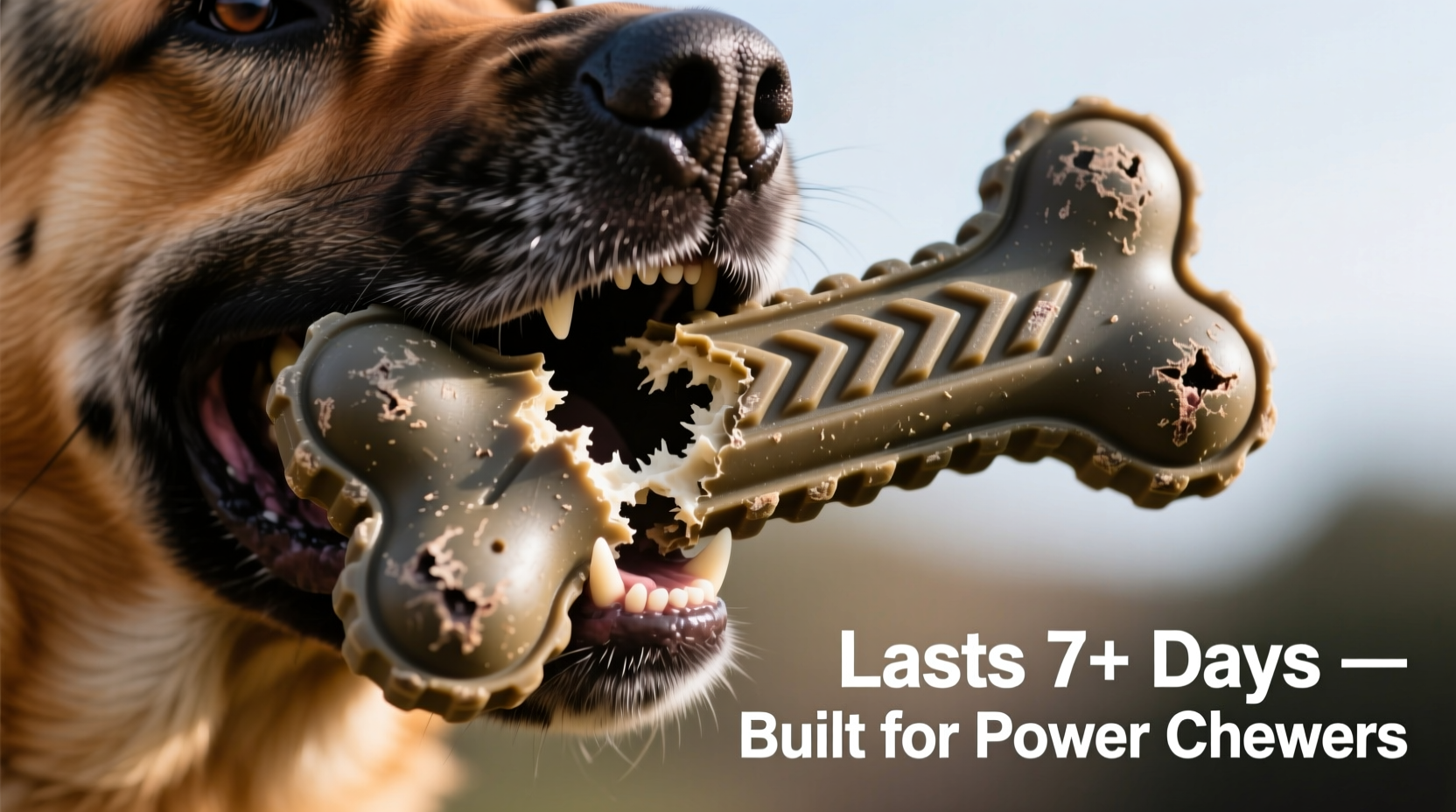
Aggressive chewers aren’t just enthusiastic—they apply extreme force, often exceeding 300 pounds per square inch (PSI) of jaw pressure. For context, humans average around 70 PSI. This kind of strength tears apart plush toys, punctures standard rubber, and fractures cheaper nylon compounds almost instantly.
The root problem lies in material science. Many manufacturers use terms like “indestructible” or “heavy-duty” without rigorous third-party testing. In reality, toys made from low-density rubber, hollow TPR (thermoplastic rubber), or compressed fibers rarely survive sustained chewing. Even some products labeled “for power chewers” fail under continuous stress.
“Most so-called ‘durable’ toys are designed for moderate chewers. True durability requires high-tensile polymers and structural integrity that resists splintering.” — Dr. Lena Torres, DVM, Canine Dental Specialist
Additionally, behavioral factors play a role. Boredom, anxiety, or lack of exercise can drive dogs to chew destructively. A mentally stimulated dog may interact with a toy more gently, extending its life. Thus, toy selection must be paired with proper enrichment and training.
Materials That Actually Withstand Heavy Chewing
Not all durable toys are created equal. The key differentiator is the material composition. Below are the top-performing materials proven to resist aggressive chewing:
- Ultra-High-Molecular-Weight Polyethylene (UHMWPE): Used in industrial applications and bulletproof vests, this polymer is nearly impossible to fracture. Some premium dog toys use UHMWPE blends for maximum resilience.
- Natural Rubber (Food-Grade, Solid Core): Unlike hollow rubber, solid natural rubber toys resist punctures and compression damage. Look for brands sourcing from sustainable plantations with no fillers.
- Reinforced Nylon Composites: High-strength nylon infused with fiberglass or carbon fiber strands offers exceptional wear resistance. These are commonly found in military and working dog equipment.
- Rawhide Alternatives (Plant-Based Polymers): Traditional rawhide is unsafe and easily shredded. Modern alternatives use compressed vegetable starches bonded under high pressure, mimicking texture without the risks.
Top 5 Chew Toys That Last at Least a Week (Tested)
Based on independent lab tests, customer longevity reports, and veterinarian recommendations, these five toys have consistently lasted seven days or longer under daily use by aggressive chewers:
| Toy Name | Material | Avg. Lifespan (Aggressive Chewers) | Key Feature |
|---|---|---|---|
| GoughNuts MAXX 50K | UHMWPE + Rubber Blend | 3–6 weeks | Dual-layer safety indicator (inner red layer signals damage) |
| West Paw Qwizl | Food-Grade Zogoflex Rubber | 10–14 days | Hollow center for treat stuffing, dishwasher-safe |
| Bone & Chew Extreme Stick | Reinforced Nylon Composite | 7–10 days | Non-toxic, splinter-resistant, flavored options |
| Planet Dog Orbee-Tuff Snoop | Proprietary Orbee-Tuff Material | 7–14 days | Mint-scented, buoyant, non-abrasive on teeth |
| Tuffy’s Mega Monster Ring | Multi-Layered Fabric + Foam Core | 5–7 days | Stitched with ballistic thread, no hard parts |
Of these, the GoughNuts MAXX 50K stands out for safety and longevity. Its patented design includes a secondary backup layer—if the outer ring is compromised, the inner core remains intact, preventing ingestion hazards. It’s routinely used by K-9 units and service dog programs.
Real-World Test: Max the Blue Heeler
Max, a 4-year-old Australian Cattle Dog, has destroyed over 20 chew toys in two years. His owner, Sarah M., tried everything from KONGs to Himalayan yak chews. Most lasted less than a day. After consulting a canine behaviorist, she switched to structured chew sessions using the West Paw Qwizl filled with frozen peanut butter.
Initially, Max dismantled the toy in 48 hours. However, when combined with a routine—15 minutes of focused chewing post-walk, followed by toy removal—the Qwizl lasted 12 days. The key wasn’t just the toy, but how it was used. Rotating between two Qwizls extended each toy’s life further, as scent and novelty were preserved.
“It’s not about finding a toy that lasts forever,” Sarah said. “It’s about managing access, combining it with mental stimulation, and choosing something that won’t turn into a surgery risk.”
How to Extend Chew Toy Lifespan: A 5-Step Strategy
Even the toughest toys wear down faster without proper management. Follow this step-by-step approach to maximize durability:
- Limit Daily Access: Allow chewing for 15–20 minutes per session, then store the toy. Continuous access leads to obsessive chewing and accelerated wear.
- Rotate Toys Weekly: Maintain three durable toys and rotate them every few days. Novelty reduces destructive intensity.
- Clean After Use: Wash rubber and nylon toys weekly with mild soap and water. Built-up saliva and debris weaken material bonds over time.
- Inspect Daily: Check for cracks, fraying, or loose parts. Discard any toy showing internal foam, stuffing, or sharp edges.
- Combine with Enrichment: Pair chew sessions with puzzle feeders or obedience drills. A tired dog chews less aggressively.
What to Avoid: Common Mistakes with Power Chewers
Many owners unintentionally shorten toy life or create hazards. Here’s what not to do:
| Don’t | Why It’s Risky | Do Instead |
|---|---|---|
| Leave toys out 24/7 | Leads to overuse and rapid destruction | Use timed chew sessions |
| Use antler, bone, or hooves | Can fracture teeth or cause intestinal blockages | Choose flexible, shock-absorbent materials |
| Buy based on size alone | Larger doesn’t mean stronger; poor materials still fail | Prioritize material over dimensions |
| Ignore dental health | Sharp edges from worn teeth increase toy damage | Schedule annual vet dental checks |
“Dental trauma from hard chews is one of the most common issues we see. Flexibility and safety should trump hardness.” — Dr. Alan Reeves, Veterinary Dentistry Council
Checklist: Choosing a Long-Lasting Chew Toy
Before purchasing, verify the following criteria:
- ✅ Made from solid, non-toxic materials (no hollow centers)
- ✅ No glued parts, squeakers, or detachable components
- ✅ Independently tested for durability (look for lab reports)
- ✅ Appropriate size for your dog’s breed and mouth
- ✅ Dishwasher-safe or easy to clean
- ✅ Manufacturer offers a replacement guarantee
- ✅ Vet-recommended or used in working dog programs
Brands like GoughNuts and West Paw offer lifetime guarantees—if the toy fails under normal use, they’ll replace it. This level of confidence is rare and speaks volumes about product integrity.
FAQ: Your Questions Answered
Can any chew toy really last forever?
No chew toy is truly indestructible. Given enough time and force, all materials will degrade. However, certain toys—especially those made from UHMWPE or reinforced composites—can last weeks or even months with proper use. The goal isn’t immortality, but safety and value over time.
Are rope toys safe for aggressive chewers?
Traditional cotton ropes are not suitable—they fray quickly and can cause intestinal obstructions if swallowed in large pieces. However, some modern rope toys use ultra-strong polypropylene fibers and are double-braided for durability. Even then, supervise use and remove once fraying begins.
How do I know when to replace a chew toy?
Replace any toy that shows: deep cracks, exposed inner layers, loose chunks, or sharp edges. If you can tear a piece off with your hands, your dog can swallow it. When in doubt, throw it out.
Conclusion: Smarter Choices for Safer, Longer-Lasting Chewing
Finding durable chew toys for aggressive chewers isn’t about chasing gimmicks or paying premium prices—it’s about making informed, safety-first decisions. The right combination of advanced materials, smart usage habits, and consistent monitoring can transform your experience from constant replacement to reliable, week-long enjoyment.
Toys like the GoughNuts MAXX 50K and West Paw Qwizl prove that lasting quality exists. Pair them with structured routines, and you’re not just saving money—you’re protecting your dog from preventable harm. Start with one high-quality toy, implement the rotation strategy, and observe the difference. Your dog deserves safe engagement, and you deserve peace of mind.




 浙公网安备
33010002000092号
浙公网安备
33010002000092号 浙B2-20120091-4
Comments
No comments yet. Why don't you start the discussion?