
Every year, millions of smartphones suffer damage from accidental drops, water exposure, or daily wear—all preventable with the right case. Despite their small size, phone cases play a critical role in extending your device’s lifespan. Not all cases are created equal, however. A flimsy silicone shell may offer minimal impact resistance, while an over-engineered military-grade model might make wireless charging impossible. Choosing the best durable phone case requires understanding materials, design trade-offs, and real-world performance.
This guide cuts through marketing hype to deliver practical, expert-backed insights on selecting a truly protective cover that aligns with your lifestyle, usage patterns, and device needs.
Understand What Makes a Case Truly Durable
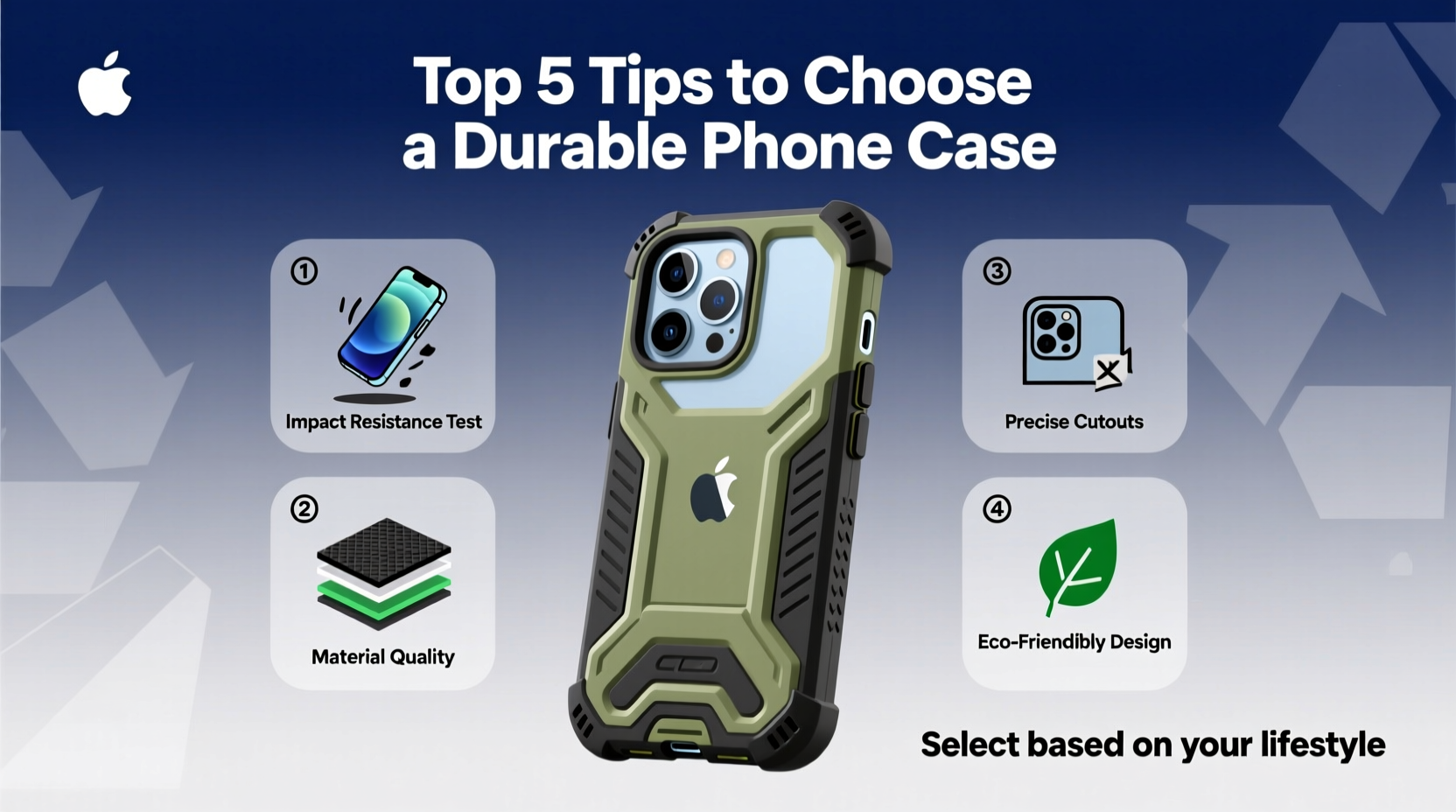
Durability isn’t just about thickness or rugged appearance—it’s a combination of material science, structural engineering, and real-world testing. A case can claim “shockproof” but fail after three months due to yellowing, cracking, or button degradation.
The most durable cases typically use multi-layer construction: a rigid outer shell (often polycarbonate) paired with a shock-absorbing inner liner (like TPU—thermoplastic polyurethane). This combination disperses impact energy during drops. Some premium models also incorporate air-cushion corners, raised bezels, and reinforced ports.
“Look beyond drop ratings. Long-term durability includes resistance to UV discoloration, abrasion, and mechanical fatigue from repeated use.” — Dr. Alan Reyes, Materials Engineer at MobileTech Labs
Key Features That Define Protection Level
When evaluating durability, focus on specific design elements proven to enhance protection:
- Raised Edges: Screens and cameras should sit slightly below the case’s lip to prevent direct contact when placed face-down.
- Drop Certification: Look for MIL-STD-810G or equivalent standards, indicating lab-tested resilience from multiple heights (typically 4–6 feet).
- Port Covers: Dust and moisture resistance improves with sealed ports, though they may reduce usability.
- Button Quality: Durable cases use molded-in metal or rigid plastic buttons, not soft rubber caps that degrade quickly.
- Grip Texture: Textured sides reduce slippage—especially important for larger phones.
Do’s and Don’ts When Assessing Durability
| Do | Don’t |
|---|---|
| Check third-party drop test videos from trusted reviewers | Rely solely on brand-provided test footage |
| Inspect hinge flexibility in flip cases for long-term use | Choose overly stiff cases that strain phone edges |
| Verify compatibility with screen protectors and chargers | Assume all “slim” cases provide meaningful protection |
| Opt for replaceable components (e.g., worn-out kickstands) | Purchase glued-together designs that can’t be repaired |
Match the Case to Your Lifestyle
A desk-bound professional has different needs than a mountain biker or parent with young children. The ideal case balances protection with usability.
Common User Profiles and Recommended Case Types
- The Active User: Hikers, cyclists, or outdoor workers benefit from rugged cases with MIL-STD certification, belt clips, and waterproof seals. Brands like OtterBox Defender or UAG Plasma excel here.
- The Everyday Professional: Prioritize slim, stylish designs with scratch resistance and card storage. Consider hybrid cases like Spigen ToughArmor or Apple’s FineWoven lineup.
- The Parent or Traveler: Kids drop phones frequently. Choose bright colors for visibility and high-impact TPU with deep drop protection. Lifeproof FRĒ series is ideal.
- The Minimalist: If you prefer bare-metal aesthetics, opt for shock-absorbent bumper frames that protect only the edges and corners.
Real-World Example: How One Teacher Saved Her Phone (and $800)
Sophia, a middle school teacher in Portland, carried her iPhone 14 Pro daily in a crowded staff room where it was constantly jostled, dropped, and exposed to chalk dust. After replacing her second screen in 18 months, she invested in a MaximalShock Rugged Hybrid case.
Three months later, her phone slipped from her hand onto concrete during recess. She braced for disaster—but found no cracks, thanks to the case’s dual-layer TPU and corner air pockets. Over two years, the same case endured spills, backpack compression, and repeated disinfecting wipes without degrading.
Her total cost: $35. Cost of one screen repair: $279. By prioritizing durability upfront, Sophia avoided unnecessary downtime and expense.
Step-by-Step Guide to Selecting the Best Durable Case
Follow this sequence to ensure you make an informed decision:
- Identify Your Risk Profile: Do you frequently drop your phone? Use it outdoors? Expose it to liquids?
- Review Your Phone Model: Check exact dimensions and port layout. Older or refurbished models may need looser tolerances.
- Set a Protection Tier:
- Basic: Minor bumps and scratches
- Moderate: Occasional drops under 3 feet
- High: Frequent drops, outdoor work, or extreme environments
- Filter by Material:
- TPU: Flexible, impact-resistant, affordable
- Polycarbonate: Rigid, scratch-resistant, often used in combo shells
- Aluminum/Steel: Maximum protection but adds bulk and may interfere with signals
- Test Compatibility: Ensure access to speakers, buttons, and wireless charging. Try before buying if possible.
- Read Long-Term Reviews: Look for comments about yellowing, peeling, or button failure after 6+ months.
- Purchase and Evaluate: Monitor fit, feel, and function over the first week. Return if anything feels off.
Frequently Asked Questions
Are expensive cases worth it?
Not always. While brands like OtterBox or Catalyst command higher prices, mid-tier options from Spigen, ESR, or UAG often deliver comparable protection at half the cost. Premium value lies in build quality, warranty, and attention to detail—not just branding.
Can a case affect signal strength?
Yes. Metallic cases or those with thick shielding can interfere with GPS, Wi-Fi, or cellular reception. Always check user feedback on connectivity issues before purchasing. Most reputable brands design around this problem.
How long should a durable case last?
A well-made case should last 18–24 months under regular use. Signs it’s time to replace include fading, stiffness, loose fit, or cracked corners. Regular cleaning with isopropyl alcohol wipes can prolong its life.
Final Checklist Before Buying
- ✅ Confirmed compatibility with your exact phone model
- ✅ Verified drop protection standard (MIL-STD or equivalent)
- ✅ Raised edges for screen and camera protection
- ✅ Supports wireless charging without removal
- ✅ Positive long-term reviews (6+ months usage)
- ✅ Resistant to yellowing, especially for clear models
- ✅ Comfortable grip and accessible controls
Protect Your Investment Wisely
Your smartphone is likely one of your most-used—and most-expensive—daily tools. A high-quality, durable case isn’t an accessory; it’s insurance. With the right research and attention to detail, you can avoid costly repairs, maintain resale value, and keep your device functioning flawlessly for years.
Don’t wait for a shattered screen to act. Apply these expert tips today—evaluate your habits, choose purpose-built protection, and enjoy peace of mind every time your phone leaves your hand.




 浙公网安备
33010002000092号
浙公网安备
33010002000092号 浙B2-20120091-4
Comments
No comments yet. Why don't you start the discussion?