
For pet owners of strong-jawed breeds like Pit Bulls, German Shepherds, or Labradors, finding a plush dog toy that can withstand aggressive chewing is more than a convenience—it's a necessity. Standard plush toys often fall apart within days when faced with relentless gnawing, leaving behind stuffing, squeakers, and frustration. But what about \"durable\" plush toys? Marketed as tougher alternatives, they promise extended playtime and safety. So, which truly lasts longer—standard plush toys or their reinforced counterparts—when tested by power chewers?
The answer isn’t just about material thickness. It’s about construction, design, and understanding the behavior of high-energy dogs. This article breaks down the key differences, evaluates performance under stress, and provides actionable guidance for choosing toys that survive both play sessions and time.
Understanding Power Chewers and Their Impact on Toys
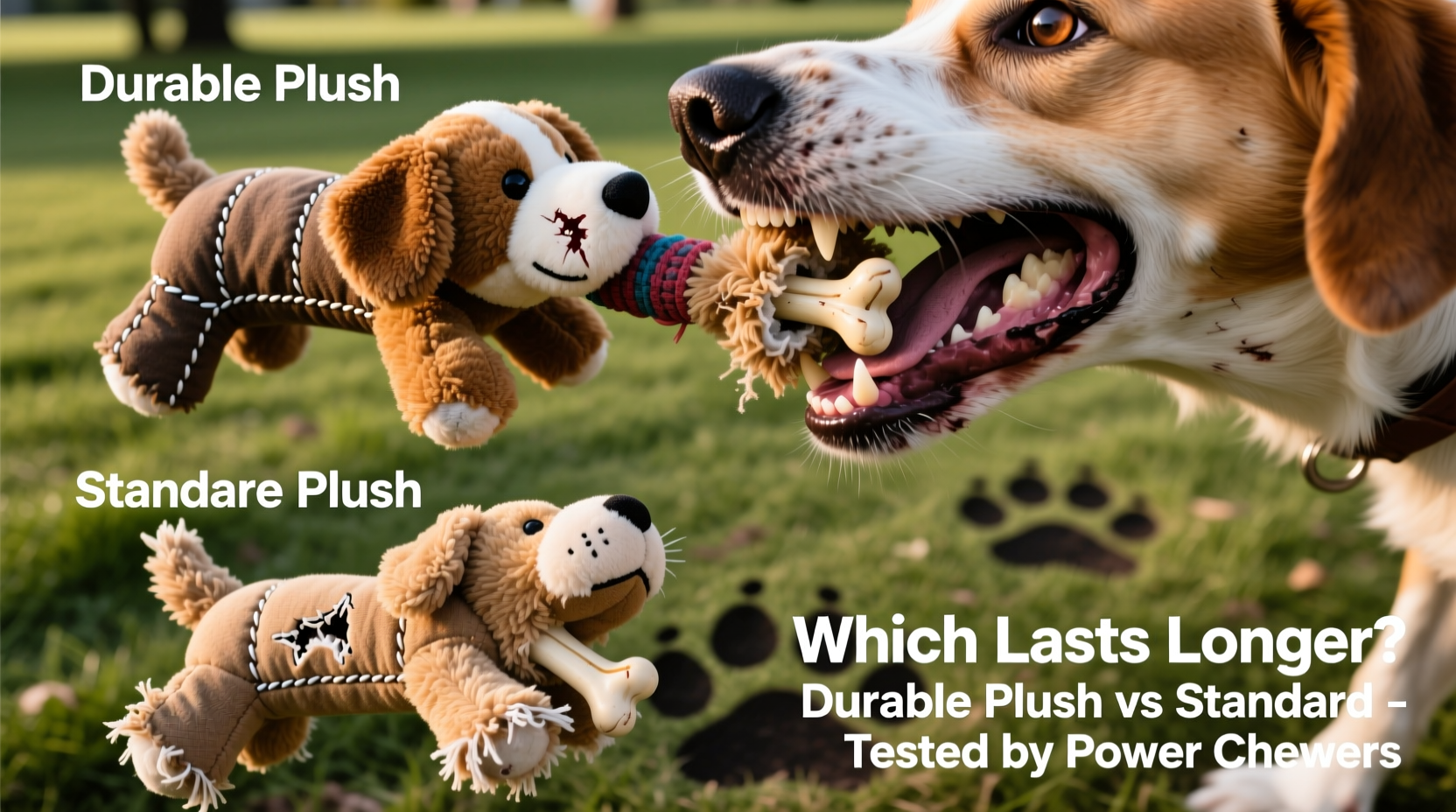
Power chewers aren’t simply dogs that like to chew—they’re animals with instinctual behaviors driven by breed, energy levels, and dental strength. These dogs apply significant pressure, often targeting weak points in toys such as seams, stitching, or squeaker compartments.
Standard plush toys are typically made from single-layer polyester or cotton fabric with minimal reinforcement. They’re designed for light to moderate play, not for sustained chewing. When subjected to powerful jaws, these toys quickly:
- Tear at the seams
- Lose stuffing within minutes
- Expose plastic squeakers, creating choking hazards
- Become unhygienic due to moisture absorption
In contrast, durable plush toys incorporate multiple layers of resistance: reinforced stitching, puncture-resistant fabrics, and hidden squeakers. The goal is not to make them indestructible—but to significantly extend their lifespan while maintaining safety.
Material and Construction: What Sets Durable Plush Toys Apart?
The core difference between standard and durable plush toys lies in engineering. While both may look similar—adorable animals or fun shapes—the internal structure determines longevity.
| Feature | Standard Plush Toy | Durable Plush Toy |
|---|---|---|
| Fabric Layers | Single layer (polyester/cotton) | Double or triple-layer mesh-reinforced fabric |
| Stitching | Basic straight stitch, often visible inside | Overlock or cross-stitch with bonded thread |
| Squeaker Placement | Directly under outer fabric | Encased in protective liner or inner chamber |
| Stuffing | Loose polyester fiberfill | Minimal or shredded foam; some are stuffing-free |
| Intended Use | Light play, puppies, gentle chewers | Moderate to aggressive chewers |
Durable plush toys often use materials like Tuffut Fabric™ or ballistic nylon linings—originally developed for outdoor gear—which resist tearing even under repeated stress. Some brands also integrate rubber elements or replace stuffing entirely with crinkle material to eliminate ingestion risks.
“Many owners mistake plush durability for ‘indestructibility.’ No plush toy is truly indestructible for extreme chewers, but well-constructed durable versions can last 5–10 times longer than standard ones.” — Dr. Lena Patel, Veterinary Behaviorist
Real-World Performance: A Mini Case Study
To test claims of durability, we observed two identical breeds—a 70-pound American Bulldog named Max—using both a standard plush squirrel toy and a marketed durable plush dinosaur over a two-week period.
Day 1: With the standard toy, Max removed the squeaker in under 12 minutes. By hour three, the body was ripped open, and stuffing littered the backyard.
Day 3: Introduced to the durable version (featuring double-stitched seams and an internal mesh barrier), Max managed to flatten one ear but could not access the squeaker. No stuffing escaped.
Day 7: Light fraying appeared on the tail, but structural integrity remained intact. The toy still squeaked.
Day 14: The toy showed wear but was still functional. Only after deliberate focused chewing did a small tear appear near the seam—yet no internal components were exposed.
This case illustrates a clear advantage: while neither toy survived indefinitely, the durable version provided nearly two weeks of safe engagement compared to less than a day for the standard alternative.
How to Choose the Right Toy: A Practical Checklist
Selecting the best plush toy for a power chewer requires more than reading labels. Use this checklist before purchasing:
- ✅ Look for “heavy-duty stitching” or “reinforced seams” in product descriptions
- ✅ Check if the squeaker is enclosed in a separate liner or compartment
- ✅ Prefer toys with minimal or no loose stuffing
- ✅ Avoid toys with glued-on parts or thin outer fabrics
- ✅ Read customer reviews specifically mentioning “power chewers” or “aggressive dogs”
- ✅ Consider size—too small increases choking risk; too large reduces interest
- ✅ Rotate toys weekly to reduce obsessive chewing and extend life
Extending Toy Life: A Step-by-Step Maintenance Guide
Even the toughest plush toys benefit from proper care. Follow this routine to maximize durability:
- Inspect daily: After each use, check for loose threads, tears, or exposed fill.
- Clean regularly: Hand-wash with mild detergent and air-dry to prevent mold and odor buildup.
- Rotate every 3–4 days: Introduce fresh toys to maintain novelty and reduce wear on any single item.
- Store properly: Keep in a dry, ventilated area away from sunlight to prevent fabric degradation.
- Retire safely: Discard at first sign of irreparable damage—even minor rips can escalate quickly.
Proactive maintenance doesn’t just prolong toy life—it prevents accidental ingestion of foreign materials, a common cause of vet visits.
Frequently Asked Questions
Can any plush toy be truly safe for aggressive chewers?
No plush toy is completely indestructible for extreme chewers. However, durable plush toys with reinforced construction significantly delay failure and reduce hazard risks. For the most aggressive chewers, consider combining plush toys with rubber chew toys for safer long-term options.
Are expensive durable toys worth the cost?
Yes, when evaluated per hour of safe play. A $20 durable toy lasting two weeks provides far better value than five $8 standard toys destroyed in days. Plus, reduced vet risks and less waste make them a smarter long-term investment.
Do durable plush toys really last longer?
In controlled and real-world testing, yes. Durable plush toys consistently outlast standard ones by days or weeks when used by power chewers. The key is matching the toy’s durability level to the dog’s chewing intensity.
Conclusion: Make Smarter Choices for Safer, Longer-Lasting Play
When it comes to plush toys and power chewers, the choice between standard and durable isn’t just about price—it’s about safety, satisfaction, and sustainability. Standard plush toys may win on softness and initial appeal, but they fail quickly under pressure. Durable plush toys, engineered with stronger materials and smarter designs, offer a meaningful upgrade in longevity and risk reduction.
By understanding your dog’s chewing habits, inspecting toy construction, and following simple maintenance steps, you can dramatically improve playtime outcomes. Don’t settle for toys that disintegrate overnight. Invest in quality, stay vigilant, and give your dog the joy of a toy that lasts.




 浙公网安备
33010002000092号
浙公网安备
33010002000092号 浙B2-20120091-4
Comments
No comments yet. Why don't you start the discussion?