
Cooking carrots on the stove is one of the simplest ways to bring out their natural sweetness while preserving texture and nutrients. Unlike oven roasting or microwaving, stovetop methods offer precise control over doneness and flavor development. Whether you're preparing a weeknight side dish, enhancing a soup, or building a stir-fry, mastering stovetop carrot cooking expands your culinary flexibility. With minimal tools and ingredients, you can transform humble carrots into vibrant, tender, and flavorful components of any meal.
Why Cook Carrots on the Stove?
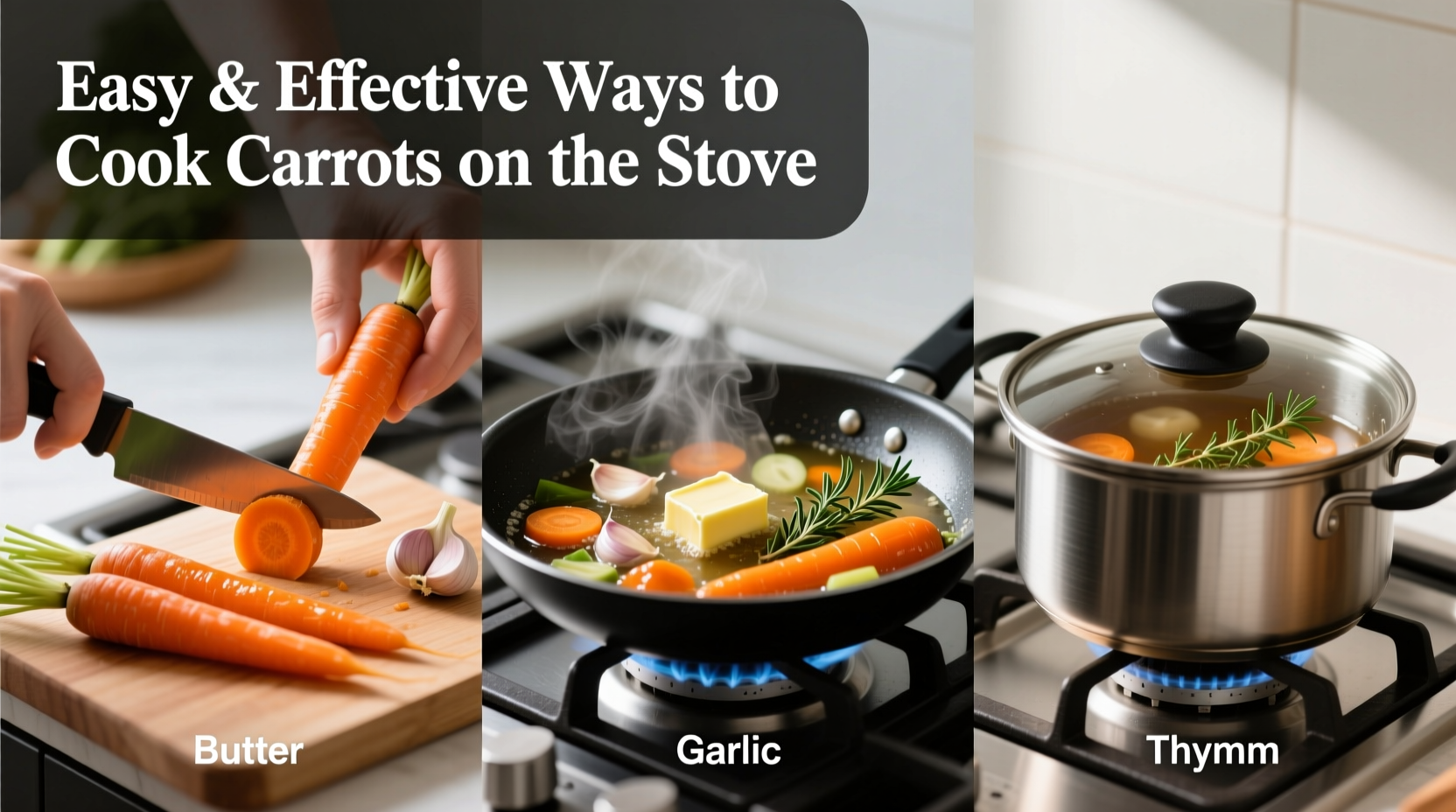
The stovetop offers unmatched versatility. Boiling, steaming, sautéing, and simmering are all accessible with basic kitchen equipment. These techniques allow you to adjust textures—from crisp-tender to meltingly soft—and layer flavors using fats, herbs, and seasonings. Because heat is applied directly and evenly, stovetop cooking often yields more consistent results than other methods.
Carrots are rich in beta-carotene, fiber, and antioxidants. Cooking them actually increases the bioavailability of certain nutrients, especially when paired with a small amount of fat. Stovetop preparation makes it easy to incorporate healthy oils like olive or avocado oil, boosting both nutrition and taste.
Essential Tools and Ingredients
You don’t need fancy equipment to cook carrots well. A sharp knife, cutting board, medium saucepan or skillet, steamer basket (optional), and a fork or tongs are sufficient. For best results, use fresh, firm carrots with smooth skin. If possible, choose organic or locally grown varieties—they often have deeper flavor and better texture.
Basic ingredients include:
- Fresh carrots (peeled or scrubbed)
- Salt (enhances natural sweetness)
- Water or broth (for boiling/steaming)
- Butter, olive oil, or coconut oil (for sautéing)
- Optional flavor boosters: garlic, honey, thyme, cumin, ginger, lemon juice
Step-by-Step Guide: 4 Proven Stovetop Methods
Each method brings out different qualities in carrots. Choose based on desired texture, time available, and accompanying dishes.
1. Boiling (Fast and Simple)
- Peel and slice carrots into even rounds or sticks (¼-inch thick).
- Add to a saucepan and cover with cold water by about an inch.
- Bring to a boil over high heat, then reduce to a simmer.
- Cook for 8–12 minutes until fork-tender.
- Drain and season with salt, butter, or herbs.
2. Steaming (Nutrient-Preserving)
- Fill a pot with 1–2 inches of water and insert a steamer basket.
- Bring water to a simmer.
- Add sliced carrots to the basket, cover with a lid.
- Steam for 10–15 minutes, checking tenderness with a fork.
- Remove, drizzle with olive oil, and season.
Steaming preserves more vitamins than boiling because the carrots don’t leach nutrients into water. It also maintains a firmer bite, ideal for salads or grain bowls.
3. Sautéing (Flavor-Rich and Quick)
- Heat 1–2 tablespoons of oil or butter in a skillet over medium heat.
- Add sliced or julienned carrots.
- Cook for 8–10 minutes, stirring occasionally.
- For faster cooking, add 2–3 tablespoons of water, cover, and steam briefly (called “par-sautéing”).
- Uncover, let excess moisture evaporate, and finish with herbs or citrus zest.
Sautéing develops depth through gentle browning and allows direct infusion of aromatics like minced garlic or fresh thyme.
4. Simmering in Broth (Savory and Aromatic)
- In a saucepan, combine carrots with enough broth to partially cover (about ½ cup per cup of carrots).
- Add spices such as cumin, coriander, or bay leaf.
- Simmer covered for 12–18 minutes until tender.
- Reduce liquid slightly for a light glaze.
- Season with black pepper and fresh parsley before serving.
This method infuses carrots with savory complexity, making them ideal for pairing with meats or legumes.
Comparison Table: Cooking Methods at a Glance
| Method | Time | Texture | Best For | Nutrition Notes |
|---|---|---|---|---|
| Boiling | 8–12 min | Soft, uniform | Mashing, pureeing, simple sides | Moderate nutrient loss to water |
| Steaming | 10–15 min | Crisp-tender | Salads, healthy sides | High nutrient retention |
| Sautéing | 8–12 min | Tender with slight bite | Stir-fries, glazed sides | Enhanced absorption of fat-soluble vitamins |
| Simmering in Broth | 12–18 min | Rich, savory, tender | Hearty dishes, soups | Flavor-infused; retains most nutrients |
Expert Insight: Why Technique Matters
“Cooking carrots properly isn’t just about doneness—it’s about unlocking flavor and nutrition. Gentle heat and a bit of fat make all the difference in how your body absorbs key nutrients.” — Dr. Lena Torres, Culinary Nutrition Scientist
Dr. Torres emphasizes that cooking carrots increases the availability of beta-carotene, which the body converts to vitamin A. However, excessive boiling can leach water-soluble vitamins like B and C. Her recommendation? Steam or sauté with a touch of oil to maximize health benefits without sacrificing taste.
Real Example: How One Home Cook Transformed Her Side Dishes
Sarah, a working parent from Portland, used to rely on frozen microwaveable vegetables for speed. After trying stovetop sautéed carrots with garlic and thyme, she noticed her family ate more vegetables and asked for seconds. “I realized I could cook fresh carrots in the same time it took to microwave a bag,” she said. Now, she preps a batch weekly, storing them in the fridge to reheat or add to omelets and grain bowls. The switch improved both meal quality and confidence in her cooking.
Checklist: Mastering Stovetop Carrot Cooking
- ✔ Wash and peel carrots (or scrub well if leaving skin on)
- ✔ Cut into uniform sizes for even cooking
- ✔ Choose the right method for your meal (boil, steam, sauté, simmer)
- ✔ Use salt and fat to enhance flavor and nutrient uptake
- ✔ Test for doneness with a fork—aim for tender but not mushy
- ✔ Finish with fresh herbs, citrus, or spices for brightness
Frequently Asked Questions
Can I cook carrots without peeling them?
Yes. If carrots are young and freshly harvested, scrubbing them thoroughly is sufficient. Unpeeled carrots retain more fiber and nutrients. Just ensure they’re free of dirt and blemishes.
How do I prevent carrots from becoming mushy?
Avoid overcooking. Start checking tenderness after 8 minutes. When boiling or steaming, remove from heat as soon as a fork pierces them easily. For sautéing, keep the heat at medium to avoid rapid breakdown.
What’s the best way to reheat cooked carrots?
Reheat gently in a skillet over low heat with a splash of water or broth to restore moisture. Microwaving can make them rubbery or overly soft.
Final Thoughts and Next Steps
Cooking carrots on the stove is more than a basic skill—it’s a gateway to flavorful, nourishing meals with minimal effort. Once you understand the core techniques, you can adapt them endlessly: add maple syrup for a sweet glaze, toss with cumin and cilantro for a Middle Eastern twist, or blend steamed carrots into creamy soups. The simplicity of the process makes it sustainable, even on the busiest days.




 浙公网安备
33010002000092号
浙公网安备
33010002000092号 浙B2-20120091-4
Comments
No comments yet. Why don't you start the discussion?