
Fried eggs are one of the simplest foods to prepare, yet achieving consistent perfection—golden yolks, evenly cooked whites, and just the right texture—can be surprisingly elusive. Many home cooks settle for rubbery edges or undercooked centers simply because they haven’t mastered the small but critical details that separate a good fried egg from a great one. With the right tools, temperature control, and technique, you can turn this humble ingredient into a restaurant-quality staple every time.
The key isn’t complexity—it’s precision. From choosing the right pan to understanding heat dynamics, each step influences the final result. Whether you prefer sunny-side up, over-easy, or crispy-edged \"lacy\" style, this guide breaks down the optimal method for flawless fried eggs, backed by culinary science and real-world testing.
Choose the Right Equipment
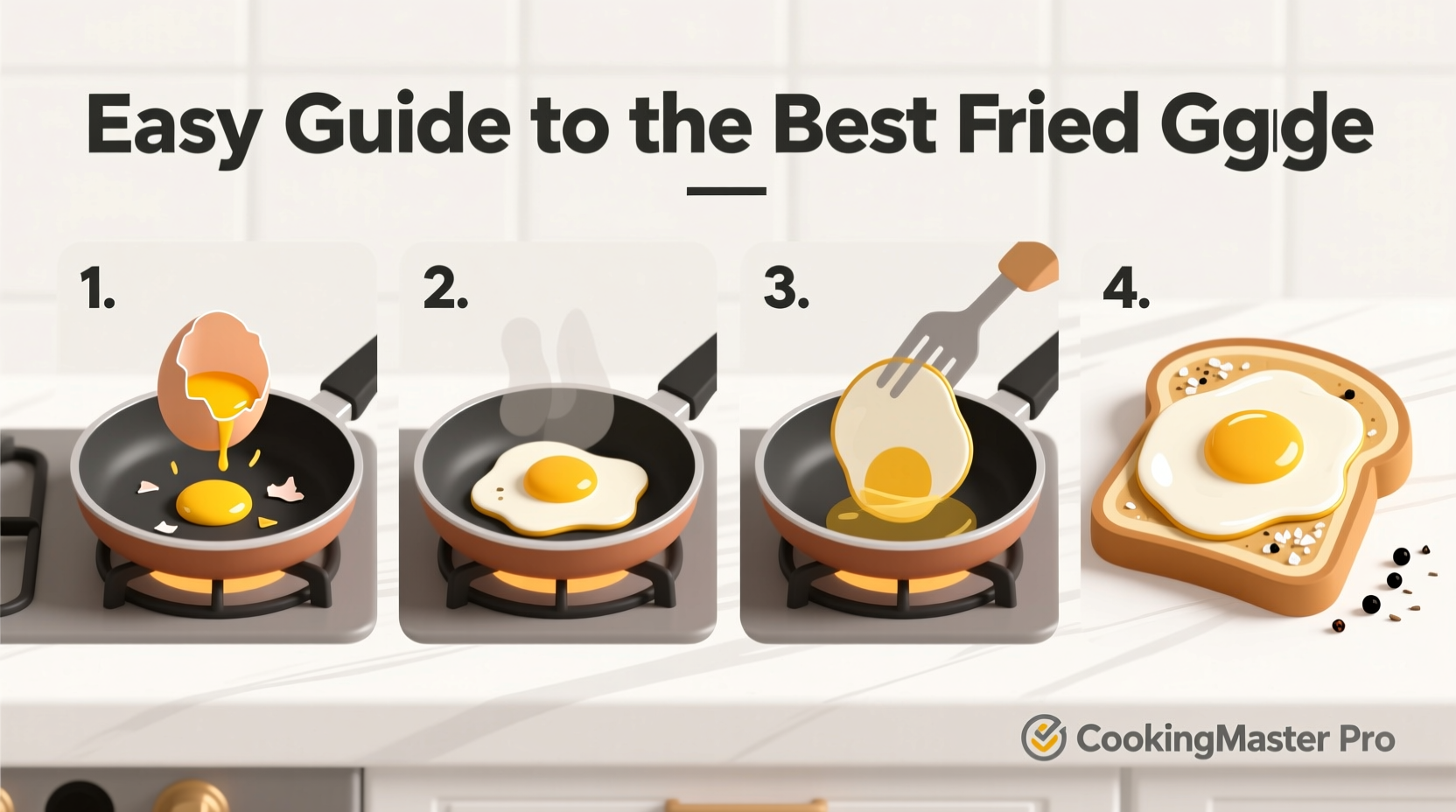
The foundation of a perfectly fried egg starts with your cookware. Not all pans are created equal when it comes to delicate proteins like eggs.
- Nonstick skillet: Ideal for beginners and those who want effortless release without added fat. Look for a high-quality PTFE-coated or ceramic nonstick pan.
- Cast iron: Excellent heat retention and natural nonstick properties when properly seasoned. Best for achieving crisp edges.
- Carbon steel: Lightweight alternative to cast iron, develops a great patina over time, and heats evenly.
Avoid using stainless steel unless you're highly experienced—the surface tends to stick unless heated precisely and oiled correctly.
The Step-by-Step Method for Perfect Fried Eggs
Follow this timeline-tested process to achieve consistently excellent results, regardless of your preferred doneness level.
- Start with room-temperature eggs. Cold eggs shock the pan, causing whites to spread unevenly and cook inconsistently. Take them out 15–20 minutes before cooking.
- Preheat the pan over medium-low heat. High heat scorches the bottom before the top sets. Medium-low allows even heat distribution.
- Add fat wisely. Use 1/2 tablespoon of butter, olive oil, or a blend. Butter adds flavor; oil raises smoke point. For lacy edges, use only oil.
- Let the fat heat until shimmering—but not smoking. This ensures immediate searing without burning.
- Crack the egg into a small bowl first. Prevents shell fragments and allows gentle transfer, preserving yolk integrity.
- Slide the egg gently into the pan. Pour slowly near the surface to minimize white dispersion.
- Adjust heat as needed. If edges sizzle violently, reduce heat slightly. The goal is steady, quiet sizzling.
- Cook uncovered for sunny-side up, or cover briefly for basted yolks (steam helps set the top without flipping).
- Flip carefully for over-easy or over-medium. Use a thin spatula and swift motion. Flip only once.
- Transfer immediately after cooking. Residual heat continues to cook the egg, so plate it right away.
Doneness Guide: Visual Cues Over Time
| Style | Cook Time (Seconds) | Yolk Texture | White Condition |
|---|---|---|---|
| Sunny-Side Up | 150–180 | Runny, warm center | Firm but not browned |
| Basted | 120 + 30 covered | Slightly thickened | Firm, opaque throughout |
| Over-Easy | 90 + 30 flipped | Runny inside, lightly set exterior | Firm on both sides |
| Over-Medium | 120 + 45 flipped | Creamy, partially set | Light golden edges |
| Crispy Lacy | 240+ on low oil | Firm or soft, depending on preference | Frilly, browned edges |
Avoid These Common Mistakes
Even experienced cooks fall into traps that compromise egg quality. Recognizing these pitfalls is half the battle.
- Using high heat: Causes rapid browning on the bottom while leaving whites watery on top.
- Overcrowding the pan: Lowers temperature and steams rather than fries the eggs.
- Stirring or prodding: Disrupts the delicate structure of the yolk and white.
- Skipping preheating: Leads to sticking and uneven texture.
- Adding salt too early: Can break down proteins and cause weeping. Season after plating.
“Temperature control is everything with eggs. A few degrees can mean the difference between silkiness and rubber.” — Chef Marcus Chen, Culinary Instructor at Pacific Heights Cooking School
Real-World Example: From Frustration to Mastery
Sarah, a working parent in Denver, used to dread making breakfast. Her eggs either stuck, broke, or came out greasy. After switching to a carbon steel pan and following the room-temperature egg rule, her success rate jumped dramatically. She now uses the basting method—adding a teaspoon of water and covering the pan for 30 seconds—to achieve fully set whites with custardy yolks, ideal for packing in her kids’ lunches. “I didn’t realize how much technique mattered,” she says. “Now I get compliments on my ‘café-style’ eggs.”
Pro Tips for Specific Results
Quick Checklist: Before You Start Cooking
- ☑ Eggs at room temperature?
- ☑ Pan selected and clean?
- ☑ Heat set to medium-low?
- ☑ Fat added and shimmering?
- ☑ Bowl ready for cracking?
- ☑ Spatula and plate nearby?
Frequently Asked Questions
Can I make perfect fried eggs without butter?
Absolutely. Use a neutral oil with a high smoke point, such as avocado or grapeseed oil. Olive oil works well for flavor, though strong extra virgin varieties may overpower the egg.
Why do my egg whites stay runny even after cooking?
This usually happens due to high moisture content in fresh eggs or cooking at too low a temperature. Ensure your pan is properly preheated and avoid covering unless intentionally steaming. Older eggs have tighter whites and may be easier to cook firmly.
Is it safe to eat runny yolks?
For healthy adults, yes. The USDA confirms that consuming eggs with runny yolks is safe if the eggs are fresh, stored properly, and cooked to kill surface bacteria. Pregnant individuals, young children, older adults, or immunocompromised people should opt for fully cooked yolks.
Master the Basics, Elevate Every Meal
Perfect fried eggs aren’t reserved for chefs or brunch specialists. They’re within reach of anyone willing to apply attention to detail and consistency. Once you’ve nailed the fundamentals—pan choice, temperature, timing, and handling—you’ll find yourself adding expertly cooked eggs to salads, grain bowls, sandwiches, and more. It’s a small skill with massive ripple effects in the kitchen.




 浙公网安备
33010002000092号
浙公网安备
33010002000092号 浙B2-20120091-4
Comments
No comments yet. Why don't you start the discussion?