
Toothpaste is a daily essential, but when it splatters onto your favorite shirt or blouse, it can leave behind an unsightly white residue that looks more like dried paint than dental hygiene. While toothpaste isn’t inherently damaging to fabrics, its abrasive ingredients, fluoride, and binding agents can bond with fibers—especially on delicate materials—making the stain stubborn if not treated promptly. The good news is that most toothpaste stains are removable using common household items and gentle techniques. With the right approach, you can restore your garment without fading, shrinking, or weakening the fabric.
Understanding Toothpaste Stains
Toothpaste stains aren't just cosmetic; they're a combination of water-insoluble compounds such as silica (for abrasion), titanium dioxide (for whiteness), and humectants like glycerin that help retain moisture. These components can cling tightly to fabric fibers, particularly in synthetic blends or tightly woven textiles. When left untreated, the paste dries and hardens, making mechanical removal difficult and increasing the risk of spreading the stain during washing.
The key to successful removal lies in acting quickly and choosing a method suited to the fabric type. Delicate silks and wool react poorly to harsh scrubbing or strong solvents, while cotton and polyester tolerate more aggressive treatment. Always check the garment’s care label before applying any cleaning solution.
“Immediate attention is critical. The longer a toothpaste stain sets, the harder it becomes to lift without risking fabric damage.” — Dr. Lena Peterson, Textile Care Specialist, University of Massachusetts Amherst
Step-by-Step Guide to Removing Fresh Toothpaste Stains
Fresh stains respond best to immediate action. Follow this timeline for optimal results:
- Blot, don’t rub: Use a clean, dry cloth or paper towel to gently lift excess toothpaste from the surface. Rubbing pushes the paste deeper into the fibers.
- Rinse from the back: Hold the stained area under cool running water, flushing the stain from the reverse side. This helps push the residue out rather than further in.
- Pre-treat with dish soap: Apply a drop of clear liquid dish soap (like Dawn) directly to the stain. Gently work it in with your fingertips or a soft-bristled brush.
- Soak for 15–30 minutes: Submerge the garment in a basin of cool water mixed with mild detergent. Avoid hot water, which can set proteins and bind residues.
- Check and launder: After soaking, inspect the area. If the stain is gone, wash normally. If traces remain, repeat pre-treatment before machine washing.
Effective Home Remedies for Set-In Stains
If the stain has dried or survived a previous wash cycle, household staples can still rescue the fabric. Below are three proven remedies, ranked by fabric safety and effectiveness.
Vinegar and Baking Soda Paste
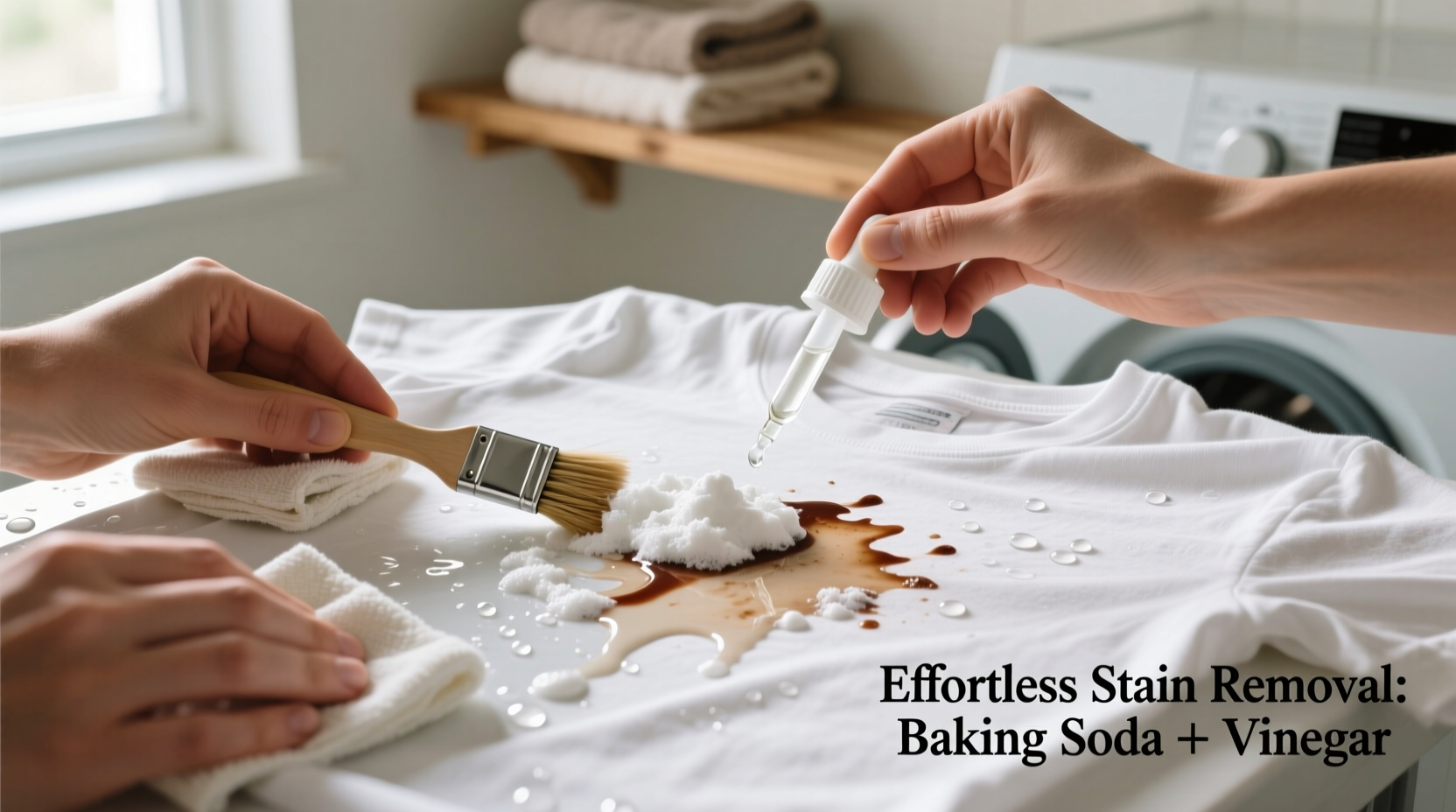
Mix two tablespoons of baking soda with one tablespoon of white vinegar to form a thick paste. Apply to the stain and let sit for 20 minutes. The mild abrasiveness of baking soda lifts residue, while vinegar dissolves mineral deposits. Rinse thoroughly and launder as usual. Best for cotton, linen, and durable synthetics.
Hydrogen Peroxide Solution (for whites only)
Dilute 3% hydrogen peroxide with equal parts water. Dab onto the stain and wait 10 minutes. Blot with a damp cloth. This method breaks down organic binders in toothpaste and brightens discoloration. Do not use on colored or delicate fabrics—it may cause bleaching.
Isopropyl Alcohol (for synthetic blends)
Apply a small amount of 70% rubbing alcohol to a cotton ball and dab around the edges of the stain, working inward. Alcohol dissolves glycerin and polymers found in gel-based pastes. Blot frequently with a clean cloth. Rinse well afterward to prevent residue buildup.
| Method | Suitable Fabrics | Time Required | Risk Level |
|---|---|---|---|
| Dish soap + water soak | All (except dry-clean-only) | 30 minutes | Low |
| Vinegar-baking soda paste | Cotton, polyester, denim | 25 minutes | Medium (test first on silk/wool) |
| Hydrogen peroxide (diluted) | White cotton, linens | 15 minutes | High (avoid colors/delicates) |
| Isopropyl alcohol | Synthetics, blends | 20 minutes | Medium (ventilate area) |
Mini Case Study: Saving a Silk Blouse After Morning Rush Mishap
Sarah, a marketing executive, accidentally flicked mint-flavored toothpaste onto her cream silk blouse while getting ready for a client meeting. She tried wiping it with a wet tissue, which only smeared the paste. Realizing she couldn’t wear it, she placed it in cold water with a teaspoon of gentle shampoo (intended for hair, but pH-balanced for protein fibers). After 45 minutes of soaking, she rinsed it under cool water and noticed the stain had faded significantly. A second rinse with diluted white vinegar (1 part vinegar to 4 parts water) removed the last trace. The blouse was air-dried flat and steamed lightly before wearing—no damage, no discoloration.
This case highlights the importance of using mild surfactants and avoiding heat when treating delicate fabrics. Protein-based fibers like silk and wool are especially vulnerable to alkaline substances and agitation.
Do’s and Don’ts of Toothpaste Stain Removal
- Do act immediately—within minutes makes a major difference.
- Do test any solution on an inconspicuous seam or hem first.
- Do rinse from the back of the fabric to push the stain out.
- Don’t use hot water—it sets the stain.
- Don’t scrub aggressively—this damages fibers and spreads the stain.
- Don’t put the garment in the dryer until the stain is fully gone. Heat permanently sets residues.
Checklist: Quick Action Plan for Toothpaste Stains
- Blot excess paste with a dry cloth.
- Hold fabric under cool running water from the back.
- Apply a drop of liquid dish soap.
- Soak in cool, soapy water for 15–30 minutes.
- Inspect—repeat if needed.
- Wash according to care label (cold water recommended).
- Air-dry and check again before storing or wearing.
FAQ
Can I use toothpaste to clean other stains?
No, despite internet hacks suggesting toothpaste removes scuffs or ink, it's not designed for fabric cleaning. Its abrasives and additives can leave new stains or degrade material over time.
What if the stain turns yellow after treatment?
Yellowing may occur if hydrogen peroxide was used on protein fibers or if residual glycerin oxidized. Try soaking in a mixture of one quart lukewarm water and one tablespoon of color-safe oxygen bleach (like OxiClean) for 30 minutes. Rinse thoroughly.
Are natural toothpastes easier to remove?
Often yes. Natural brands typically avoid titanium dioxide and synthetic binders, relying on simpler ingredients like baking soda and essential oils. These tend to rinse out more easily and are less likely to leave a chalky film.
Conclusion: Protect Your Clothes Without Panic
Toothpaste stains are common but rarely permanent. By understanding the composition of both the stain and the fabric, you can choose a safe, effective method that preserves your clothing’s integrity. Whether you’re dealing with a child’s pajamas or a professional blouse, the principles remain the same: act fast, treat gently, and avoid heat. Most importantly, don’t resort to harsh chemicals or scrubbing—precision and patience yield better results than force.




 浙公网安备
33010002000092号
浙公网安备
33010002000092号 浙B2-20120091-4
Comments
No comments yet. Why don't you start the discussion?