
Ink stains on clothing are among the most common yet frustrating laundry mishaps. Whether it's a leaky pen in your pocket or a child’s creative moment with markers, ink can spread quickly and set deeply into fabric fibers. The good news is that many ink stains—especially when treated promptly—can be removed safely and effectively without harming your garments. With the right approach, household products, and fabric awareness, you can restore your clothes to their original condition.
Understanding Ink Stain Types and Fabric Sensitivity
Not all ink is the same, and neither are fabrics. Ballpoint pen ink, marker ink, printer toner, and fountain pen ink each have different chemical compositions. Most modern pens use oil-based or gel-based inks, which bind strongly to fabric but respond well to solvent-based treatments. On the other hand, water-based inks (like those in some highlighters) may lift more easily with water and detergent.
Fabric type plays an equally critical role. Delicate materials like silk or wool require gentler methods than durable cotton or polyester blends. Treating a silk blouse the same way as a denim jacket could lead to discoloration, weakening of fibers, or permanent damage.
“Immediate action and proper product selection are key. The longer ink sits, the harder it becomes to remove—especially on synthetic blends.” — Dr. Lena Peterson, Textile Chemist at the Institute of Fabric Care
Step-by-Step Guide to Removing Fresh Ink Stains
Fresh ink stains are significantly easier to treat than dried ones. Follow this timeline for best results:
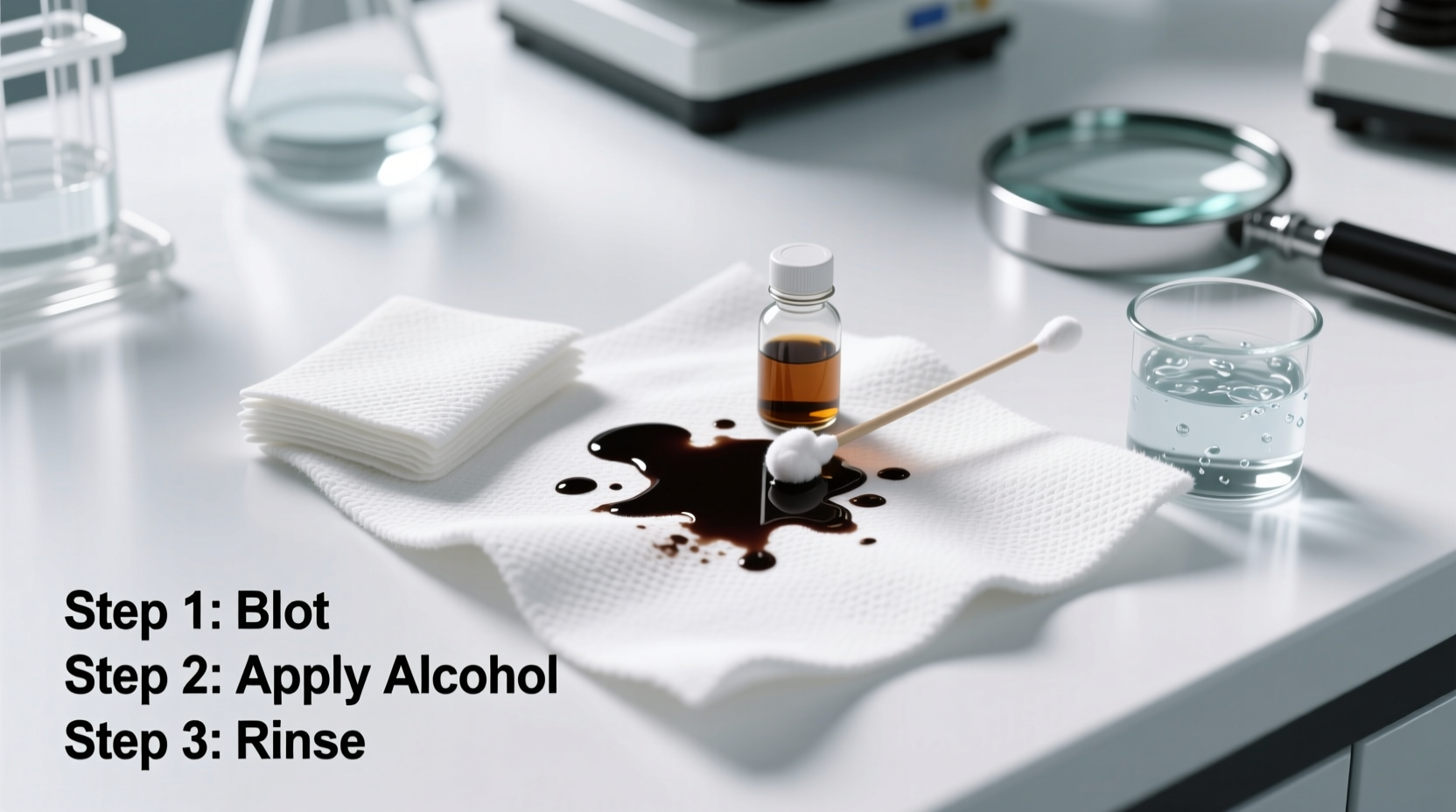
- Blot Immediately: Use a clean, dry cloth or paper towel to gently absorb excess ink. Do not rub, as this spreads the stain.
- Place a Barrier: Slide a paper towel or clean rag under the stained area to prevent ink from transferring to the other side of the fabric.
- Apply Rubbing Alcohol (Isopropyl Alcohol): Dampen a cotton ball or swab with 70% isopropyl alcohol. Gently dab the stain from the outside in to avoid spreading.
- Blot and Repeat: As the ink transfers to the cotton ball, switch to a clean section frequently. Continue until no more ink lifts.
- Rinse with Cold Water: Hold the fabric under cold running water to flush out residual alcohol and ink.
- Wash Normally: Launder the garment according to its care label using regular detergent. Air dry and inspect before machine drying—heat can set any remaining stain.
This method works especially well on cotton, linen, and synthetic blends. For delicate fabrics, reduce alcohol concentration by mixing one part alcohol with two parts water.
Alternative Household Solutions for Stubborn or Dried Stains
If the stain has dried or wasn’t caught immediately, don’t give up. Several accessible household items can help break down ink over time:
- Hairspray: Many aerosol hairsprays contain alcohol. Spray directly onto the stain, let sit for 30 seconds, then blot. Works best on cotton and polyester.
- Nail Polish Remover (Acetone-Free): Only use acetone-free versions on washable fabrics. Acetone can dissolve synthetic fibers. Apply sparingly with a cotton pad.
- Milk Soak: Submerge the stained area in whole milk for several hours or overnight. Milk proteins can slowly draw out ink. Rinse and launder afterward.
- Hand Sanitizer: Contains alcohol and glycerin. Apply, wait 10 minutes, then blot and rinse. Ideal for on-the-go emergencies.
Do’s and Don’ts When Treating Ink Stains
| Do’s | Don’ts |
|---|---|
| Act quickly—treat within minutes if possible | Rub or scrub the stain aggressively |
| Use cold water (hot water sets stains) | Use hot water during initial treatment |
| Test cleaning agents on hidden seams | Apply undiluted bleach or acetone directly |
| Blot from the outer edge inward | Place in dryer until stain is fully gone |
| Use alcohol-based products on washable fabrics | Ignore care labels or fiber content |
Real Example: Removing Ink from a Child’s School Uniform
Sarah, a mother of two in Portland, noticed blue ink staining her 8-year-old’s white cotton polo shirt after school. The ink had seeped through the pocket and bled onto the front panel. Instead of tossing the shirt, she followed these steps:
She placed a folded paper towel inside the shirt beneath the stain, then applied rubbing alcohol with a cotton ball. After five minutes of gentle dabbing, the ink began lifting. She rinsed the area under cold water, applied liquid laundry detergent directly to the spot, and washed the shirt in cold water. After air-drying, the stain was completely gone. The shirt remained wearable for months afterward.
This case illustrates how prompt action and correct technique can save everyday garments—even under pressure.
Checklist: Quick Reference for Ink Stain Removal
- ✅ Blot excess ink with a dry cloth
- ✅ Place absorbent material under the stain
- ✅ Test treatment on a hidden area
- ✅ Apply alcohol-based solution (rubbing alcohol, hand sanitizer, hairspray)
- ✅ Dab gently—don’t rub
- ✅ Rinse thoroughly with cold water
- ✅ Wash according to garment care instructions
- ✅ Air dry and inspect before machine drying
- ✅ Repeat if necessary before final drying
Frequently Asked Questions
Can I use vinegar to remove ink stains?
Vinegar alone is not effective against most ink stains. While it’s useful for odor and mild stains, it lacks the solvent strength needed to break down ink pigments. However, combining vinegar with baking soda may offer mild abrasive action, but results are inconsistent. Stick to alcohol-based solutions for reliable outcomes.
What should I do if the ink stain is on silk or wool?
Delicate fabrics require extra caution. Avoid alcohol and acetone entirely. Instead, take the garment to a professional dry cleaner as soon as possible. If immediate cleaning is necessary, use a tiny amount of mild dish soap diluted in cold water, gently dab the area, and rinse immediately. Never soak silk or wool in solvents.
Will toothpaste remove ink from clothes?
Despite popular myths, toothpaste is not recommended for ink removal. It contains abrasives and dyes that may damage fabric or set the stain further. Some users report success with white toothpaste, but this is inconsistent and risks discoloration—especially on dark fabrics.
Conclusion: Save Your Clothes with Smart, Gentle Care
Ink stains don’t have to mean the end of a favorite shirt, blouse, or uniform. By understanding fabric types, acting quickly, and using proven, gentle methods, you can effectively remove ink without causing harm. The key lies in patience, precision, and avoiding harsh chemicals that compromise fabric integrity. Whether you're dealing with a fresh spill or an old, set-in mark, the right technique makes all the difference.




 浙公网安备
33010002000092号
浙公网安备
33010002000092号 浙B2-20120091-4
Comments
No comments yet. Why don't you start the discussion?