
For many, mascara is a daily essential—a single swipe transforming tired eyes into bold, expressive ones. But behind the promise of fluttery lashes lies a hidden concern: conventional mascaras often contain synthetic chemicals linked to irritation, hormonal disruption, and long-term health risks. As awareness grows about what we put on our skin—and especially near our eyes—consumers are turning to non toxic alternatives that deliver performance without compromise. The challenge? Finding formulas that are truly clean, safe, and effective.
Unlike skincare, where ingredient transparency has made significant strides, eye makeup still lags in regulation. The U.S. Food and Drug Administration (FDA) does not pre-approve cosmetic ingredients, leaving consumers responsible for vetting products themselves. This makes understanding labels, avoiding harmful substances, and identifying trustworthy brands more important than ever.
Why Choose Non Toxic Mascara?
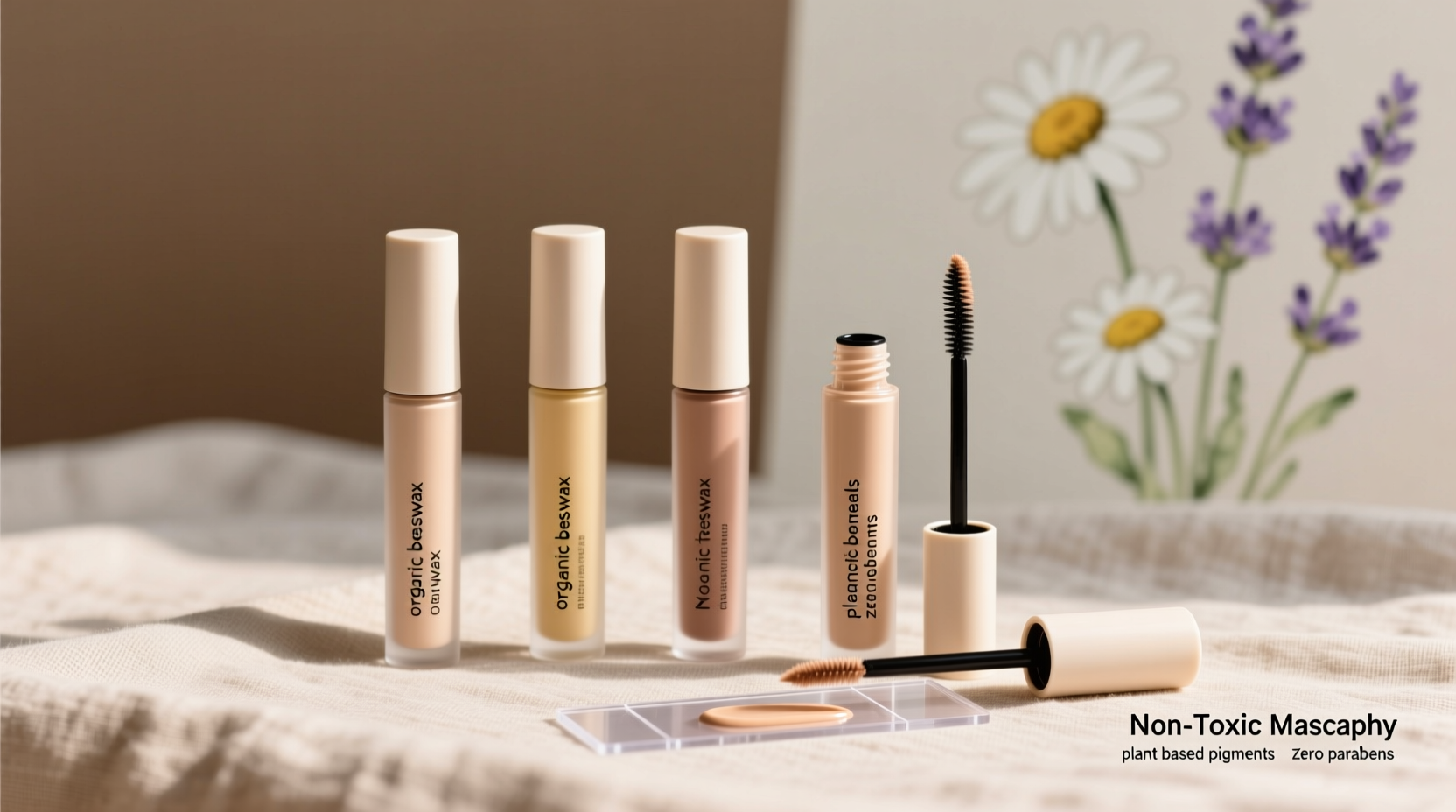
The delicate skin around the eyes absorbs ingredients quickly, and with frequent application—sometimes twice daily—mascara use becomes a repeated exposure. Common ingredients in traditional formulas include parabens, phthalates, formaldehyde-releasing preservatives, coal tar dyes, and synthetic fragrances. These have been associated with allergic reactions, dryness, lash breakage, and endocrine disruption.
Non toxic mascaras eliminate these concerns by using plant-based waxes, natural pigments, and biodegradable polymers. They’re typically free from petroleum derivatives and volatile organic compounds (VOCs), reducing environmental impact as well. For contact lens wearers, those with sensitive eyes, or anyone prioritizing holistic wellness, switching to a clean formula can mean fewer irritations, healthier lashes, and peace of mind.
“Clean beauty isn’t just a trend—it’s a shift toward personal accountability and long-term health. When it comes to products used near the eyes, minimizing chemical load should be a priority.” — Dr. Lena Patel, Dermatologist & Cosmetic Safety Researcher
What Makes a Mascara Truly Non Toxic?
Not all “clean” mascaras are created equal. Marketing terms like “natural,” “organic,” or “chemical-free” are largely unregulated and can mislead even cautious shoppers. A genuinely non toxic mascara meets several criteria:
- No synthetic preservatives: Avoid methylisothiazolinone, parabens, and DMDM hydantoin.
- Free from endocrine disruptors: Exclude phthalates and triclosan.
- Plant-derived pigments: Use iron oxides instead of carbon black or FD&C dyes.
- Gentle conditioning agents: Include ingredients like shea butter, jojoba oil, or panthenol.
- Transparent sourcing: Brands disclose ingredient origins and manufacturing practices.
Top 5 Recommended Non Toxic Mascaras
After evaluating over 30 clean beauty brands based on ingredient integrity, user feedback, and performance, these five stand out for their balance of safety, wearability, and lash-enhancing results.
| Brand & Product | Key Features | Lash Benefit | Price Range |
|---|---|---|---|
| RMS Beauty Volumizing Mascara | Organic beeswax base, coconut oil, no synthetic preservatives | Volume + separation | $32 |
| Ilia Limitless Lash Mascara | Peptide-infused, vegan, EWG Verified | Length + lift | $34 |
| Kosas Major Mascara | Plastic-free tube, 98% natural origin, ophthalmologist-tested | Curl + fullness | $29 |
| Pacifica Stellar Gaze Length & Strength | Fully vegan, infused with bamboo extract, affordable | Length + lash health | $14 |
| Alima Pure Natural Definition Mascara | Minimalist formula, only 7 ingredients, gluten-free | Natural definition | $22 |
Each of these performs reliably across different lash types and sensitivities. RMS Beauty excels for those seeking rich pigment without flaking; Ilia offers a water-resistant option ideal for humid climates; Kosas impresses with its sustainable packaging; Pacifica delivers value without sacrificing ethics; Alima Pure suits minimalists wanting bare-bones simplicity.
How to Transition Safely to Non Toxic Mascara
Switching to a clean mascara isn't just about buying a new tube—it's about adjusting expectations and usage habits. Natural waxes behave differently than synthetic polymers, so some trial and error is normal. Follow this step-by-step guide for a smooth transition:
- Remove old product completely: Discard any mascara older than three months to avoid bacterial buildup during the switch.
- Cleanse gently: Use a fragrance-free micellar water or oil-based remover to dissolve residue without stripping natural oils.
- Start with one coat: Layering too much too soon can cause clumping. Clean formulas build gradually.
- Allow drying time: Reapply after 60 seconds if extra volume is desired.
- Monitor lash health: After four weeks, assess whether lashes appear stronger, less brittle, or less prone to fallout.
“I switched to clean mascara after years of chronic eyelid irritation. Within two weeks, my redness decreased significantly. It wasn’t until I eliminated the phthalates in my routine that I realized they were the culprit.” — Sarah T., educator and clean beauty advocate
Common Myths About Non Toxic Mascara Debunked
Misinformation often discourages people from trying safer options. Let’s clarify the facts:
- Myth: Clean mascaras don’t last. Reality: Many now offer 12+ hour wear. Check for water-resistant labeling and proper storage (cool, dry place).
- Myth: They’re all expensive. Reality: While premium brands exist, drugstore options like Pacifica and E.L.F. provide accessible entry points.
- Myth: Natural means weak performance. Reality: Advances in plant-based polymers allow for dramatic curl and volume without synthetic additives.
Checklist: How to Choose Your Next Mascara
Before purchasing, ask yourself these questions:
- ✅ Does the brand publish a full ingredient list online?
- ✅ Are there third-party certifications (e.g., EWG, Leaping Bunny)?
- ✅ Is the formula ophthalmologist-tested?
- ✅ Does it contain known allergens like lanolin or shellac?
- ✅ Is the packaging recyclable or refillable?
- ✅ Have users with sensitive eyes reported positive experiences?
Frequently Asked Questions
Is non toxic mascara safe for contact lens wearers?
Yes—many non toxic mascaras are specifically formulated to minimize flaking and irritation, making them ideal for contact users. Look for “ophthalmologist-tested” labels and avoid formulas with loose fibers or glitter.
How long does clean mascara last before expiring?
Most last 3–6 months after opening due to gentler preservative systems. Always check the PAO (period after opening) symbol on the package—usually a jar icon with “6M” or “12M.”
Can non toxic mascara condition my lashes over time?
Absolutely. Formulas containing nourishing oils (like castor, argan, or jojoba) and peptides support keratin strength and reduce brittleness with consistent use.
Final Thoughts
Choosing the best non toxic mascara isn’t about perfection—it’s about progress. Every switch to a cleaner formula reduces cumulative exposure to harmful substances and supports an industry moving toward greater transparency. The right product balances efficacy with integrity, enhancing your look while respecting your health.
Start small: replace your current tube when it expires, research one new brand, or test a sample size. Over time, you’ll discover which textures, brushes, and ingredients work best for your unique needs. Clean beauty isn’t a rigid standard—it’s a personal journey toward smarter, kinder choices.




 浙公网安备
33010002000092号
浙公网安备
33010002000092号 浙B2-20120091-4
Comments
No comments yet. Why don't you start the discussion?