
Flower building block toys—often made from ABS plastic with vibrant colors and interlocking designs—are beloved by children for their creative potential and tactile appeal. However, frequent handling, exposure to dust, and occasional spills can leave them grimy over time. Improper cleaning can cause fading, warping, or weakening of the blocks’ structural integrity. The key is using methods that are both effective and gentle, ensuring these toys remain safe, colorful, and durable through years of imaginative play.
Why Proper Cleaning Matters
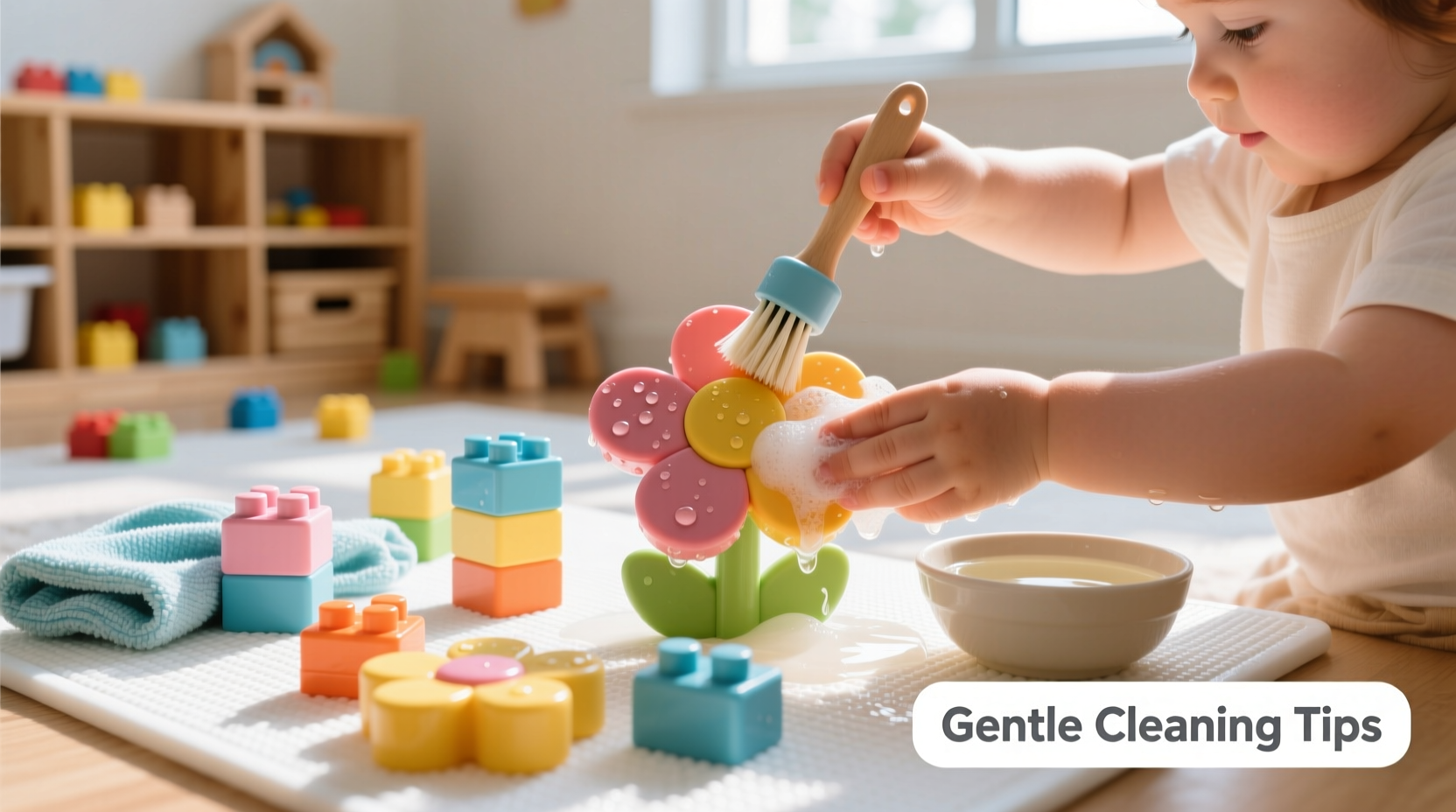
Children’s toys accumulate bacteria, skin oils, food residue, and environmental dust faster than most household items. A study by the University of Arizona found that plastic toys can harbor up to 10,000 times more bacteria than a toilet seat. For toys like flower building blocks, which are handled repeatedly and often end up in mouths, hygiene is not just about appearance—it's a health necessity.
Beyond sanitation, proper cleaning preserves material quality. Harsh chemicals or high heat can degrade ABS plastic, leading to brittleness or discoloration. Gentle, consistent care maintains the toy’s snap-fit functionality and aesthetic appeal, extending its usable life and reducing the need for replacements.
Step-by-Step Guide to Safe Hand Washing
Hand washing is the most reliable method for cleaning flower building blocks without risking damage. Follow this detailed process to ensure thorough yet gentle results.
- Disassemble completely: Separate each block to expose all surfaces. Trapped dirt between joints is common and must be addressed.
- Pre-soak (optional): Soak blocks in lukewarm water for 5–10 minutes to loosen dried-on grime.
- Prepare cleaning solution: Mix one teaspoon of mild dish soap (like Dawn or Seventh Generation) per cup of warm water. Avoid antibacterial soaps with harsh additives.
- Scrub gently: Use a soft-bristled toothbrush or microfiber cloth to clean crevices. Focus on connection points where mold or residue collects.
- Rinse thoroughly: Rinse under cool running water until no suds remain. Residual soap can attract more dirt.
- Air dry completely: Lay blocks flat on a clean towel in a well-ventilated area. Avoid direct sunlight, which may warp or fade colors.
- Reassemble only when dry: Moisture trapped inside connections can lead to mildew.
When to Use Vinegar for Disinfection
For deeper sanitization—especially after illness or outdoor play—add white vinegar to your routine. Its acetic acid content kills many bacteria and viruses without toxic residues.
Mix equal parts water and distilled white vinegar. Soak blocks for 15 minutes, then rinse thoroughly with clean water. Do not exceed 30 minutes of vinegar exposure, as prolonged contact may dull glossy finishes over time.
“Vinegar is a safe disinfectant for children’s toys when diluted properly. It breaks down naturally and doesn’t leave harmful residues.” — Dr. Lena Torres, Pediatric Environmental Health Specialist
Do’s and Don’ts of Cleaning Building Blocks
| Do’s | Don’ts |
|---|---|
| Use lukewarm water to prevent thermal shock | Use boiling water or steam cleaners |
| Clean with fragrance-free, dye-free soap | Use bleach or ammonia-based cleaners |
| Dry blocks flat and away from heat sources | Place wet blocks in sealed containers |
| Inspect regularly for cracks or wear | Put damaged or broken pieces back into playsets |
| Store in breathable fabric bins | Leave toys in damp basements or humid bathrooms |
Real Example: How One Preschool Improved Toy Hygiene
A small community preschool in Portland struggled with frequent cold outbreaks linked to shared toys. After introducing a bi-weekly cleaning protocol for all building blocks—including flower-style sets—they observed a 60% drop in absenteeism over three months.
Their system involved rotating toy sets: one group in use, another being cleaned and dried. Teachers used the hand-washing method described above, with vinegar soaks once monthly. Parents reported fewer instances of stomach bugs at home, and the school extended the lifespan of their toy inventory by nearly two years compared to previous cycles.
This case underscores that consistent, gentle cleaning isn’t just about cleanliness—it supports public health and cost-effective resource management.
Alternative Methods: When Not to Wash with Water
Some flower building block sets include paper labels, stickers, or electronic components (e.g., light-up bases). In such cases, water immersion risks damage.
- Dry cleaning with microfiber: Wipe surfaces with a dry or slightly damp microfiber cloth. Ideal for quick touch-ups.
- Compressed air: Use short bursts to remove dust from grooves and connectors.
- Alcohol wipes (70% isopropyl): Only for non-porous surfaces; avoid prolonged contact. Test on one block first.
Gentle Sanitizing Checklist
Follow this checklist to ensure every cleaning session is effective and safe:
- ☐ Sort blocks by size or set to avoid loss during cleaning
- ☐ Remove visible debris before soaking
- ☐ Use only mild, non-toxic soap
- ☐ Scrub joints and textured surfaces carefully
- ☐ Rinse until water runs clear
- ☐ Dry completely (minimum 4 hours, preferably overnight)
- ☐ Inspect for cracks, fading, or weakened connections
- ☐ Store in a clean, dry container with airflow
FAQ
Can I put flower building blocks in the dishwasher?
Only if the manufacturer explicitly states they are dishwasher-safe. Even then, place them on the top rack and skip the heated dry cycle. Most experts recommend hand washing to maintain longevity and avoid warping.
How do I remove stubborn marker stains?
Try a baking soda paste (two parts baking soda to one part water). Gently rub with a soft cloth, then rinse. For tougher marks, use a magic eraser sparingly—test on one block first, as melamine foam can scratch glossy surfaces.
Are UV sanitizing boxes safe for plastic toys?
UV-C light effectively kills germs but can degrade plastics over time, especially with repeated exposure. Use UV sanitizers occasionally, not daily. Always follow device instructions and monitor toys for signs of brittleness or fading.
Preserving Play Through Smart Care
Cleaning flower building block toys doesn’t require complicated tools or aggressive chemicals. The most effective approach combines consistency, gentle materials, and attention to detail. By integrating these practices into your routine, you protect not only the physical condition of the toys but also the health and creativity of the children who use them.
Well-maintained blocks click together smoothly, retain their bright colors, and continue inspiring imaginative play for years. Whether at home, in classrooms, or daycare centers, the effort invested in proper cleaning pays off in durability, safety, and joy.




 浙公网安备
33010002000092号
浙公网安备
33010002000092号 浙B2-20120091-4
Comments
No comments yet. Why don't you start the discussion?