
Poison ivy is one of the most common causes of allergic contact dermatitis in North America. Its oily resin, urushiol, triggers an itchy, blistering rash in up to 85% of people exposed. Whether growing along fence lines, creeping through garden beds, or climbing trees in your backyard, this persistent plant can quickly become a health hazard and landscaping nuisance. The key to managing poison ivy lies not just in removal but in doing so safely and thoroughly to prevent regrowth and human exposure. This guide outlines proven, practical methods to eliminate poison ivy with minimal risk and maximum efficiency.
Understanding Poison Ivy: What You’re Up Against
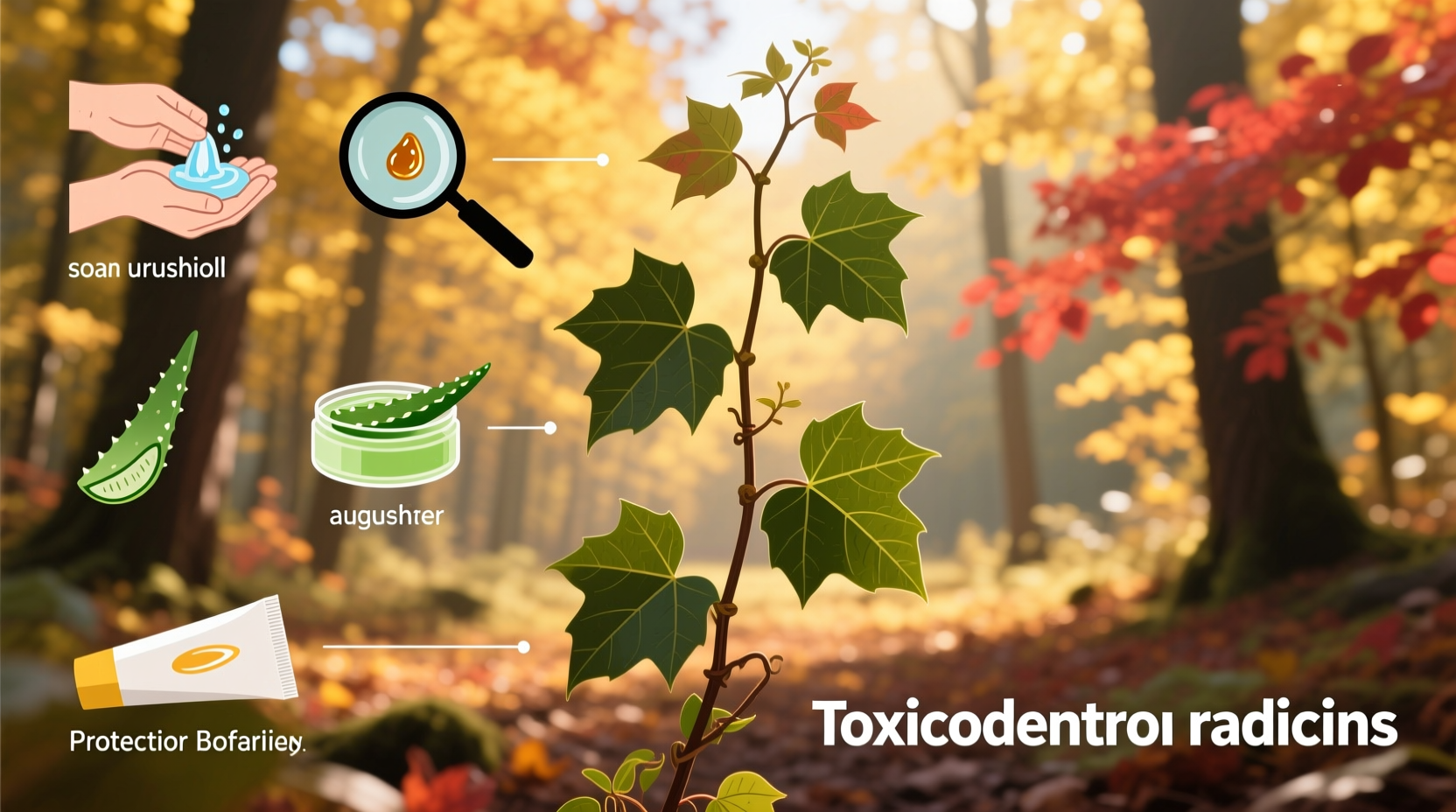
Poison ivy (Toxicodendron radicans) thrives in diverse environments—from wooded areas to suburban lawns. It typically grows as a vine or low shrub and is easily identified by its signature trio of almond-shaped leaves. In spring, the leaves may have a reddish tint; in summer, they turn green; and in fall, they blaze into yellow or red. Small greenish-white flowers appear in early summer, followed by whitish berries that birds feed on, aiding the plant’s spread.
The real danger isn’t visible—it’s the colorless, odorless oil called urushiol present in every part of the plant: leaves, stems, roots, and even dead material. Urushiol can remain active for over a year on surfaces like tools, clothing, or pet fur. Contact with as little as 1 nanogram (one billionth of a gram) can cause a reaction in sensitive individuals.
“Urushiol binds to skin proteins within minutes. Once absorbed, the immune system triggers inflammation—what we experience as the classic rash.” — Dr. Linda Harper, Dermatologist and Allergy Specialist
Safe Removal: Step-by-Step Guide
Removing poison ivy requires preparation, protective gear, and careful execution. Follow this timeline-based approach to minimize exposure and maximize effectiveness:
- Plan the Day: Choose a dry, calm day to work. Wind can carry urushiol particles, and moisture increases stickiness.
- Gear Up: Wear nitrile gloves (latex won’t block urushiol), long sleeves, pants tucked into boots, and eye protection. Consider disposable coveralls for added safety.
- Mark the Area: Identify all plants to be removed. Use flags or stakes to avoid accidental contact later.
- Dig Deep: Use a shovel to remove the entire root system. Poison ivy spreads via rhizomes—underground stems—that can regenerate if left behind.
- Bag Immediately: Place all plant material into heavy-duty trash bags. Seal them tightly and label “Poisonous – Do Not Open.”
- Clean Tools and Gear: Wipe tools with rubbing alcohol or a bleach solution (1 part bleach to 9 parts water). Wash clothes separately in hot water with detergent.
- Wash Skin: If you suspect contact, rinse exposed skin with cold water and soap within 10–30 minutes. Use a specialized cleanser like Tecnu or Zanfel for best results.
Chemical vs. Natural Elimination Methods
When deciding how to kill poison ivy, consider both effectiveness and environmental impact. Below is a comparison of common approaches:
| Method | Effectiveness | Safety | Time to Results | Best For |
|---|---|---|---|---|
| Manual Removal | High (if roots fully extracted) | Moderate (risk of exposure) | Immediate | Small patches, organic yards |
| Herbicides (e.g., glyphosate) | Very High | Low (toxic to pets/wildlife) | 7–14 days | Large infestations, non-edible zones |
| Vinegar-Based Spray | Moderate | High | 10–21 days | Light growth, eco-conscious users |
| Boiling Water | Low to Moderate | High | Several applications needed | Cracks, driveways, hardscapes |
| Solarization (plastic sheeting) | Moderate | High | 4–6 weeks | Open sunny areas |
For widespread infestations, a systemic herbicide applied to freshly cut stems or young leaves can deliver deep root kill. However, always follow label instructions and avoid spraying near edible plants or water sources.
Real-World Example: Clearing a Backyard Vine Infestation
Tom, a homeowner in upstate New York, noticed a thick vine climbing his oak tree and spreading across his lawn each spring. After two years of recurring rashes among family members, he decided to act. He first isolated the main vine and traced its path to a dense patch near the property line. Wearing full protective gear, he cut the vine at the base and immediately painted the stump with a glyphosate-based herbicide using a foam brush. Over the next three weeks, he monitored for regrowth and treated new shoots with a ready-to-use spray. Within a month, the vines above died off and were safely removed. Tom repeated spot treatments monthly and reported no re-emergence after one season. His key takeaway? Consistent follow-up was more important than the initial removal.
Prevention and Long-Term Management Checklist
Eliminating poison ivy is only half the battle. Preventing its return ensures lasting relief. Use this checklist to maintain a poison-ivy-free zone:
- ✅ Regularly inspect borders, woodlines, and shaded areas for new growth.
- ✅ Keep lawns mowed and ground cover competitive (e.g., clover, periwinkle).
- ✅ Remove bird-attracting berry bushes nearby, which may disperse seeds.
- ✅ Clean gardening tools, shoes, and pet fur after working outdoors.
- ✅ Educate children and guests on how to identify the plant (“Leaves of three, let it be”).
- ✅ Monitor treated areas for 2–3 growing seasons—roots can resprout.
Frequently Asked Questions
Can I get a rash from touching someone else’s blisters?
No. The fluid inside blisters does not contain urushiol. However, if the oil remains on skin, clothing, or surfaces, it can transfer and cause new rashes. Always wash contaminated items.
Does dead poison ivy still cause reactions?
Yes. Urushiol remains potent on dead leaves, vines, and roots for months or even years. Treat any remnants with the same caution as living plants.
Are goats or chickens safe for eating poison ivy?
Yes, certain animals—including goats, chickens, and deer—can consume poison ivy without harm. Goats are often used in eco-friendly land clearing. However, urushiol may persist in their manure, so compost must be handled carefully.
Final Thoughts and Action Plan
Getting rid of poison ivy doesn’t have to be dangerous or complicated. With the right knowledge, tools, and precautions, you can reclaim your outdoor space efficiently and safely. Start small—identify and isolate the plant, choose a method suited to your environment, and commit to follow-up. Whether you opt for manual removal, targeted herbicides, or natural alternatives, consistency and caution are your greatest allies.
Remember, prevention is ongoing. A single overlooked root can lead to a full resurgence. By combining immediate action with long-term vigilance, you protect not only your yard but also your family’s health.




 浙公网安备
33010002000092号
浙公网安备
33010002000092号 浙B2-20120091-4
Comments
No comments yet. Why don't you start the discussion?