
Dog barking is natural—it’s how canines communicate, express excitement, or alert their owners. But when barking becomes excessive, it disrupts peace at home, strains neighbor relations, and may even lead to formal complaints. The key isn’t to silence a dog entirely but to manage unwanted barking with compassion and effectiveness. Fortunately, today’s technology and behavioral science offer a range of humane tools designed to curb nuisance barking without fear, pain, or psychological harm. These modern solutions prioritize positive reinforcement, environmental awareness, and long-term behavior modification.
Understanding the Root Causes of Excessive Barking
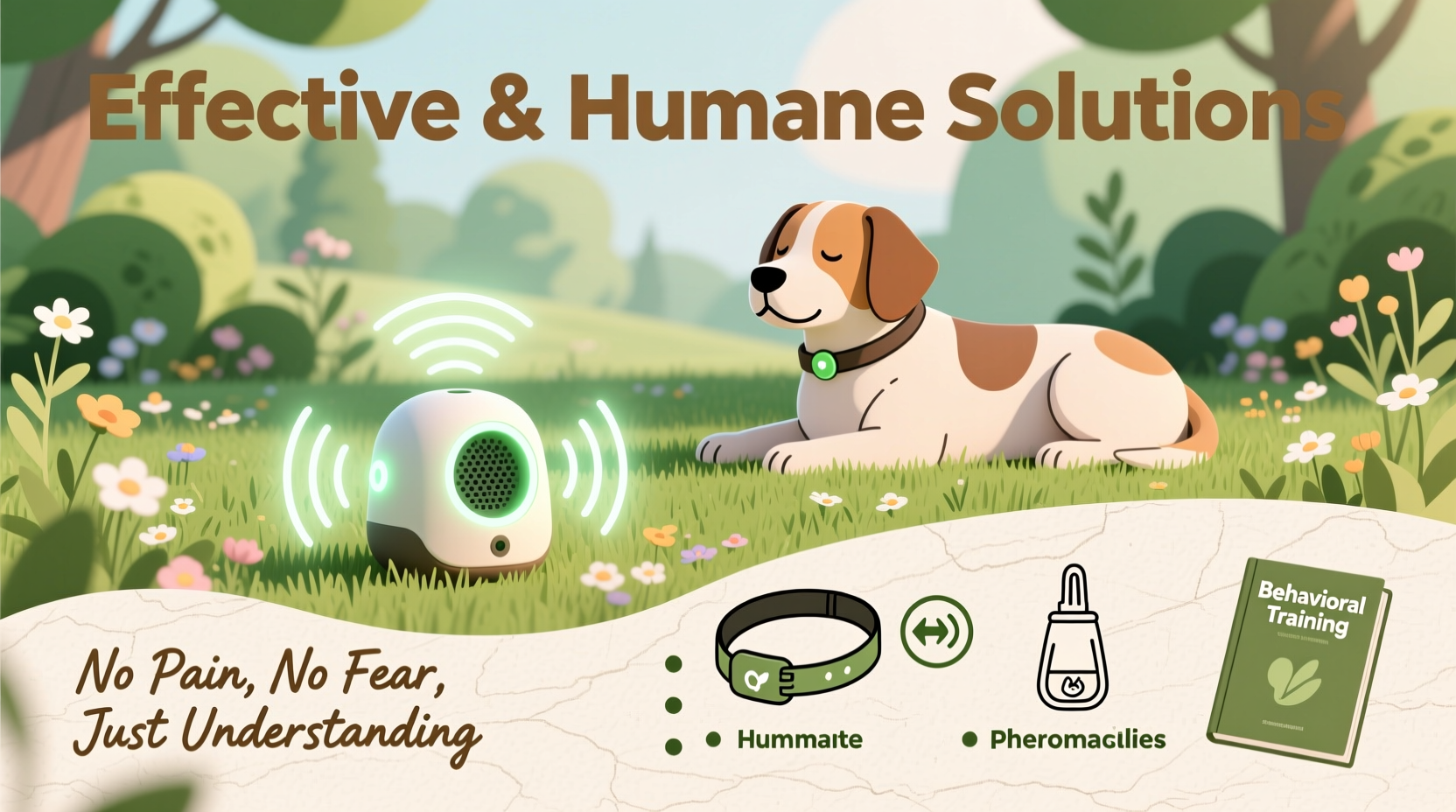
Before selecting a stop-barking device, it's essential to understand why a dog barks excessively. Common triggers include boredom, anxiety (especially separation or noise-related), territorial instincts, attention-seeking, or reacting to external stimuli like passersby or other animals. A device may suppress the symptom—barking—but only by addressing the underlying cause can lasting change occur.
For example, a dog left alone for long hours may bark from loneliness. In such cases, a bark collar alone won't resolve the issue; increased mental stimulation, companionship, or structured routines are necessary complements. Similarly, a fearful dog reacting to thunderstorms needs reassurance and desensitization, not just an interruption signal.
“Effective bark control combines tools with understanding. Devices should support training, not replace it.” — Dr. Laura Simmons, Certified Animal Behaviorist
Types of Humane Stop-Barking Devices
Modern stop-barking devices fall into several categories, each using non-harmful mechanisms to interrupt or discourage barking. The most humane options avoid aversive stimuli like electric shocks and instead rely on sound, vibration, or scent cues to redirect behavior.
- Ultrasonic Devices: Emit a high-frequency sound inaudible to humans but noticeable to dogs, disrupting barking without discomfort.
- Vibration Collars: Deliver gentle pulses when barking is detected, serving as a tactile cue rather than punishment.
- Citronella Spray Collars: Release a puff of citronella spray near the dog’s snout upon barking. Most dogs dislike the scent, which interrupts the behavior.
- Environmental Activators: Stationary units that activate when they detect barking, often combining ultrasonic tones with motion sensors to target specific areas like fences or windows.
Comparing Effectiveness and Safety: Device Breakdown
| Device Type | How It Works | Humane Rating | Best For |
|---|---|---|---|
| Ultrasonic Collar | Emits high-pitched tone when barking starts | ★★★★☆ | Dogs sensitive to sound; outdoor use |
| Citronella Spray Collar | Releases citrus-scented spray toward the dog’s face | ★★★★★ | Moderate to persistent barkers; indoor/outdoor |
| Vibration Collar | Gentle neck vibration upon bark detection | ★★★★☆ | Deaf or hearing-impaired dogs |
| Static Shock Collar | Delivers mild electric pulse | ★☆☆☆☆ | Not recommended—aversive and potentially harmful |
| Stationary Ultrasonic Repeller | Area-based deterrent activated by bark frequency | ★★★★☆ | Yard boundaries, neighbor-facing fences |
The citronella spray collar consistently ranks among the most effective and humane options in independent studies. Research published in *Applied Animal Behaviour Science* found that citronella collars reduced barking by up to 87% in test subjects, outperforming ultrasonic models while maintaining high welfare standards.
Step-by-Step Guide to Implementing a Humane Bark Control Plan
Using a stop-barking device effectively requires more than simply turning it on. Follow this five-step process to ensure ethical, lasting results:
- Observe and Identify Triggers: Spend two to three days noting when and why your dog barks. Is it the mail carrier? Other dogs? Nighttime noises?
- Rule Out Medical or Emotional Issues: Consult a veterinarian or behaviorist if barking coincides with sudden changes in behavior, pacing, or signs of distress.
- Select the Right Device: Based on your dog’s temperament and barking context, choose a humane tool. For indoor-only barking, a citronella collar may work best; for yard issues, consider a stationary repeller.
- Introduce Gradually: Let your dog wear the collar (without activation) for short periods. Pair it with treats and play to build positive associations.
- Monitor and Adjust: Use the device for no more than 8–10 hours daily. Evaluate progress weekly. If barking persists after two weeks, reevaluate triggers or seek professional help.
Real Example: Reducing Reactive Barking in a Suburban Home
Sarah, a pet owner in Austin, struggled with her two-year-old Border Collie, Max, who barked aggressively at passersby through the front window. After consulting a trainer, she installed a stationary ultrasonic repeller near the window and used light-blocking curtains to limit visual stimuli. She paired the device with daily puzzle toys and short training sessions focusing on the “quiet” command. Within three weeks, Max’s barking decreased by over 80%. The device didn’t act alone—it supported a broader strategy rooted in environmental management and positive engagement.
Avoiding Common Mistakes
Even well-intentioned pet owners can undermine humane bark control efforts. Be mindful of these pitfalls:
- Over-reliance on devices: No tool replaces mental stimulation, exercise, or training.
- Using shock-based collars: These can increase fear and aggression, especially in anxious dogs.
- Ignoring root causes: A dog barking from separation anxiety won’t improve with a collar alone.
- Punishing after the fact: Dogs don’t connect delayed correction with past actions, leading to confusion.
FAQ: Common Questions About Humane Bark Control
Are bark collars cruel?
Not all bark collars are cruel. Citronella spray, vibration, and ultrasonic models are considered humane because they interrupt rather than punish. Shock collars, however, are widely criticized by veterinarians and animal welfare organizations for causing stress and potential harm.
Will a stop-barking device work for all dogs?
No single solution works universally. Effectiveness depends on the dog’s personality, the cause of barking, and proper usage. Some dogs may habituate to certain stimuli over time, requiring adjustments in approach.
Can I leave a bark collar on all day?
No. To prevent skin irritation and dependency, remove the collar after 8–10 hours of use. Rotate between different management strategies, such as supervision, confinement, or interactive toys.
Final Thoughts and Call to Action
Managing excessive barking doesn’t require dominance or discomfort. The most effective solutions today are those that respect a dog’s nature while guiding better behavior through kindness and consistency. Whether you choose a citronella collar, an ultrasonic repeller, or a combination of tools and training, remember that empathy is your most powerful asset. When devices are used as part of a thoughtful, holistic plan, they can significantly improve quality of life—for both dogs and their people.




 浙公网安备
33010002000092号
浙公网安备
33010002000092号 浙B2-20120091-4
Comments
No comments yet. Why don't you start the discussion?