
Cysts are common skin growths that appear as closed pockets filled with fluid, pus, or other material. While most are harmless, they can become painful, inflamed, or infected—prompting many people to consider popping them. However, improper handling can lead to infection, scarring, or recurrence. Understanding the safest and most effective ways to manage a cyst is essential for protecting your health and minimizing risks.
This guide outlines medically sound approaches, debunks dangerous myths, and provides clear steps on what to do—and what not to do—when dealing with a cyst. Whether it’s a small epidermoid cyst on your face or a larger one on your back, informed decisions make all the difference.
Understanding Cysts: Types and Causes
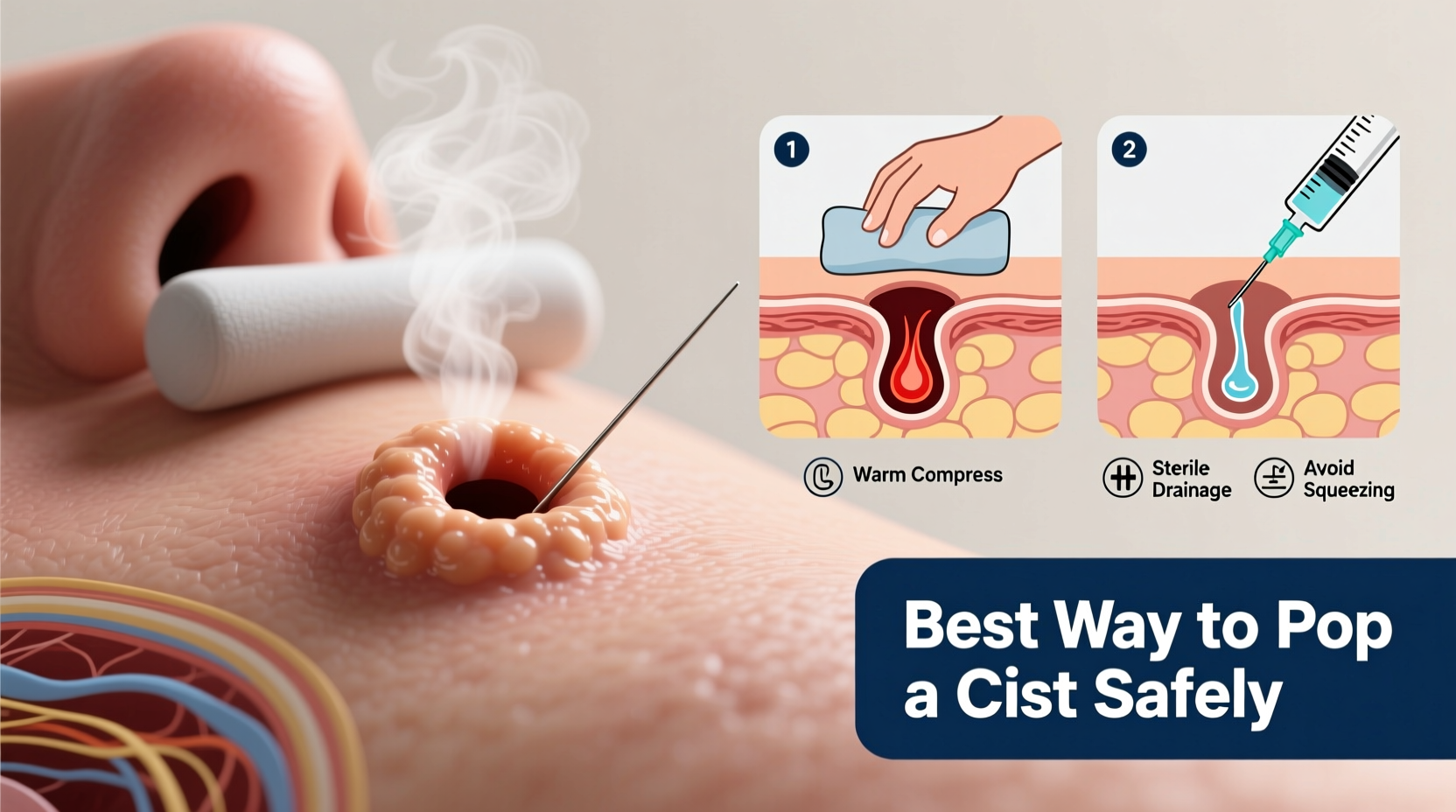
Not all lumps under the skin are the same. The two most common types of benign cysts are:
- Epidermoid cysts: Form when skin cells move deeper into the skin and multiply, creating a sac. These often occur on the face, neck, or trunk.
- Sebaceous cysts: Originate from oil glands, though this term is often used interchangeably with epidermoid cysts despite anatomical differences.
Cysts typically develop due to blocked hair follicles, skin trauma, or excessive sebum production. They grow slowly and are usually painless unless irritated or infected. Signs of infection include redness, warmth, swelling, and pus drainage.
“Attempting to pop a cyst at home increases the risk of introducing bacteria, leading to serious infections or abscess formation.” — Dr. Lena Patel, Board-Certified Dermatologist
When (and When Not) to Attempt Home Care
Most dermatologists strongly advise against self-lancing or squeezing cysts. However, mild cases without signs of infection may respond well to conservative treatment aimed at reducing inflammation and encouraging natural drainage.
Home care should only be considered if the cyst is:
- Small (under 5 mm)
- Not rapidly growing
- Not located on the face (especially near eyes or nose, where infection risks are higher)
- Not painful, red, or warm to touch
If any of these warning signs are present, medical evaluation is necessary. Never attempt to cut into a cyst with a blade, needle, or other sharp object—this significantly raises the chance of scarring and systemic infection.
Step-by-Step Guide to Safe At-Home Management
If you're dealing with a non-infected, superficial cyst, follow this evidence-based routine to promote healing and minimize complications:
- Wash the area: Use gentle soap and water to clean around the cyst. Avoid scrubbing directly over it.
- Apply a warm compress: Soak a clean cloth in warm (not hot) water and hold it against the cyst for 10–15 minutes, 3–4 times per day. This increases blood flow and may help the body reabsorb fluid or expel contents gently.
- Maintain hygiene: Keep hands away from the area and never pick at or squeeze the lump.
- Monitor changes: Track size, color, tenderness, and drainage. Any worsening requires prompt medical attention.
- Protect the skin: Cover with a sterile bandage if clothing irritates the site, but allow air exposure when possible.
This method supports the body’s natural defenses and avoids trauma that could worsen the condition. It does not guarantee resolution but reduces risks associated with aggressive intervention.
Professional Treatment Options and Why They’re Safer
For persistent, large, or uncomfortable cysts, professional care offers the safest and most effective solution. Common medical treatments include:
| Treatment | How It Works | Success Rate | Risks |
|---|---|---|---|
| Incision & Drainage (I&D) | A doctor makes a small cut to remove contents | High short-term relief | Recurrence common (~50%) if wall remains |
| Complete Surgical Excision | Removes entire cyst, including sac wall | Over 90% cure rate | Minor scarring; requires stitches |
| Steroid Injection | Reduces inflammation without cutting | Effective for swelling | Doesn’t eliminate cyst; temporary relief |
Unlike DIY attempts, clinical procedures are performed under sterile conditions using proper tools. Complete excision prevents regrowth by removing the entire cyst lining—a step impossible to achieve safely at home.
Mini Case Study: From Infection to Recovery
Sarah, a 32-year-old teacher, noticed a pea-sized bump behind her ear. Believing it was a pimple, she tried popping it with a pin after heating it with a hot towel. Within 48 hours, the area became intensely red, swollen, and throbbing. She developed a fever and visited urgent care.
Diagnosed with an abscessed epidermoid cyst, Sarah required emergency incision and drainage, followed by a week-long course of oral antibiotics. Her doctor emphasized that puncturing the cyst introduced bacteria deep into the tissue. After recovery, she underwent elective surgical removal to prevent recurrence.
Sarah’s experience highlights how seemingly minor actions can escalate into serious medical issues. With early professional consultation, she might have avoided both infection and surgery.
Do’s and Don’ts: Quick Reference Checklist
- ✅ Do apply warm compresses for mild inflammation
- ✅ Do keep the area clean and dry
- ✅ Do consult a dermatologist for growing or painful cysts
- ✅ Do seek immediate care if fever or spreading redness occurs
- ❌ Don’t use needles, pins, or blades on the cyst
- ❌ Don’t squeeze or press aggressively
- ❌ Don’t apply harsh chemicals like alcohol or hydrogen peroxide routinely
- ❌ Don’t ignore sudden changes in appearance or pain level
Frequently Asked Questions
Can I pop a cyst with a needle at home?
No. Using a needle introduces bacteria and can push infected material deeper into the skin. Even if some fluid drains, the cyst wall usually remains, leading to regrowth and higher infection risk. Always leave invasive procedures to trained professionals.
How long does it take for a cyst to go away on its own?
Some small cysts may resolve within weeks with warm compresses and good hygiene. Others persist for months or years. If unchanged or enlarging, medical evaluation is recommended. Spontaneous disappearance is more likely in minor cases without structural sac formation.
Will antibiotics get rid of my cyst?
Antibiotics only treat infection, not the cyst itself. If the cyst is inflamed or infected, a doctor may prescribe antibiotics to control bacterial growth before performing drainage or excision. But antibiotics alone won't eliminate the cyst structure.
Conclusion: Prioritize Safety Over Speed
The desire to quickly eliminate a visible or bothersome cyst is understandable. Yet rushing to pop it often leads to worse outcomes than waiting for proper care. The safest approach combines patience, conservative home measures, and timely medical consultation.
Remember: true resolution comes not from emptying a cyst, but from removing its root—the sac lining. Only a healthcare provider can do this safely and effectively. By resisting the urge to intervene aggressively and choosing informed action, you protect your skin and overall health.




 浙公网安备
33010002000092号
浙公网安备
33010002000092号 浙B2-20120091-4
Comments
No comments yet. Why don't you start the discussion?