
Building block toys—like LEGO, Mega Bloks, or other interlocking bricks—are staples in homes with children. They inspire creativity, improve motor skills, and withstand years of imaginative play. However, frequent handling, exposure to dust, food crumbs, and occasional spills mean these toys accumulate germs and grime over time. Without proper cleaning, their structural integrity can degrade, colors may fade, and hygiene risks increase. The good news is that with the right techniques, you can safely clean and preserve your collection, extending its lifespan while keeping it hygienic for little hands.
Why Regular Cleaning Matters
Children touch everything—and building blocks are no exception. A 2020 study published in *Environmental Science & Technology* found that plastic toys can harbor bacteria, allergens, and even microplastic residues from environmental exposure. Over time, accumulated dirt can weaken plastic joints, making bricks harder to connect or pull apart. Additionally, sticky residues from food or drinks can attract pests or cause discoloration.
Cleaning isn’t just about hygiene—it’s a form of preservation. Well-maintained bricks retain their snap, color, and finish, ensuring smooth building experiences for years. Most manufacturers design these toys to be durable, but only if cared for properly.
“Regular, gentle cleaning prevents microbial buildup and material fatigue in plastic construction toys.” — Dr. Lena Patel, Pediatric Environmental Health Specialist
Step-by-Step Guide: How to Clean Building Blocks Safely
Not all cleaning methods are suitable for every type of block. Follow this detailed process to avoid warping, clouding, or damaging the bricks.
- Sort and inspect: Separate blocks by size and material. Remove any stickers, rubber parts, or electronic components (e.g., LED lights or motors) that shouldn’t get wet.
- Dry clean first: Use a soft-bristled brush or compressed air to remove loose dust, hair, and debris from crevices.
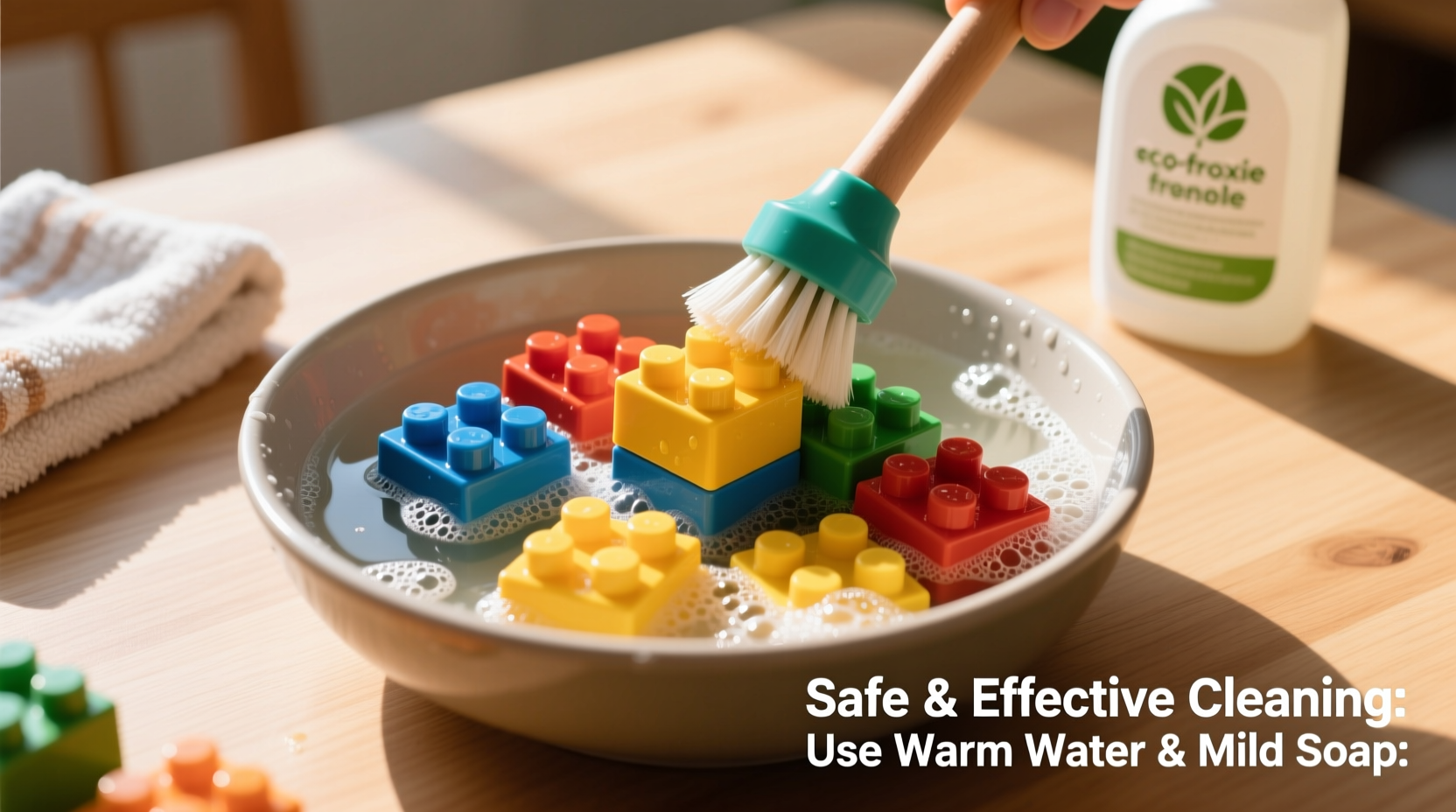
- Prepare cleaning solution: Mix lukewarm water with a small amount of mild dish soap (phosphate-free). Avoid bleach, ammonia, or abrasive cleaners.
- Soak non-electronic pieces: Submerge plastic bricks in the soapy water for 10–15 minutes. Do not exceed 40°C (104°F) to prevent warping.
- Gentle scrubbing: Use a soft toothbrush or sponge to clean stubborn spots. Focus on connection points where dirt accumulates.
- Rinse thoroughly: Drain soapy water and rinse blocks under cool running water until no suds remain.
- Air dry completely: Lay blocks flat on a lint-free towel or drying rack. Avoid direct sunlight or heat sources, which can warp or fade plastic.
- Reassemble and store: Once fully dry (usually 4–6 hours), return blocks to storage containers.
Do’s and Don’ts of Toy Cleaning
| Do’s | Don’ts |
|---|---|
| Use lukewarm water and mild soap | Use hot water above 40°C |
| Hand wash with soft tools | Scrub with steel wool or harsh brushes |
| Air dry at room temperature | Use a dryer, heater, or oven to speed drying |
| Clean every 4–6 weeks for regular use | Submerge electronics or stickered pieces |
| Wipe down bins and storage cases monthly | Store damp blocks (mold risk) |
Alternative Methods for Sensitive or Large Collections
For collectors or those with vintage sets, immersion washing might not be ideal. Here are safer alternatives:
- Vinegar mist spray: Mix equal parts white vinegar and water in a spray bottle. Lightly mist a cloth and wipe individual bricks. Vinegar disinfects without residue.
- Baking soda paste: For stained or cloudy bricks, apply a paste of baking soda and water with a cotton swab. Gently rub and wipe clean with a damp cloth.
- UV sanitizing boxes: Designed for baby bottles, some UV-C devices can sanitize plastic toys without moisture. Ensure the chamber is large enough and follow safety guidelines.
For large collections, consider rotating cleaning batches. Clean one section per weekend to avoid overwhelming volume and ensure thorough drying.
Real Example: Preserving a 10-Year-Old LEGO Collection
Sarah, a mother of two in Portland, inherited her brother’s LEGO set from the early 2010s. When she opened the bin, the bricks were dusty and some had a faint odor. She didn’t want to damage the vintage pieces, so she avoided soaking. Instead, she used a vacuum with a brush attachment to remove surface debris, then wiped each brick with a vinegar-dampened cloth. After air drying on a mesh rack, the bricks looked nearly new. Her son now uses them regularly, and Sarah cleans one bin every three months to maintain quality.
Storage Tips to Maximize Longevity
Cleaning is only half the battle. Proper storage prevents recontamination and physical damage.
- Use clear, lidded plastic bins to keep out dust and pests.
- Avoid cardboard boxes, which absorb moisture and attract insects.
- Store away from direct sunlight to prevent UV-induced fading.
- Keep in a climate-controlled room—avoid attics or basements with humidity fluctuations.
- Place silica gel packs inside bins to reduce moisture buildup.
“Plastic degradation in toys is accelerated by heat, UV light, and poor ventilation. Smart storage is preventive care.” — Mark Tran, Materials Engineer at Toy Safety Labs
Frequently Asked Questions
Can I use disinfectant wipes on building blocks?
Only if they’re alcohol-free and specifically labeled safe for plastics. Many wipes contain solvents that cloud or crack ABS plastic over time. It’s safer to use a damp cloth with mild soap or a vinegar solution.
How often should I clean building blocks?
For toys in daily use, clean every 4–6 weeks. If a child has been sick or the toys have been exposed to dirt (e.g., outdoor play), clean immediately. Less frequently used sets can be cleaned every 3–4 months.
What should I do if my blocks develop a musty smell?
The odor likely comes from trapped moisture or organic residue. Disassemble any built models and air-dry in a well-ventilated area for 24 hours. Wipe with a vinegar-water solution, then dry again. If the smell persists, place the blocks in a sealed container with activated charcoal for 48 hours to absorb odors.
Checklist: Safe Cleaning Routine for Building Block Toys
- ☐ Remove electronic or non-plastic components
- ☐ Dry brush off loose debris
- ☐ Prepare mild soapy water (max 40°C)
- ☐ Soak bricks for 10–15 minutes
- ☐ Gently scrub connection points
- ☐ Rinse thoroughly under cool water
- ☐ Air dry completely on a clean surface
- ☐ Inspect for damage before storing
- ☐ Store in dry, shaded, ventilated container
- ☐ Schedule next cleaning in 4–6 weeks
Conclusion: Care Today, Play Tomorrow
Cleaning building block toys doesn’t have to be complicated or risky. With consistent, gentle care, you protect both health and investment. These toys are designed to last generations—but only if treated with respect. By following safe cleaning practices, avoiding extreme temperatures, and storing wisely, you ensure that every brick remains vibrant, functional, and ready for the next creative adventure.




 浙公网安备
33010002000092号
浙公网安备
33010002000092号 浙B2-20120091-4
Comments
No comments yet. Why don't you start the discussion?