
Soft TPU (thermoplastic polyurethane) phone cases are prized for their flexibility, shock absorption, and slim profile. However, over time, they accumulate dirt, oils, sweat, and environmental grime that can cause yellowing, stickiness, and odor. While it’s tempting to scrub aggressively or use household cleaners, doing so can degrade the material, reduce transparency, or compromise structural integrity. Cleaning a soft TPU case properly requires a balance of effectiveness and gentleness. This guide outlines science-backed, practical methods to keep your case looking fresh—without shortening its lifespan.
Why Soft TPU Cases Need Special Care
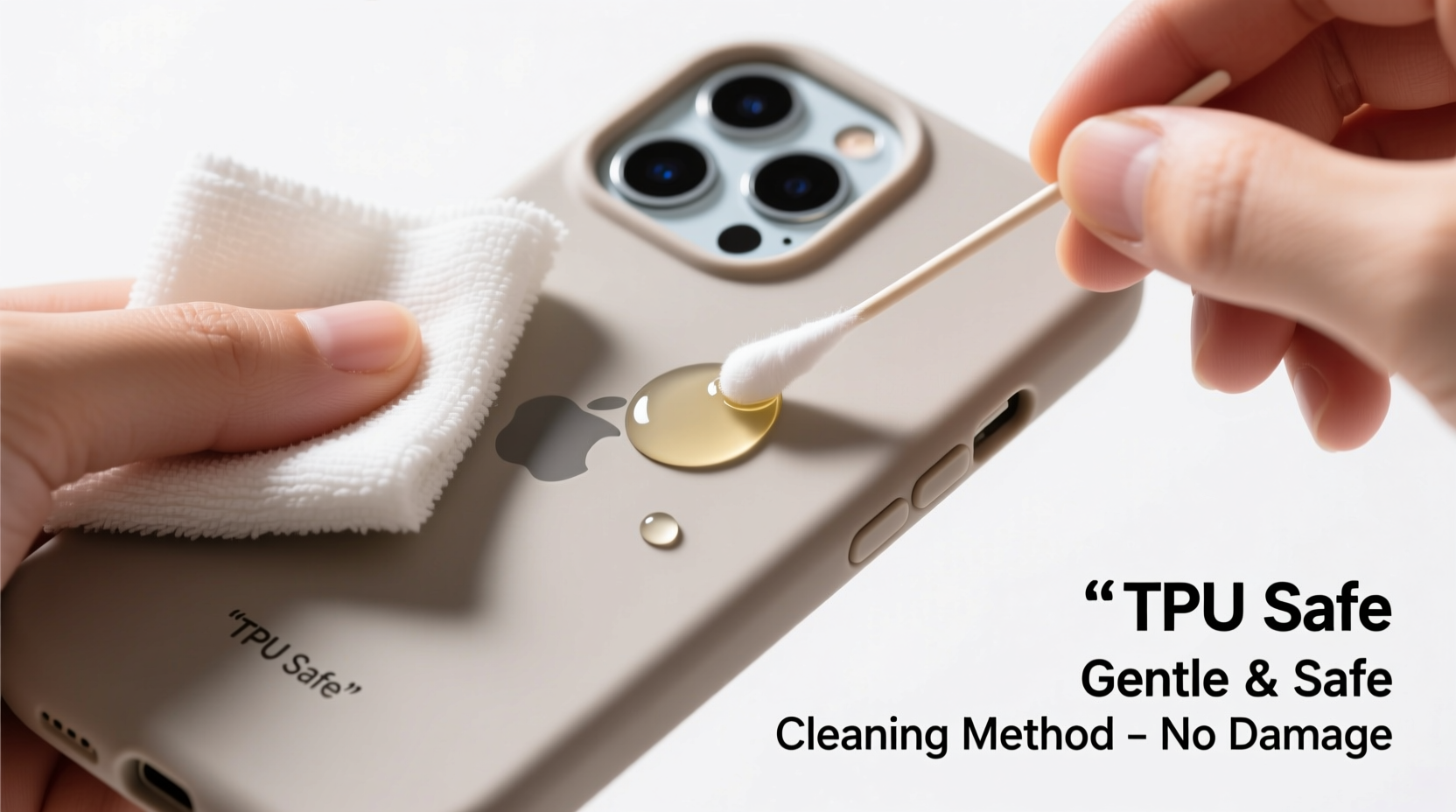
Unlike rigid polycarbonate or silicone alternatives, soft TPU has a slightly porous surface and is sensitive to UV exposure, heat, and certain chemicals. Over weeks of daily use, natural skin oils, hand lotions, and airborne particles embed into the micro-surface of the case. This buildup not only dulls appearance but can accelerate oxidation—a primary reason many clear TPU cases turn yellow.
Additionally, some cleaning agents like alcohol, acetone, or ammonia-based glass cleaners strip protective coatings and break down polymer chains in TPU, leading to brittleness or cloudiness. The goal isn’t just cleanliness—it’s preservation of function and aesthetics over time.
“TPU is durable but chemically reactive. Avoid solvents and prolonged moisture exposure during cleaning.” — Dr. Lena Torres, Materials Scientist at Polymer Research Institute
Step-by-Step Guide: Safe Cleaning Process
Cleaning your soft TPU case doesn’t require specialized tools. What matters most is consistency and method. Follow this five-step process every 1–2 weeks to maintain optimal condition:
- Remove the case from your phone. Power off your device first and gently slide the case off. This prevents accidental button presses or screen smudges during cleaning.
- Rinse under lukewarm water. Hold the case under a gentle stream to loosen surface debris. Do not soak unless specified later in deep-cleaning steps.
- Apply a mild soap solution. Mix a few drops of pH-neutral dish soap (like Dawn Free & Clear) with water. Dip a soft microfiber cloth or new toothbrush into the solution and lightly scrub all surfaces, including edges and ports.
- Rinse thoroughly. Ensure no soap residue remains, as leftover suds can attract more dirt or leave streaks.
- Air-dry completely before reattaching. Place the case on a lint-free towel in a shaded area. Avoid direct sunlight or heat sources, which promote yellowing.
Deep Cleaning Methods for Stubborn Stains and Odors
For cases that have developed stickiness, faint discoloration, or lingering smells, light washing may not suffice. Below are three safe deep-cleaning approaches:
1. Baking Soda Paste (Best for Surface Residue)
Mix one teaspoon of baking soda with half a teaspoon of water to form a thick paste. Apply with a microfiber cloth using circular motions, focusing on discolored areas. Wipe clean with a damp cloth and dry immediately. Baking soda acts as a mild abrasive without scratching.
2. Distilled White Vinegar Soak (For Disinfecting & Deodorizing)
In a small bowl, combine equal parts distilled white vinegar and water. Submerge the case for no more than 15 minutes. Remove, rinse well, and dry. Vinegar naturally kills bacteria and neutralizes odors without harming TPU when diluted.
3. Hydrogen Peroxide Bath (For Yellowing Prevention)
Soak the case in 3% hydrogen peroxide for 30–60 minutes in a sealed container. Some users place the container under indirect sunlight to enhance oxidation reversal, but this should be done cautiously—no longer than one hour. Rinse and dry thoroughly afterward. This method slows yellowing by breaking down oxidized compounds.
Do’s and Don’ts: TPU Case Cleaning Table
| Do’s | Don’ts |
|---|---|
| Use lukewarm water and mild soap | Use rubbing alcohol or bleach |
| Clean every 1–2 weeks | Soak for more than 2 hours |
| Scrub gently with microfiber or soft brush | Use abrasive pads or steel wool |
| Air-dry away from sunlight | Dry with a hairdryer or heater |
| Disinfect occasionally with vinegar solution | Store in hot car interiors or near windows |
Real Example: Recovering a Sticky, Yellowed Case
Jamal had used his clear TPU case for four months without cleaning. It began feeling tacky and turned noticeably yellow around the camera cutout. He tried wiping it with a disinfectant wipe containing alcohol—only to find the surface became cloudier. After researching, he switched tactics: he soaked the case in a vinegar-water mix for 12 minutes, rinsed it, then applied a baking soda paste to the yellow spots. After drying overnight in a drawer, the stickiness disappeared and the color improved significantly. He now cleans it biweekly and stores it in a shaded drawer when rotating devices.
This example illustrates how improper initial attempts can worsen degradation—but also how correct methods can restore functionality and appearance even after damage has started.
Checklist: Monthly TPU Case Maintenance Routine
- ☐ Remove case and inspect for buildup or discoloration
- ☐ Wash with mild soap and soft cloth
- ☐ For stubborn grime, apply baking soda paste
- ☐ Sanitize monthly with vinegar solution (optional)
- ☐ Air-dry fully before reuse
- ☐ Rotate cases if you own multiple (reduces wear)
- ☐ Store spare cases in cool, dark place
Frequently Asked Questions
Can I put my TPU case in the dishwasher?
No. Dishwashers expose cases to high heat, strong detergents, and mechanical agitation, all of which degrade TPU over time. The extreme temperatures can warp the shape and accelerate yellowing.
Why does my clear case turn yellow even when I clean it?
Yellowing is primarily caused by oxidation from UV light, heat, and environmental pollutants. Even with regular cleaning, prolonged exposure to sunlight or cigarette smoke contributes to discoloration. Using hydrogen peroxide periodically can slow this process.
How often should I replace my TPU case?
With proper care, a soft TPU case lasts 6–12 months. Signs it’s time to replace include persistent stickiness, cracking, poor fit, or opacity that affects wireless charging. Regular maintenance extends usability closer to the 12-month mark.
Conclusion: Small Habits, Lasting Results
Keeping a soft TPU phone case clean isn’t about perfection—it’s about consistency and using the right methods. By avoiding harsh chemicals, embracing gentle cleaning routines, and storing cases wisely, you preserve both protection and aesthetics. These habits take minutes but significantly extend the life of an accessory designed to shield your most-used device.




 浙公网安备
33010002000092号
浙公网安备
33010002000092号 浙B2-20120091-4
Comments
No comments yet. Why don't you start the discussion?