
When a dog loses the ability to walk due to injury, age, arthritis, or neurological conditions, their mobility doesn’t define their quality of life—but how they’re handled does. Carrying a dog that can’t walk requires more than strength; it demands technique, empathy, and an understanding of canine anatomy. Done incorrectly, improper lifting can cause pain, worsen injuries, or strain both pet and owner. This guide provides practical, veterinarian-informed methods to carry your dog safely, maintain dignity, and preserve trust during vulnerable moments.
Understanding Why Your Dog Can’t Walk
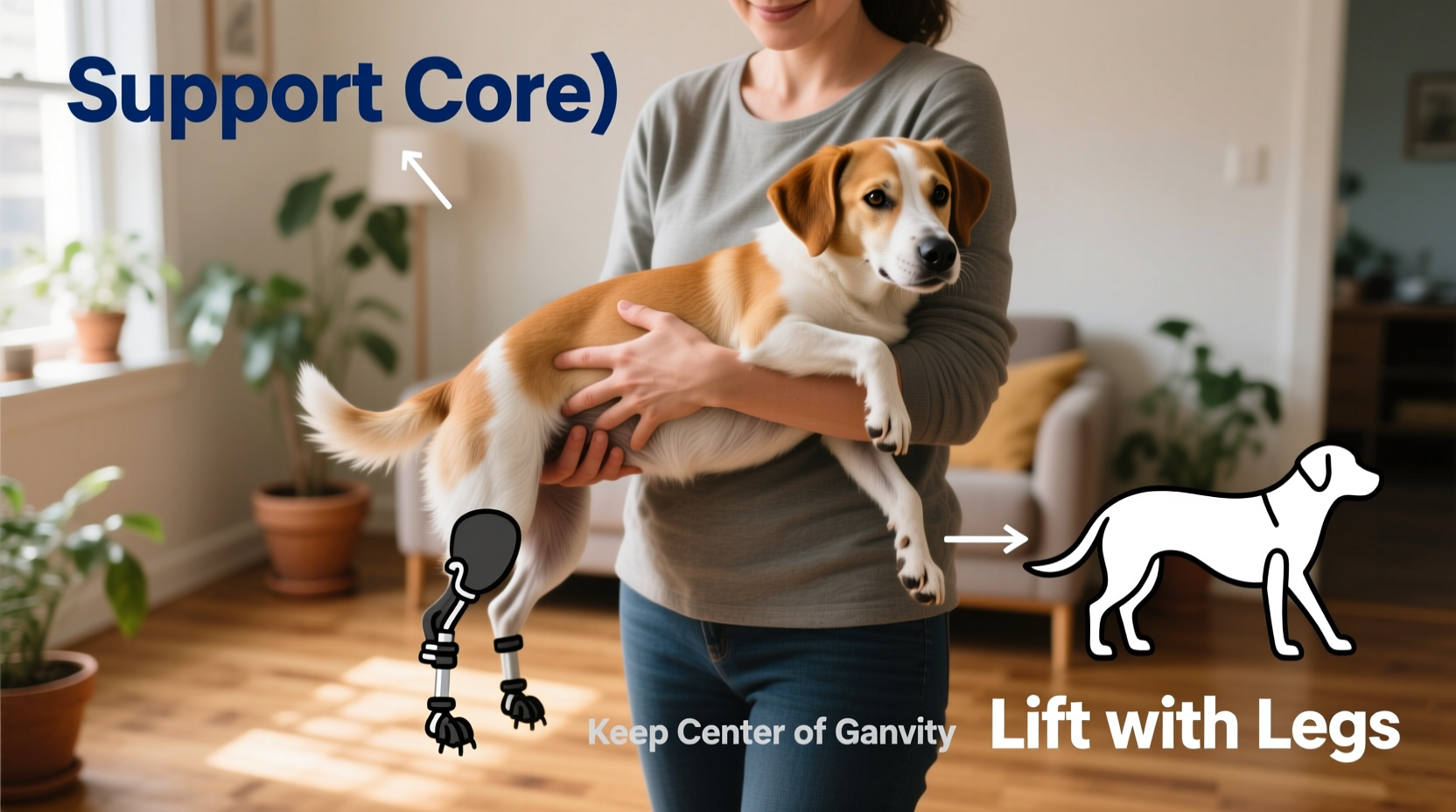
Dogs may lose mobility for various reasons: hip dysplasia, intervertebral disc disease (IVDD), spinal injuries, stroke, degenerative myelopathy, or post-surgical recovery. Before attempting any carrying method, consult your veterinarian to understand the underlying condition. A dog with a spinal issue requires different support than one recovering from leg surgery. Misalignment during lifting can exacerbate pain or delay healing.
Signs your dog may need assistance include dragging limbs, inability to stand, trembling when trying to move, or vocalizing in discomfort. Recognizing these early allows timely intervention and prevents further strain.
Step-by-Step Guide to Safely Carry a Non-Ambulatory Dog
Safety begins with preparation. Whether you're moving your dog from bed to car or helping them outside briefly, follow this sequence:
- Assess the situation. Is the dog in pain? Are there bandages or braces? Know what areas must be supported.
- Gather tools if needed. Slings, towels, or harnesses may be required for larger dogs.
- Position yourself correctly. Stand close, bend at the knees, keep your back straight.
- Support primary weight points. For most dogs, this means under the chest and hindquarters.
- Lift smoothly and hold securely. Avoid jerking motions. Keep the dog close to your body.
- Move slowly and set down gently. Reverse the lifting motion when placing them down.
Carrying Small Dogs (Under 15 lbs)
Small breeds like Chihuahuas or Pomeranians can often be carried with two hands. Place one arm under the chest and the other under the rump. Hold the dog snugly against your torso, head supported. Do not dangle the legs or allow twisting.
Carrying Medium to Large Dogs (15–50+ lbs)
For heavier dogs, use a towel or blanket as a sling. Fold a large bath towel lengthwise. Slide one end under the dog’s chest and the other under their hips. Hold both ends securely as you lift. The fabric distributes weight evenly and reduces strain on your back.
“Proper body mechanics are critical. Owners often injure themselves trying to carry dogs without support tools.” — Dr. Lena Torres, DVM, Canine Rehabilitation Specialist
Choosing the Right Support Tools
Not every dog should be carried manually, especially those over 30 pounds or with spinal concerns. Assistive devices offer safer, more sustainable solutions.
| Tool | Best For | Pros | Cons |
|---|---|---|---|
| Front-Back Harness | Dogs needing partial support | Allows controlled movement, promotes muscle use | Not suitable for full non-ambulatory cases |
| Full-Body Sling | Post-op or paralyzed dogs | Even weight distribution, easy to use | May restrict movement if too tight |
| Wheeled Mobility Cart | Permanent paralysis (e.g., degenerative myelopathy) | Restores independence, reduces caregiver strain | Expensive; requires training |
| Orthopedic Carrier (for small dogs) | Tiny breeds with mobility issues | Soft-sided, ventilated, portable | Weight-limited; not for long-term use |
Real-Life Example: Helping Max Recover After Surgery
Max, a 7-year-old Labrador, underwent TPLO surgery for a torn cranial cruciate ligament. For six weeks, he couldn’t bear weight on his right hind leg. His owner, Sarah, initially tried carrying him using only her arms, which led to back pain and Max yelping in discomfort. After consulting her vet, she purchased a rear-lift harness. With guidance, she learned to position the sling just behind Max’s ribcage and under his pelvis. Within days, transfers from crate to grass became smooth and stress-free. Max regained confidence, and Sarah avoided injury. This case underscores the importance of using proper equipment and technique—even for temporary conditions.
Common Mistakes to Avoid
- Lifting by the front legs only: Shifts all weight to the spine and shoulders, risking nerve damage.
- Holding the dog too far from the body: Increases leverage and strain on your back.
- Rushing the process: Sudden movements scare dogs and increase fall risk.
- Ignoring signs of pain: If your dog whimpers, tenses, or resists, stop immediately.
- Using makeshift slings that slip: Old scarves or thin fabric can fail under pressure.
Checklist: Safe Dog-Carrying Protocol
Use this checklist each time you prepare to carry your dog:
- ✅ Confirm the dog is stable and cleared for movement by a vet
- ✅ Choose the appropriate method based on size and condition
- ✅ Use a supportive tool (towel, sling, or harness) for dogs over 15 lbs
- ✅ Position hands or sling under chest and hindquarters
- ✅ Bend knees, keep back straight, engage core muscles
- ✅ Lift slowly and hold dog close to your chest
- ✅ Move deliberately, avoiding stairs or uneven surfaces if possible
- ✅ Set down gently by lowering in reverse order
- ✅ Monitor dog for signs of discomfort afterward
Frequently Asked Questions
How do I know if I’m carrying my dog correctly?
You’re doing it right if your dog remains calm, their spine stays level, and there’s no sagging in the middle. They should feel fully supported, not dangling. If you experience back pain, adjust your technique or use a support tool.
Can I carry my paralyzed dog every day?
Yes, but minimize manual lifting in favor of slings or carts. Daily carrying without support increases injury risk for both of you. Short, necessary lifts (e.g., for bathroom breaks) are acceptable when done properly.
Are there alternatives to carrying for long-term care?
Absolutely. Mobility carts, indoor ramps, and elevated feeding stations reduce the need for lifting. Physical therapy exercises, when approved by your vet, can also improve strength and delay full dependency.
Final Thoughts: Compassion Meets Technique
Caring for a dog that can’t walk is an act of deep love and responsibility. It’s not just about physical support—it’s about preserving their dignity, preventing secondary injuries, and maintaining a bond built on trust. The safest way to carry your dog isn’t always the quickest or strongest approach; it’s the one that respects their body and your own. By combining proper tools, correct posture, and veterinary guidance, you create a routine that supports healing and daily well-being.




 浙公网安备
33010002000092号
浙公网安备
33010002000092号 浙B2-20120091-4
Comments
No comments yet. Why don't you start the discussion?