
A stuffy nose is more than just an annoyance—it can disrupt sleep, impair concentration, and make daily tasks exhausting. Whether caused by allergies, a cold, or sinus infection, nasal congestion stems from inflamed blood vessels in the nasal passages. While over-the-counter medications offer relief, many people prefer fast, natural solutions that are safe, accessible, and free of side effects. The good news: simple home remedies, combined with expert-backed strategies, can significantly reduce congestion in as little as 10–20 minutes.
Understanding Nasal Congestion
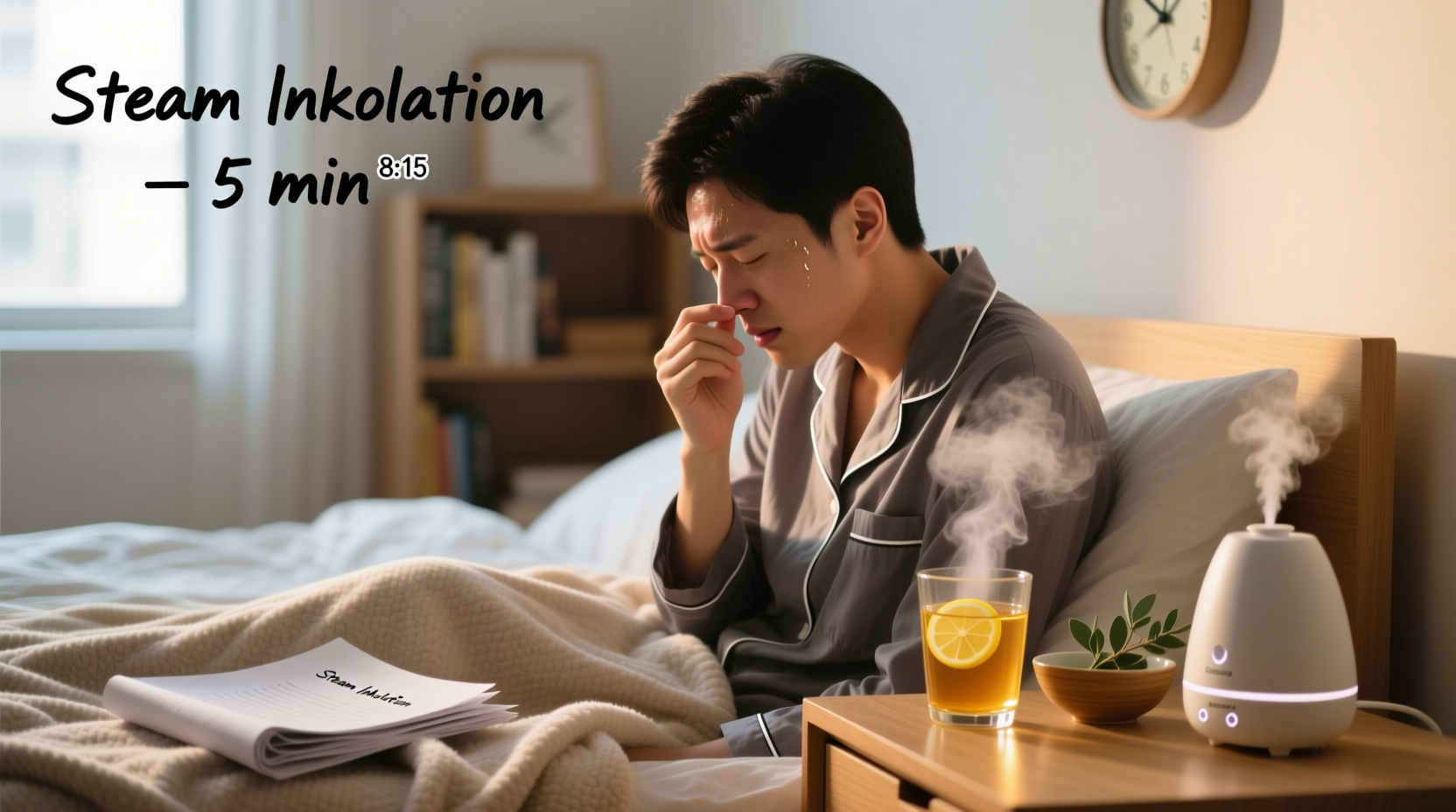
Nasal congestion occurs when the tissues lining the nose become swollen due to inflamed blood vessels. This inflammation is typically triggered by infections (like colds or flu), allergic reactions (to pollen, dust, or pet dander), or environmental irritants such as smoke or dry air. In some cases, structural issues like a deviated septum or nasal polyps may contribute to chronic blockage.
The body’s immune response increases blood flow and mucus production to trap and expel pathogens or allergens. While this is protective, it leads to pressure, difficulty breathing, and postnasal drip. Addressing both the cause and symptoms simultaneously yields the fastest relief.
Immediate Relief Techniques
When congestion strikes, quick action can prevent symptoms from worsening. These methods provide noticeable improvement within minutes:
- Steam inhalation: Boil water and pour it into a bowl. Lean over it with a towel draped over your head to trap the steam. Breathe deeply for 5–10 minutes. Adding a few drops of eucalyptus or peppermint oil enhances decongestant effects.
- Warm compress: Apply a warm, damp cloth over your nose and forehead. The heat helps loosen mucus and soothe sinus pressure.
- Hydration: Drink warm fluids like herbal tea, broth, or lemon water. Warmth thins mucus, making it easier to drain.
- Elevate your head: Use an extra pillow when lying down to prevent mucus from pooling in the nasal passages.
- Nasal irrigation: Use a saline solution with a neti pot or squeeze bottle to flush out mucus and allergens.
“Steam therapy and nasal irrigation are among the most underutilized yet effective tools for immediate congestion relief.” — Dr. Lena Patel, ENT Specialist
Top 7 Home Remedies That Work
Consistent use of natural remedies can shorten the duration of congestion and support faster recovery:
- Saline nasal spray: Keeps nasal passages moist and clears irritants. You can buy it or make your own with 1 cup distilled water, ½ tsp salt, and ½ tsp baking soda.
- Spicy foods: Capsaicin in chili peppers stimulates secretions and promotes drainage. Try adding cayenne, horseradish, or wasabi to meals.
- Honey and ginger tea: Soothes throat irritation and has anti-inflammatory properties. Mix 1 tbsp raw honey and fresh grated ginger into hot water.
- Humidifier use: Adds moisture to dry indoor air, preventing nasal membranes from drying and swelling further. Run it in your bedroom at night.
- Apple cider vinegar: Some users report success mixing 1–2 tbsp in warm water with lemon and honey. Its acetic acid may help break up mucus.
- Essential oils: Eucalyptus, peppermint, and tea tree oils have decongestant and antimicrobial properties. Diffuse them or add to steam (never apply undiluted).
- Self-massage: Gently massage the area between your eyebrows, beside your nostrils, and along your jawline to stimulate drainage.
Step-by-Step Guide to Clearing a Stuffy Nose in 30 Minutes
Follow this sequence for rapid relief:
- Minute 0–5: Prepare a bowl of hot water. Add 2–3 drops of eucalyptus oil if available.
- Minute 5–10: Perform steam inhalation with eyes closed, breathing slowly through the nose.
- Minute 10–12: Make a saline solution and irrigate one nostril using a neti pot. Tilt your head sideways over a sink.
- Minute 12–15: Blow your nose gently to clear loosened mucus.
- Minute 15–20: Apply a warm compress to your face for 5 minutes.
- Minute 20–25: Drink a cup of hot herbal tea or broth.
- Minute 25–30: Sit upright and perform gentle facial massage along sinus points.
This protocol leverages heat, hydration, and physical clearance to maximize mucus movement and reduce swelling.
Do’s and Don’ts When Treating a Stuffy Nose
| Do’s | Don’ts |
|---|---|
| Stay hydrated with water, broths, and herbal teas | Consume alcohol or caffeine, which can dehydrate you |
| Use a humidifier, especially in dry climates | Sleep flat—elevate your head to aid drainage |
| Clean nasal devices (neti pots) after each use | Use tap water in nasal rinses—always use distilled, sterile, or boiled water |
| Rest to support immune function | Smoke or expose yourself to secondhand smoke |
| Wash hands frequently to avoid reinfection | Overuse nasal decongestant sprays (limit to 3 days) |
Real Example: How Sarah Reduced Her Allergy-Induced Congestion
Sarah, a 34-year-old teacher, suffered from seasonal allergies every spring. One March, her congestion became so severe she couldn’t sleep and developed headaches. Instead of reaching for medication immediately, she tried a combination of remedies: she used a neti pot twice daily, ran a cool-mist humidifier at night, drank ginger-lemon tea, and applied warm compresses before bed. Within 48 hours, her breathing improved dramatically. After a week of consistent care, her symptoms subsided completely. She now starts her allergy routine at the first sign of stuffiness, preventing full flare-ups.
Frequently Asked Questions
Can drinking hot liquids really help a stuffy nose?
Yes. Hot liquids increase body temperature slightly and promote mucus thinning and drainage. Studies show that chicken soup, in particular, has mild anti-inflammatory effects that can ease congestion.
Is it safe to use a neti pot every day?
For most people, daily use is safe during illness or allergy season, provided you use sterile or distilled water and clean the device thoroughly. However, long-term daily irrigation without medical supervision may disrupt natural mucus defenses.
Why does my nose get stuffier at night?
Lying down increases blood flow to the head, which can worsen nasal swelling. Dry bedroom air and allergens in bedding (like dust mites) also contribute. Elevating your head and using a humidifier often help.
Expert Tips for Long-Term Prevention
Preventing recurrent congestion involves managing triggers and supporting respiratory health:
- Identify and minimize exposure to allergens—use hypoallergenic pillowcases and vacuum regularly.
- Maintain indoor humidity between 40% and 60% to keep mucous membranes healthy.
- Wash your hands frequently during cold and flu season.
- Consider air purifiers with HEPA filters if allergies are a concern.
- Stay well-hydrated even when not sick—chronic dehydration thickens mucus.
“Patients who adopt preventive habits—especially proper hydration and nasal hygiene—report fewer and less severe episodes of congestion.” — Dr. Marcus Reed, Primary Care Physician
Conclusion: Take Control of Your Comfort
A stuffy nose doesn’t have to derail your day. With the right combination of hydration, steam, nasal care, and mindful habits, relief is within reach—often in under half an hour. These remedies are not only effective but sustainable, empowering you to manage symptoms naturally and safely. Start incorporating these strategies today, and build resilience against future congestion. Your breath—and your well-being—will thank you.




 浙公网安备
33010002000092号
浙公网安备
33010002000092号 浙B2-20120091-4
Comments
No comments yet. Why don't you start the discussion?