
Navigating the question \"What are your strengths and weaknesses?\" is often a pivotal moment in job interviews. While it appears simple, this query tests self-awareness, honesty, and strategic thinking. Candidates who respond effectively don’t just list traits—they align their answers with the role, demonstrate growth, and show emotional intelligence. The key isn’t perfection; it’s authenticity framed with purpose.
Too many applicants either oversell their strengths or confess weaknesses that raise red flags. The difference between an average answer and a compelling one lies in preparation, relevance, and nuance. This guide breaks down how to structure honest yet impactful responses that position you as both capable and coachable.
Understanding the Interviewer’s Intent
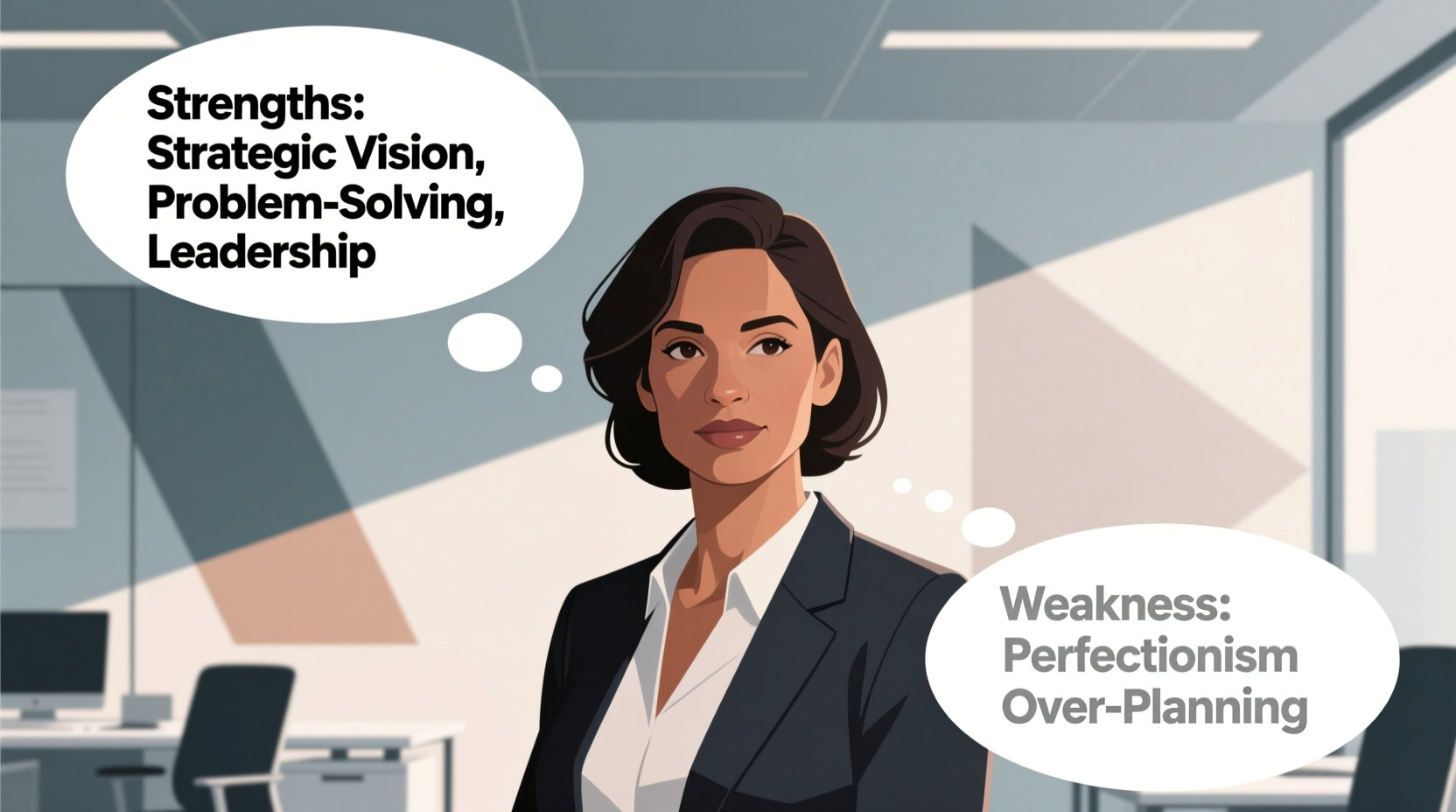
Interviewers ask about strengths to assess fit and impact. They want to know: Can you deliver value in this role? But the weakness question serves a deeper purpose—it evaluates humility, self-reflection, and willingness to improve. A polished answer shows maturity, not vulnerability.
According to career psychologist Dr. Lena Patel, “Candidates who articulate a real but managed weakness—and pair it with concrete steps they’ve taken to improve—are seen as more trustworthy and proactive.” The goal isn’t to hide flaws but to demonstrate that you’re actively working on them.
“We don’t expect candidates to be flawless. We look for those who understand their gaps and are already closing them.” — Mark Tran, Senior HR Director at TechNova Solutions
How to Frame Your Strengths Strategically
Your strengths should reflect the job description. Generic answers like “I’m a hard worker” or “I’m good with people” lack impact. Instead, identify 2–3 core competencies directly tied to the role, and back each with a brief example.
For instance, if applying for a project management role, highlight organizational skills, stakeholder communication, or risk anticipation—then briefly explain how you applied them successfully.
Common Strengths (and How to Present Them)
- Problem-solving: “In my last role, our team faced recurring delays in client deliverables. I analyzed workflow bottlenecks and proposed a revised approval process, cutting turnaround time by 30%.”
- Adaptability: “When our department shifted to remote work, I led the transition by setting up virtual stand-ups and shared dashboards, maintaining team productivity during uncertainty.”
- Attention to detail: “I caught a critical error in a financial report before submission, preventing a compliance issue. Since then, I’ve implemented a peer-review checklist now used across the team.”
Choosing the Right Weakness
The biggest mistake is citing a weakness that disqualifies you—like “I’m not great with deadlines” for a time-sensitive role. Instead, select a genuine area of improvement that doesn’t undermine core job functions.
Effective weaknesses fall into three categories:
- Skill-based: “I used to struggle with public speaking, so I joined Toastmasters and now lead weekly team meetings confidently.”
- Process-related: “I tend to dive into tasks quickly, sometimes skipping planning. To improve, I now use a pre-work checklist and have reduced rework by 40%.”
- Growth-oriented: “I’m learning to delegate more. Early in my career, I took on too much myself. Now, I assess task ownership early and trust my team’s expertise.”
Avoid clichés like “I’m a perfectionist” unless you can show its downside and correction. Saying “I work too hard” sounds evasive. Be specific, show progress, and focus on behaviors—not personality traits.
Step-by-Step Guide to Crafting Your Answer
Follow this five-step process to build strong, personalized responses:
- Analyze the job description. Identify 3–5 key competencies required (e.g., leadership, technical proficiency, collaboration).
- Select relevant strengths. Choose 2 strengths that match top requirements. Prepare one concise example for each.
- Pick one developmental area. Choose a real but non-critical weakness. Ensure it’s not a core requirement for the role.
- Show active improvement. Explain what you’re doing to address it—training, feedback systems, tools, mentoring.
- Rehearse naturally. Practice until your answer sounds conversational, not memorized. Keep it under 90 seconds.
Real Example: Marketing Coordinator Interview
Jamal was asked about his weaknesses during a marketing coordinator interview. Instead of deflecting, he said:
“I used to hesitate when presenting campaign ideas to senior stakeholders. I’d over-prepare and still feel anxious. To grow, I started volunteering to present in smaller team meetings and took a short course on persuasive communication. Last quarter, I led a successful pitch that won executive buy-in for a new social media strategy. I’m still refining my confidence, but I now see presentations as opportunities, not obstacles.”
This response was honest, showed initiative, and ended on a positive note—exactly what hiring managers look for.
Do’s and Don’ts: Quick Reference Table
| Category | Do | Don't |
|---|---|---|
| Strengths | Align with job needs, include brief proof | Use vague terms like “team player” without context |
| Weaknesses | Choose manageable areas with improvement plans | Cite core skill deficiencies (e.g., “I’m bad at Excel” for data roles) |
| Tone | Be humble but confident | Self-deprecate or sound overly defensive |
| Length | Keep under 90 seconds per answer | Ramble or give multiple weaknesses |
| Examples | Use recent, relevant situations | Reference outdated or unrelated experiences |
Checklist: Preparing Your Strengths & Weakness Answers
- ✅ Reviewed the job description and identified key required skills
- ✅ Selected 2 strengths that directly support those skills
- ✅ Prepared a short, results-oriented example for each strength
- ✅ Chose one authentic weakness that doesn’t disqualify you
- ✅ Identified specific actions you’ve taken to improve
- ✅ Practiced aloud to ensure natural delivery
- ✅ Received feedback from a mentor or colleague
- ✅ Avoided clichés and generic statements
Frequently Asked Questions
Can I mention a weakness that’s also a strength?
Proceed with caution. Phrases like “I care too much” or “I’m a perfectionist” are overused and often seen as disingenuous. If you do go this route, acknowledge the downside clearly and show how you manage it. For example: “I aim for high-quality work, which sometimes slows me down. Now I set internal deadlines to balance thoroughness with efficiency.”
Should I share a weakness even if not asked?
No—only discuss weaknesses when prompted. However, if you volunteer a development area in a follow-up email or thank-you note (“One thing I’m actively improving is…”), it can reinforce self-awareness and professionalism.
How many strengths should I mention?
Two well-explained strengths are sufficient. More than three risks sounding boastful or unfocused. Quality matters more than quantity—choose the ones that matter most for the role.
Conclusion: Turn Self-Reflection Into Competitive Advantage
The “strengths and weaknesses” question isn’t a trap—it’s an invitation to show depth. When you answer with clarity, relevance, and evidence of growth, you transform a routine interview moment into a powerful differentiator. Strengths prove what you can do; weaknesses, when handled right, prove how you grow.
Every professional has gaps. What sets standout candidates apart is not the absence of weaknesses, but the courage to name them—and the discipline to improve. Prepare thoughtfully, speak honestly, and let your self-awareness become your strongest asset.




 浙公网安备
33010002000092号
浙公网安备
33010002000092号 浙B2-20120091-4
Comments
No comments yet. Why don't you start the discussion?