
Rubber gym mats are essential in fitness centers, home gyms, and CrossFit boxes for their durability, shock absorption, and non-slip surface. However, constant foot traffic, sweat, dirt, and bacteria accumulation can degrade their quality and create health hazards if not properly maintained. Cleaning them isn’t just about appearance—it’s critical for safety, odor control, and extending lifespan. The right cleaning routine combines effective techniques, suitable products, and consistent habits.
Why Regular Cleaning Matters
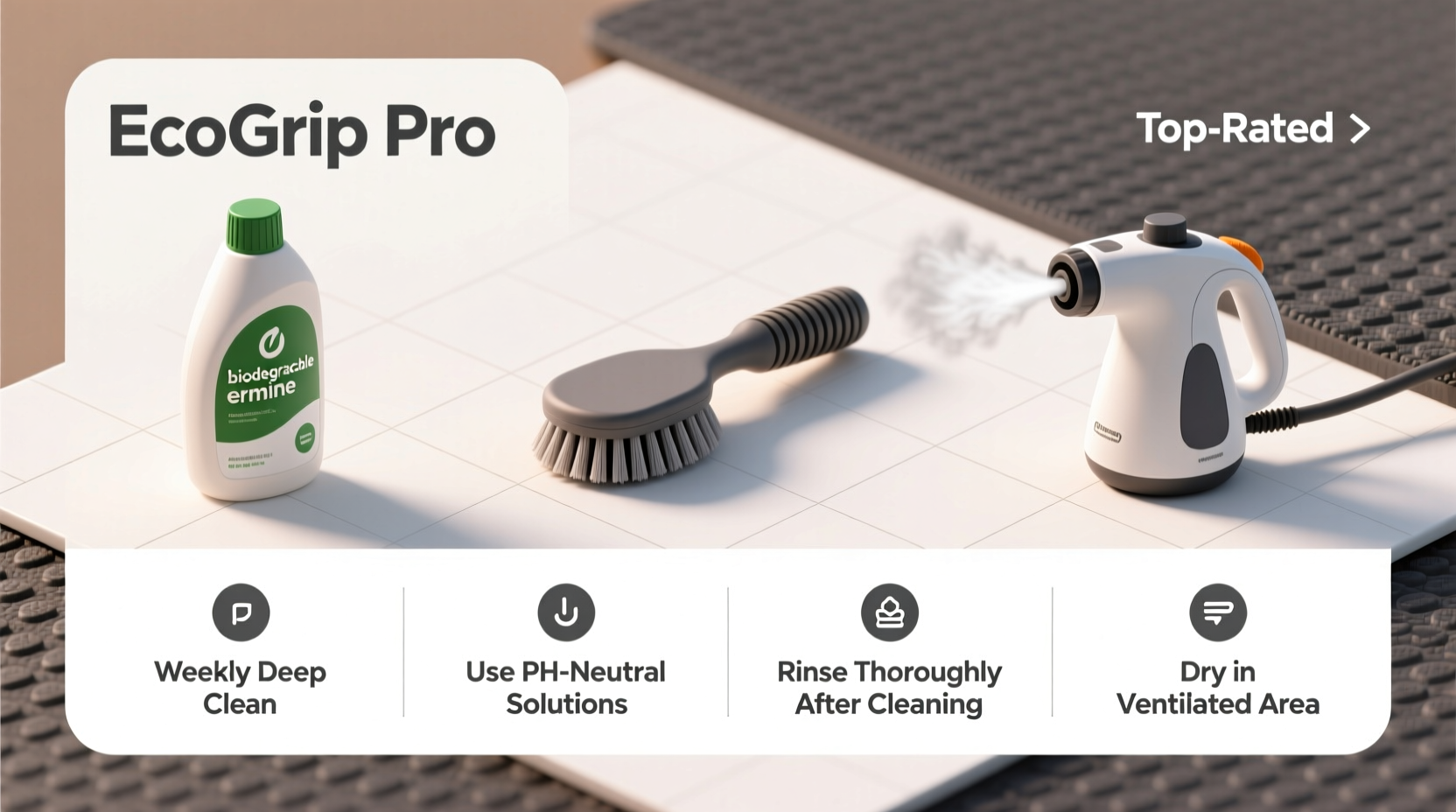
Rubber mats absorb moisture and trap bacteria, fungi, and odors over time. Without proper care, they become breeding grounds for microbes that can cause skin infections or respiratory issues. Additionally, grime buildup accelerates wear, reduces traction, and may lead to unpleasant smells that linger despite airing out.
Gym owners and home users alike often underestimate how quickly contamination occurs. A study by the University of Arizona found that free weights and surrounding surfaces—including mats—can harbor up to 362 times more bacteria than a toilet seat. This makes regular sanitation not optional, but mandatory.
Step-by-Step Guide to Deep Cleaning Rubber Gym Mats
A thorough cleaning process ensures both surface and deep-down cleanliness. Follow this sequence for optimal results:
- Clear and Sweep: Remove all equipment from the mats. Use a dry microfiber mop or soft broom to sweep away dust, hair, and loose debris.
- Pre-Spray Solution: Lightly mist the entire surface with a 1:1 mixture of water and white vinegar or a commercial gym mat cleaner. Let sit for 5–10 minutes to break down organic residue.
- Scrub Gently: Using a medium-bristle brush or non-abrasive scrubbing pad, work in small sections using circular motions. Focus on visibly soiled or high-contact zones like under barbells or near entry points.
- Rinse Thoroughly: Wipe down with clean, damp microfiber cloths or use a wet vacuum to remove loosened grime and cleaning solution. Avoid soaking; excessive water can seep into subflooring or cause warping.
- Disinfect (Optional): For shared spaces, apply an EPA-registered disinfectant labeled safe for rubber surfaces. Follow contact time instructions precisely.
- Dry Completely: Stand mats upright or prop them to allow airflow on both sides. Use fans in poorly ventilated rooms. Never stack damp mats—this promotes mold and mildew.
“Proper drying is as important as cleaning. Trapped moisture beneath or between mats is the leading cause of premature degradation.” — Dr. Alan Reyes, Indoor Air Quality Specialist
Best Products for Cleaning Rubber Gym Mats
Not all cleaners are safe for rubber. Harsh chemicals like bleach, ammonia, or solvents can break down the material, causing cracking, discoloration, or loss of elasticity. Choose pH-balanced, non-corrosive solutions designed specifically for rubber or fitness equipment.
| Product Type | Recommended Brands | Pros | Cons |
|---|---|---|---|
| pH-Neutral Mat Cleaner | Rogue Fitness Mat Spray, Titan Fitness Mat Wash | Safe for frequent use, no residue, deodorizes | Higher cost than DIY options |
| Vinegar-Water Mix (DIY) | Homemade: 1:1 white vinegar & water | Inexpensive, natural disinfectant, removes odors | Strong smell during application |
| EPA-Registered Disinfectant | Clorox Healthcare Fuzion, Oxivir TB | Kills 99.9% of germs, fast-acting | Must be rinsed if not rubber-safe; some leave film |
| Enzyme-Based Cleaner | Bioesque Surface Defense, Force of Nature | Breaks down organic matter, eco-friendly | Slower action; requires longer dwell time |
Common Mistakes to Avoid
Even well-intentioned cleaning efforts can backfire if improper methods are used. These errors are frequently seen in both commercial and home gyms:
- Using bleach or ammonia-based cleaners: These corrode rubber polymers, leading to brittleness and cracking within weeks.
- High-pressure washing: While tempting for large facilities, pressure washers can delaminate textured surfaces and force water into seams.
- Stacking mats while damp: Creates a dark, moist environment ideal for mold growth and foul odors.
- Skipping edge and corner cleaning: Dirt accumulates along borders and under equipment; these areas need extra attention.
- Overlooking subfloor maintenance: Debris trapped underneath mats accelerates wear and creates uneven surfaces.
Mini Case Study: Reviving a Community CrossFit Box’s Flooring
A mid-sized CrossFit facility in Portland, Oregon, reported persistent odors and slipping incidents despite weekly mopping. After inspection, it was found that staff were using a generic floor cleaner containing alkali salts, which degraded the rubber over six months. Additionally, mats were laid directly on concrete without ventilation gaps.
The gym switched to a two-phase system: bi-weekly deep cleans with Rogue Mat Cleaner and monthly treatments with an enzyme-based solution. They also elevated mats using plastic spacers when stored and began rotating mat positions weekly to ensure even wear. Within three weeks, odor complaints ceased, and traction improved noticeably. Maintenance costs dropped due to fewer replacements.
Checklist: Weekly Rubber Mat Maintenance Routine
Use this checklist to maintain hygiene and performance across your gym space:
- ✅ Sweep or dry mop mats before and after peak hours
- ✅ Spot-clean spills or sweat pools immediately
- ✅ Perform full wipe-down with pH-neutral cleaner
- ✅ Inspect for tears, lifting edges, or permanent stains
- ✅ Rotate mat placement to distribute wear evenly
- ✅ Allow 24-hour airing if possible; avoid stacking
- ✅ Check subfloor for debris, moisture, or damage
FAQ
Can I hose down rubber gym mats outside?
Yes, but with caution. Rinse with low-pressure water and always follow with gentle scrubbing and thorough drying. Avoid direct sunlight during drying to prevent UV degradation.
How often should rubber mats be deep cleaned?
In commercial gyms, deep clean every 7–10 days. In home settings with moderate use, once every 2–3 weeks is sufficient. High-intensity training spaces may require twice-weekly deep cleans.
Do rubber mats need to be sealed?
No. Unlike wood or stone, rubber does not benefit from sealing. Most quality mats have a closed-cell structure that resists liquid penetration naturally. Adding sealants can create slippery residues.
Conclusion: Make Cleanliness Part of Your Fitness Culture
Clean rubber gym mats contribute to a safer, more professional, and inviting workout environment. The best cleaning strategy blends the right products, consistent timing, and attention to detail. Whether you manage a bustling fitness center or a compact home gym, adopting a disciplined approach protects your investment and supports user health.




 浙公网安备
33010002000092号
浙公网安备
33010002000092号 浙B2-20120091-4
Comments
No comments yet. Why don't you start the discussion?