
Pergo flooring, a leading brand in laminate flooring, combines beauty, durability, and ease of maintenance—when cared for properly. While it’s designed to resist scratches, moisture, and everyday wear, improper cleaning can dull its finish, cause warping, or invite mold growth over time. Many homeowners unknowingly damage their floors using abrasive cleaners or excessive water. The key to preserving the elegance and longevity of Pergo lies not just in what you use, but how you use it. This guide outlines the most effective cleaning methods, essential tools, and expert-backed strategies to keep your Pergo flooring looking pristine for years.
Understanding Pergo Flooring and Its Care Needs
Pergo is a high-pressure laminate flooring made from multiple layers: a clear wear layer, a decorative image layer, a high-density fiberboard (HDF) core, and a stabilizing back layer. While water-resistant on the surface, Pergo is not waterproof. Excess moisture can seep through seams and edges, causing swelling or delamination. Because of this, cleaning must be dry or damp—not wet.
The top wear layer protects against scuffs and stains, but aggressive scrubbing or harsh chemicals like ammonia, bleach, or oil-based soaps can degrade this protective coating. Over time, residue buildup from improper cleaners can leave a cloudy film, diminishing the floor’s luster.
“Pergo floors are low-maintenance by design, but ‘low-maintenance’ doesn’t mean ‘no rules.’ Stick to manufacturer guidelines, and you’ll avoid 90% of common issues.” — James Landon, Certified Floor Technician & Installer with 18 years of experience
Essential Tools and Supplies for Cleaning Pergo
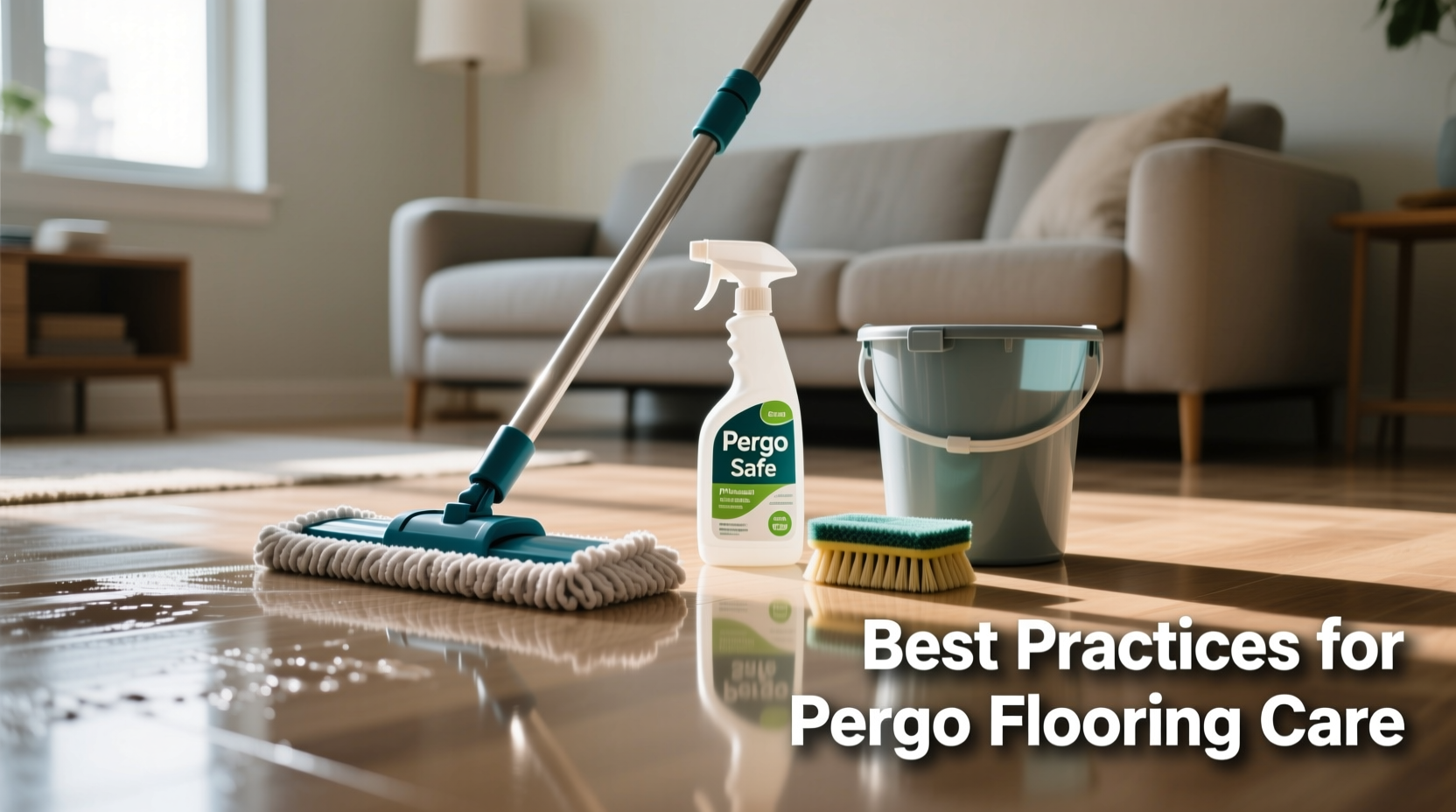
Using the right tools ensures effective cleaning without damaging the surface. Avoid anything that retains too much water or scratches the finish.
| Tool/Supply | Recommended Use | Avoid If… |
|---|---|---|
| Microfiber mop | Ideal for daily dusting and damp mopping; traps dirt without scratching | Using with excess water |
| Spray bottle | For applying diluted cleaning solution evenly | Mixing with vinegar or bleach |
| Dry microfiber cloths | For spot cleaning spills immediately | Leaving spills unattended |
| Soft-bristle broom or vacuum with hardwood setting | Removes grit and debris that can scratch over time | Using rotating brush attachments |
| Pergo Clean & Refresh or similar pH-neutral cleaner | Formulated specifically for laminate; leaves no residue | Using generic all-purpose cleaners |
Step-by-Step Guide to Daily and Deep Cleaning
Maintaining Pergo flooring involves consistent light cleaning and periodic deeper attention. Follow this routine for optimal results.
- Sweep or dry mop daily. Use a soft-bristle broom or a microfiber dry mop to remove dust, pet hair, and loose debris. Grit acts like sandpaper over time, creating micro-scratches.
- Vacuum weekly (with caution). Use a vacuum with a hard floor setting and disable the beater bar to prevent abrasion. Focus on corners and under furniture.
- Damp mop every 1–2 weeks. Mix 1 cup of distilled white vinegar with one gallon of warm water—or use a manufacturer-approved cleaner. Lightly mist the solution onto a microfiber mop (never directly on the floor), then mop in the direction of the planks.
- Tackle spills immediately. Blot liquids with a dry cloth. For sticky spills (like juice or syrup), use a slightly damp cloth followed by a dry one. Never let liquid pool.
- Deep clean monthly. For high-traffic areas, use a dedicated laminate floor cleaner. Apply with a nearly dry mop, work in small sections, and allow to air-dry completely before walking on it.
- Remove stubborn marks. For scuff marks, gently rub with a clean tennis ball or a melamine foam pad (like a Magic Eraser) using minimal pressure. Wipe afterward with a damp microfiber cloth.
Common Mistakes That Damage Pergo Floors
Even well-intentioned cleaning habits can shorten the life of your flooring. Avoid these frequent errors:
- Using steam mops: High heat and moisture penetrate seams, causing irreversible swelling.
- Overusing water: Standing water weakens the HDF core. Always use a damp, not wet, mop.
- Applying wax or polish: Pergo does not need polishing. These products create slippery, hazy buildup.
- Using vinegar excessively: While safe in dilution, daily vinegar use can degrade the wear layer over time.
- Ignoring furniture protectors: Chairs and heavy furniture can scratch. Use felt pads under all legs.
Mini Case Study: The Kitchen Spill Incident
Sarah in Minneapolis installed Pergo in her kitchen two years ago. One evening, she spilled red wine near the island and wiped it quickly—but used a wet sponge and didn’t dry thoroughly. Within days, a slight swell appeared along the seam. After consulting a technician, she learned that residual moisture had seeped in overnight. Since then, Sarah adopted a strict “blot, then dry” rule and keeps a microfiber cloth under her sink. Her floors now stay flawless, even with two kids and a dog.
Cleaning Checklist for Pergo Flooring Maintenance
📋 Pergo Floor Care Checklist- ☑ Sweep or dry mop floors daily
- ☑ Vacuum weekly (hardwood setting only)
- ☑ Damp mop every 1–2 weeks with approved cleaner
- ☑ Blot spills immediately with a dry cloth
- ☑ Use doormats at all entrances to reduce tracked-in dirt
- ☑ Place felt pads under furniture legs
- ☑ Avoid steam mops and excessive water
- ☑ Inspect edges and seams monthly for swelling or discoloration
- ☑ Store cleaning supplies in a cool, dry place away from children
- ☑ Re-evaluate cleaning products annually for safety and effectiveness
Frequently Asked Questions
Can I use a Swiffer WetJet on Pergo flooring?
Yes, but only with caution. Use the lowest moisture setting and select a cleaner specifically labeled as safe for laminate floors. Avoid models that release continuous streams of solution. Test in an inconspicuous area first.
Is vinegar safe for cleaning Pergo floors?
In moderation, yes. A diluted solution (1 part vinegar to 3–4 parts water) can remove light grime. However, frequent use may compromise the finish. Limit vinegar cleaning to once a month and always follow with a rinse using plain water on a barely damp mop.
How do I remove haze or streaks from my Pergo floor?
Haze often comes from residue buildup. Mix a quart of warm water with one capful of Pergo-approved cleaner and mop lightly. Dry thoroughly. Avoid soap-based products, which contribute to film formation.
Final Thoughts: Consistency Is Key
Keeping Pergo flooring in top condition isn’t about elaborate routines—it’s about smart, consistent habits. The right tools, gentle techniques, and immediate response to spills make all the difference. By avoiding common pitfalls and sticking to manufacturer-recommended practices, your floors will retain their beauty and structural integrity for a decade or more.
Your home deserves care that matches its value. Take a few minutes each day to protect your investment, and you’ll enjoy clean, radiant floors without the stress of repairs or replacements.




 浙公网安备
33010002000092号
浙公网安备
33010002000092号 浙B2-20120091-4
Comments
No comments yet. Why don't you start the discussion?