
Ceramic tableware and storage containers are staples in most kitchens, prized for their durability, aesthetic appeal, and versatility. From delicate porcelain teacups to sturdy stoneware bowls and glazed food jars, ceramics serve both functional and decorative purposes. However, improper care can lead to staining, chipping, cracking, or even bacterial buildup—especially in storage containers. Maintaining these items properly ensures they remain safe, hygienic, and beautiful for years.
Unlike plastic or metal alternatives, ceramics require specific handling due to their porous nature (in unglazed areas) and sensitivity to thermal shock. Understanding the right cleaning techniques, storage practices, and maintenance routines is essential for preserving their quality.
Understanding Ceramic Materials and Glazes
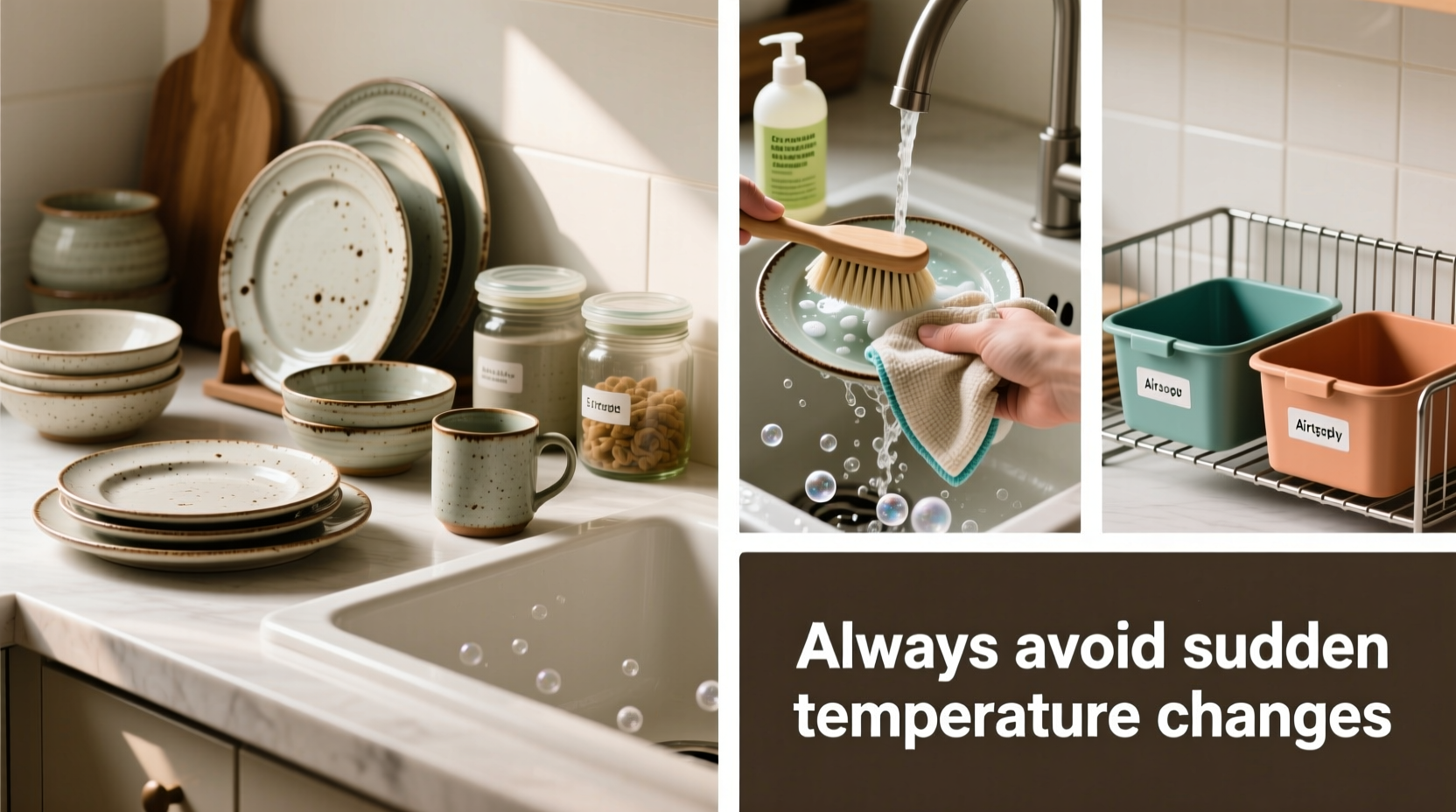
Ceramics come in various forms—earthenware, stoneware, porcelain, and bone china—each with different densities, firing temperatures, and glaze properties. While all are generally non-porous when fully glazed, microscopic cracks or unglazed bottoms can harbor moisture and bacteria over time.
Glazes create a glass-like surface that resists stains and simplifies cleaning, but they can degrade under harsh chemicals or extreme temperature changes. Acidic foods like tomato sauce or citrus stored long-term in ceramic containers may interact with certain glazes, especially older or handmade pieces with lead-based finishes (now largely phased out in commercial products).
“Always check manufacturer labels for microwave, dishwasher, and oven safety. Not all ceramics are created equal.” — Dr. Lena Patel, Materials Scientist & Kitchenware Safety Consultant
Daily Cleaning Best Practices
Regular washing after use prevents residue buildup and maintains hygiene. Most modern ceramic dishes are dishwasher-safe, but handwashing remains the gentlest method, particularly for decorated or vintage pieces.
Handwashing Procedure
- Rinse off food debris immediately after use.
- Use warm water and a few drops of pH-neutral dish soap.
- Wash with a soft sponge or cloth, focusing on crevices and rims.
- Rinse thoroughly to remove all soap residue.
- Allow to air-dry on a clean rack or towel—avoid stacking while damp.
Dishwasher Use Guidelines
- Load items securely to prevent clinking during cycles.
- Place larger items on the bottom rack; cups and bowls should face downward.
- Avoid overcrowding to ensure proper water circulation.
- Select a normal or eco cycle—avoid high-heat drying if possible.
| Cleaning Method | Best For | Limitations |
|---|---|---|
| Handwashing | Fine china, hand-painted ceramics, vintage ware | Time-consuming for large sets |
| Dishwasher (gentle cycle) | Microwave-safe stoneware, everyday plates and mugs | May dull metallic trims over time |
| Soaking + Baking Soda Paste | Tough stains, coffee/tea rings, mineral deposits | Not suitable for cracked or crazed glaze |
Removing Stains and Restoring Shine
Over time, white plates may yellow, and mugs often develop stubborn tea or coffee rings. These issues stem from tannins, minerals in hard water, or residual oils. Commercial cleaners aren’t always necessary—household ingredients work effectively.
Step-by-Step Guide: Deep Cleaning Stained Ceramics
- Soak: Submerge stained items in warm water mixed with 2 tablespoons of baking soda for 1–2 hours.
- Scrub: Apply a paste of baking soda and water to stained areas. Gently rub with a non-abrasive sponge.
- Vinegar Boost: For limescale or cloudy film, wipe interior surfaces with white vinegar, then rinse.
- Bake (for containers): In rare cases, place oven-safe ceramic containers in a cold oven, heat to 350°F (175°C), bake for 15 minutes with a bowl of water inside to loosen residue, then cool and wash.
- Rinse and Dry: Rinse completely and allow to dry upright to prevent water pooling.
Safe Storage Techniques
Improper storage leads to chips, cracks, and cross-contamination. This is especially critical for ceramic storage containers used for dry goods, leftovers, or meal prep.
- Stack plates with felt or fabric protectors between layers.
- Store lids separately or slightly ajar to prevent vacuum seals and moisture trapping.
- Keep containers in a cool, dry cabinet away from heat sources like ovens or dishwashers.
- Label contents and dates clearly when storing food—avoid prolonged storage of acidic or oily foods unless the container is specifically designed for it.
Mini Case Study: Preventing Mold in Ceramic Jars
Sarah, a home baker in Portland, noticed a faint musty smell coming from her favorite set of ceramic flour jars. Despite regular wiping, moisture had seeped into the unglazed base during kitchen humidity spikes. She began placing silica gel packets inside each jar and switched to storing them in a lower cabinet away from the dishwasher’s steam vent. Within weeks, the odor disappeared, and her dry goods stayed fresher longer. Her key insight: “Even sealed containers need breathability and dry environments.”
Do’s and Don’ts at a Glance
| Do’s | Don’ts |
|---|---|
| Wash promptly after use | Leave wet ceramics stacked overnight |
| Use soft cloths and mild cleaners | Scrub with steel wool or bleach regularly |
| Check for cracks before reheating | Expose cold ceramics to sudden high heat |
| Inspect glaze integrity annually | Store acidic foods in non-labeled handmade pottery |
| Air-dry completely before storing | Use chipped or cracked items for food |
FAQ
Can I put ceramic containers in the microwave?
Most glazed ceramics labeled as microwave-safe are fine, but avoid those with metallic trim or cracks. Always test by heating a cup of water alongside the empty container—if the container gets hot while the water stays cool, it’s absorbing energy and shouldn’t be used.
How do I know if my ceramic has lead in the glaze?
Modern mass-produced ceramics sold in the U.S., EU, and Canada comply with strict lead regulations. For older, imported, or handmade pieces, use a home lead test kit available at hardware stores. If in doubt, avoid storing acidic foods like tomatoes or citrus in them.
Why does my ceramic dish have brown spots after dishwashing?
Brown spots often result from iron deposits in water or rust from dishwasher racks. Clean the rack coating and consider using a rinse aid. Soak the dish in a citric acid solution or diluted vinegar to lift mineral stains.
Essential Care Checklist
- ✔ Inspect all tableware for chips, cracks, or crazing
- ✔ Deep-clean stained mugs and plates with baking soda paste
- ✔ Wipe down storage container rims and seals
- ✔ Rotate stored items to prevent static pressure damage
- ✔ Re-evaluate storage location for humidity and temperature stability
- ✔ Discard any item with deep cracks or flaking glaze
Conclusion
Caring for ceramic tableware and storage containers doesn’t require specialized tools or expensive products—just consistent attention and informed habits. By understanding material limits, avoiding thermal shocks, cleaning properly, and storing thoughtfully, you protect both your investment and your health. Well-maintained ceramics not only last decades but also contribute to a safer, more sustainable kitchen environment.




 浙公网安备
33010002000092号
浙公网安备
33010002000092号 浙B2-20120091-4
Comments
No comments yet. Why don't you start the discussion?