
Ipe wood, also known as Brazilian walnut, is one of the most durable and sought-after hardwoods for outdoor decking. Its natural resistance to rot, insects, and weathering makes it ideal for high-traffic areas exposed to the elements. However, even the toughest materials require proper maintenance. Over time, ipe decks can develop graying, mildew, surface debris, and staining if not cleaned correctly. The key to preserving both the appearance and structural integrity of your ipe deck lies in using effective, safe cleaning methods that enhance longevity without causing damage.
Unlike softer woods or composite materials, ipe demands a tailored approach. Aggressive pressure washing or harsh chemical cleaners may strip its natural oils or etch the surface. This guide outlines the most effective, professional-grade techniques for cleaning an ipe deck—methods trusted by contractors, landscapers, and preservation experts across North America.
Understanding Ipe Wood and Its Cleaning Needs
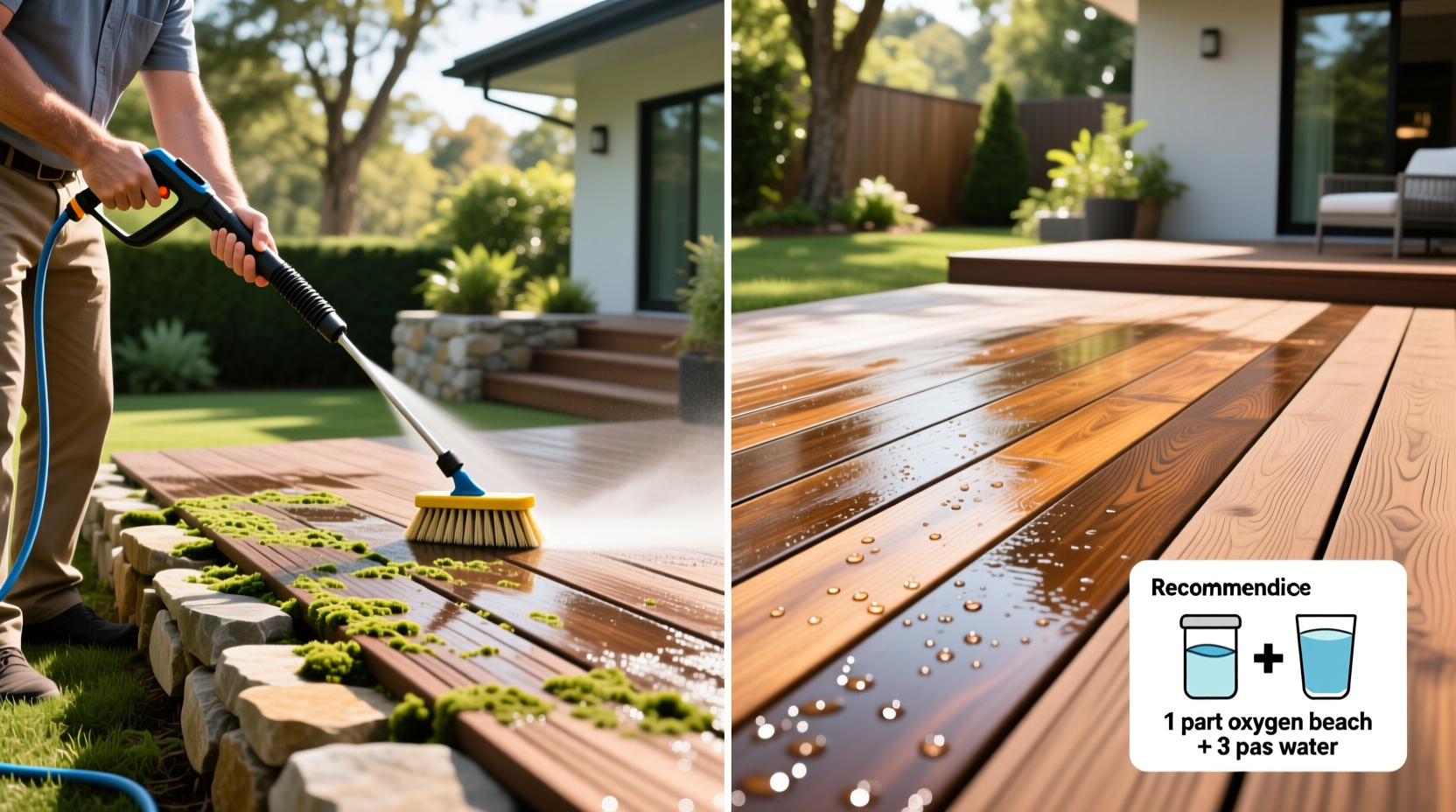
Ipe is exceptionally dense, with a Janka hardness rating of around 3,600 lbf—more than twice that of white oak. This density contributes to its remarkable resilience but also affects how it responds to moisture, sunlight, and cleaning agents. When newly installed, ipe has a rich, warm tone ranging from golden brown to deep amber. However, within six to twelve months of sun exposure, UV rays cause the wood to turn a silvery-gray patina. While this is natural and many homeowners appreciate the aged look, others prefer to restore the original color.
Cleaning isn't just about aesthetics. Accumulated dirt, organic growth like mold and mildew, and tannin stains from leaves or metal runoff can compromise the wood’s surface over time. Regular cleaning removes contaminants and prepares the surface for sealing or oiling, which helps slow down graying and protects against moisture penetration.
Step-by-Step Guide to Deep Cleaning Your Ipe Deck
A thorough cleaning process ensures optimal results while minimizing risk of damage. Follow this sequence carefully for best outcomes.
- Sweep and Clear the Surface: Remove all furniture, planters, and debris. Use a stiff-bristle broom (not metal) to sweep away loose dirt, leaves, and cobwebs between boards.
- Pre-Rinse with Water: Lightly wet the entire deck with a garden hose. This prevents rapid drying of cleaning solutions and reduces absorption shock.
- Apply a Specialized Ipe Cleaner: Use an oxygen-based or hardwood-specific deck cleaner. Avoid chlorine bleach or acid-based products unless dealing with severe mildew, as they can degrade lignin in wood fibers.
- Scrub Gently with a Soft Brush: Work in small sections, scrubbing along the grain with a synthetic brush. Never use wire brushes or aggressive pads.
- Rinse Thoroughly: Rinse completely with low-pressure water (under 1,500 PSI). High pressure can splinter or groove ipe despite its hardness.
- Allow Full Drying (48–72 Hours): Let the deck dry completely before assessing whether additional treatment is needed.
If restoring color is desired, consider using a wood brightener containing oxalic acid after cleaning. It helps dissolve grayed fibers and evens out discoloration caused by oxidation.
Do’s and Don’ts When Cleaning Ipe Decks
| Do’s | Don’ts |
|---|---|
| Use pH-neutral or oxygen-based cleaners | Use chlorine bleach regularly—it weakens wood fibers |
| Work with the grain when scrubbing | Pressure wash above 1,500 PSI—can cause pitting |
| Wear protective gear (gloves, goggles) | Leave cleaning solution on too long—follow product instructions |
| Reapply penetrating oil annually | Seal with film-forming finishes—they trap moisture and peel |
| Clean in cool, overcast conditions | Clean under direct sunlight—causes uneven drying and streaks |
Expert Insight: Why Proper Technique Matters
“Many homeowners ruin their ipe decks trying to save time with high-pressure washers or household cleaners. Ipe doesn’t need brute force—it needs precision. A gentle, consistent method preserves the wood’s integrity far better than aggressive treatments.” — Daniel Reyes, Certified Master Deck Builder & NWFA Member
This sentiment echoes throughout the industry. Over-cleaning or improper tools may yield short-term visual improvement but often lead to premature aging, checking (surface cracks), or moisture retention beneath damaged fibers. Respecting the material’s nature leads to decades of service—some ipe decks last over 40 years with minimal degradation.
Maintenance Checklist for Year-Round Deck Care
- ✅ Sweep weekly during heavy leaf season
- ✅ Inspect fasteners and gaps annually
- ✅ Clean thoroughly every 12 months
- ✅ Apply penetrating hardwood oil after cleaning (optional, for color retention)
- ✅ Trim nearby vegetation to reduce shade and moisture buildup
- ✅ Address spills or stains promptly (especially wine, oil, or fertilizer)
For those who prefer the natural silver-gray patina, oiling is optional. But if you wish to maintain the rich, original hue, reapplying a UV-inhibiting oil every 12 to 18 months significantly slows fading.
Real Example: Restoring a Neglected Ipe Deck in Coastal Connecticut
A homeowner in Old Lyme, CT had inherited a five-year-old ipe deck that had never been cleaned. After years of salt spray, shade from pine trees, and leaf accumulation, the surface was heavily mottled with black mildew spots and deep graying. They attempted pressure washing at 3,000 PSI, which only worsened the texture, leaving visible swirl marks and raised grain.
They consulted a local deck restoration specialist who recommended a two-stage process: first, applying a diluted solution of oxygen bleach and water left to dwell for 15 minutes, then light scrubbing with nylon brushes. After rinsing at 1,200 PSI, a wood brightener was used to lift residual stains. The result? A uniformly cleaned surface ready for oiling—without any structural damage. Within a week, the deck regained much of its original warmth and luster.
This case underscores the importance of patience and correct methodology over speed and power.
Frequently Asked Questions
Can I use a regular deck cleaner on ipe?
Not all deck cleaners are suitable. Standard cleaners formulated for softwoods like cedar or pressure-treated pine may be too harsh or ineffective on dense tropical hardwoods. Always choose a product labeled safe for ipe or exotic hardwoods, preferably oxygen-based rather than chlorine-based.
How often should I seal or oil my ipe deck?
Ipe does not require sealing, but applying a penetrating oil with UV inhibitors once per year helps preserve its original color. Without oil, expect full graying within 12–18 months. There’s no harm in skipping oil if you prefer the weathered look.
Is pressure washing safe for ipe?
Only when done correctly. Use a fan tip nozzle and keep pressure below 1,500 PSI. Hold the wand at a 45-degree angle and maintain a distance of at least 8 inches from the surface. Never point the jet directly into wood grain or near fasteners.
Conclusion: Protect Your Investment with Smart Cleaning
Your ipe deck is more than an outdoor feature—it's a long-term investment built to endure decades of use. The best way to clean ipe deck surfaces combines knowledge, the right products, and disciplined technique. By avoiding common pitfalls like excessive pressure or corrosive chemicals, and instead embracing gentle yet effective cleaning routines, you ensure your deck remains structurally sound and visually appealing for years to come.




 浙公网安备
33010002000092号
浙公网安备
33010002000092号 浙B2-20120091-4
Comments
No comments yet. Why don't you start the discussion?