
Urine odor in carpet is more than just unpleasant—it can be persistent, embarrassing, and difficult to remove if not addressed correctly. Whether it's from a pet accident or a toddler mishap, urine soaks deep into carpet fibers, padding, and even subflooring, making surface cleaning ineffective. The key to eliminating the smell isn’t masking it with air fresheners but breaking down the compounds that cause the odor at their source. This guide outlines proven, step-by-step strategies backed by chemistry and professional cleaning expertise to completely neutralize and remove urine smells from carpets.
Understanding Why Urine Smell Lingers
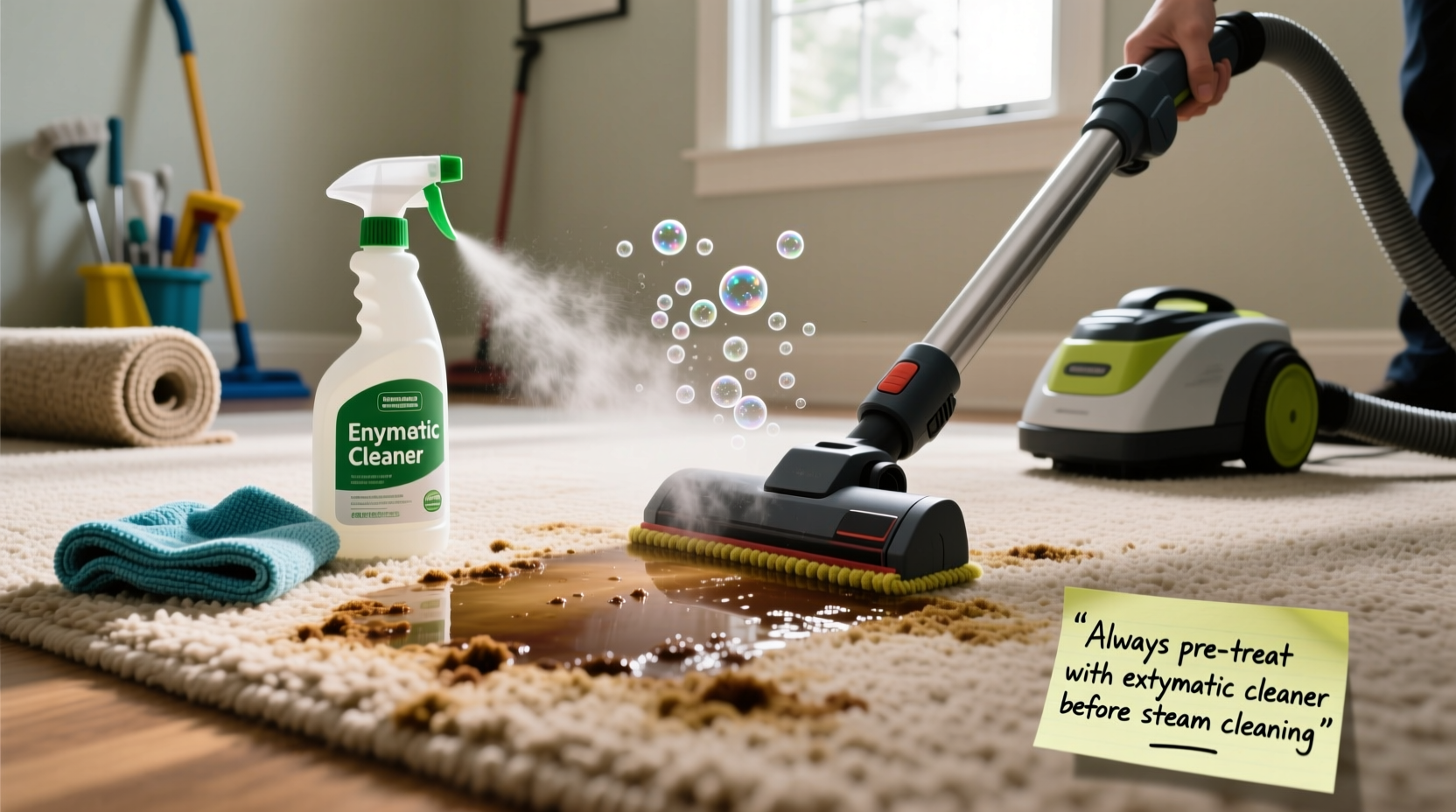
Urine contains urea, uric acid, ammonia, and bacteria. When left untreated, these components crystallize and embed themselves into carpet fibers and padding. As humidity rises or when the area is dampened again, these crystals reactivate and release odors. Most household cleaners only tackle surface stains and temporary smells, leaving behind the root cause. Enzymatic cleaners are essential because they contain live bacteria and enzymes that digest uric acid and organic matter, effectively removing the odor at its biological level.
“Most people fail because they treat the symptom—the smell—instead of the source. You need biology on your side, not just soap.” — Dr. Lena Torres, Microbiologist & Cleaning Science Consultant
Step-by-Step Guide: Eliminating Pee Smell from Carpet
Follow this comprehensive process to ensure complete odor removal. Rushing or skipping steps often leads to recurring smells.
- Blot Immediately (If Fresh): Use paper towels or a clean cloth to absorb as much liquid as possible. Press down; don’t rub, which spreads the stain.
- Vacuum Thoroughly: Remove any dried crystals or residue from the surface before applying liquids.
- Apply an Enzymatic Cleaner: Choose a high-quality enzymatic cleaner designed for pet urine. Saturate the area completely so the solution reaches the padding beneath.
- Cover and Wait: Place a plastic wrap over the wet area for 6–8 hours. This prevents evaporation and forces the solution deeper into the padding.
- Allow Full Drying: Let the area air-dry naturally for 24–48 hours. Avoid walking on it. Use fans or dehumidifiers to speed drying without heat.
- Reapply if Necessary: For old or severe stains, repeat the process once fully dry.
Do’s and Don’ts When Treating Urine Odor
| Do’s | Don’ts |
|---|---|
| Use enzymatic cleaners with live cultures | Use ammonia-based cleaners (they mimic urine scent and attract pets back) |
| Saturate the area to reach the padding | Scrub aggressively (spreads contamination) |
| Vacuum before and after treatment | Apply heat too soon (sets stains) |
| Test cleaners on a hidden spot first | Use bleach (creates toxic fumes when mixed with ammonia in urine) |
| Aerate the room during drying | Rely solely on baking soda without deep treatment |
Alternative Remedies That Work (and Some That Don’t)
While commercial enzymatic cleaners are the gold standard, some home remedies can support odor control when used correctly.
- White Vinegar Solution (50% water, 50% vinegar): Helps neutralize ammonia odors. Apply before enzymatic treatment but never after—vinegar can kill the beneficial bacteria in enzyme cleaners.
- Baking Soda: Excellent for absorbing residual moisture and odor post-cleaning. Sprinkle generously after the area is dry, wait 4–6 hours, then vacuum.
- Hydrogen Peroxide (3%): Can break down organic matter and disinfect. Mix with a few drops of dish soap and baking soda. Test for colorfastness first—may bleach some dyes.
However, avoid relying solely on lemon juice, essential oils, or Febreze. These only mask odors and do nothing to destroy uric acid crystals. In fact, citrus scents may encourage animals to mark the same spot again.
Mini Case Study: Resolving a Year-Old Dog Accident
Sarah from Portland had struggled for months with a persistent urine smell near her living room couch. Her dog had an accident over a year prior, and despite multiple cleanings with store-bought sprays, the odor returned every humid summer. She finally consulted a carpet technician who used a blacklight to detect residual fluorescence—a sign of lingering urine. After two applications of a professional-grade enzymatic cleaner with extended dwell time under plastic, followed by deep drying with industrial fans, the smell vanished completely. Six months later, no recurrence. The lesson? Deep penetration and patience are critical.
Checklist: Complete Urine Odor Removal Process
Use this checklist to ensure no step is missed:
- ☐ Identify the affected area (use a blacklight in dark room if unsure)
- ☐ Blot up fresh urine immediately
- ☐ Vacuum the site thoroughly
- ☐ Apply enzymatic cleaner liberally
- ☐ Cover with plastic wrap for 6–8 hours
- ☐ Allow 24–48 hours for full drying
- ☐ Sprinkle baking soda and vacuum after drying
- ☐ Reassess smell and re-treat if necessary
- ☐ Consider professional extraction for large or old stains
When to Call a Professional
If the stain covers a large area, has soaked through to the subfloor, or persists after two thorough treatments, professional help is recommended. Certified carpet cleaners use truck-mounted extraction systems that pull out far more moisture and contaminants than portable units. They also have access to industrial-strength enzymatic solutions and may apply antimicrobial sealers to prevent future microbial growth.
In cases of repeated urination in the same spot, behavioral causes should also be evaluated. A veterinarian can rule out medical issues in pets, while parents may need to address toilet training or anxiety-related incidents in children.
Frequently Asked Questions
Can I use regular carpet shampoo to remove pee smell?
No. Most carpet shampoos are detergent-based and designed for dirt and oil, not biological waste. They may temporarily reduce the smell but won’t break down uric acid crystals. Using them can even trap moisture and worsen the problem.
How long does it take for the smell to go away after cleaning?
With proper enzymatic treatment, noticeable improvement occurs within 24 hours. Complete elimination usually takes 48–72 hours as the enzymes continue working during the drying phase. Lingering smells suggest incomplete saturation or the need for reapplication.
Will replacing the carpet solve the issue?
Not necessarily. If the urine has seeped into the padding or subfloor, new carpet installed over contaminated materials will quickly absorb odors and become tainted. Always test underlying layers and clean or replace them as needed.
Final Thoughts: Prevention and Long-Term Success
Eliminating pee smell from carpet requires more than surface-level effort—it demands understanding the science of decomposition and committing to a thorough process. Immediate action, the right products, and adequate drying time are non-negotiable for lasting results. Once the odor is gone, consider preventive measures like area rugs in high-risk zones, pet training reinforcement, or installing odor-blocking barriers during carpet replacement.
Remember, persistence pays off. One-time cleaning might not suffice for old or deep-seated stains. Repeating the enzymatic treatment ensures all organic matter is consumed. With the right approach, your carpet can be truly odor-free—not just today, but for years to come.




 浙公网安备
33010002000092号
浙公网安备
33010002000092号 浙B2-20120091-4
Comments
No comments yet. Why don't you start the discussion?