
Dealing with cat urine on carpet is more than just a cleaning challenge—it's a battle against persistent odors, bacteria, and potential pet behavior issues. Cat urine contains uric acid, which can crystallize and re-emerge when exposed to moisture, making it one of the most stubborn household odors to eliminate. Simply masking the scent won’t work. To truly solve the problem, you need a strategy that combines immediate cleanup, enzymatic breakdown, and preventive measures. This guide delivers proven, step-by-step methods backed by cleaning science and veterinary insight to help you reclaim your home’s freshness—safely and effectively.
Why Cat Urine Smell Lingers in Carpet
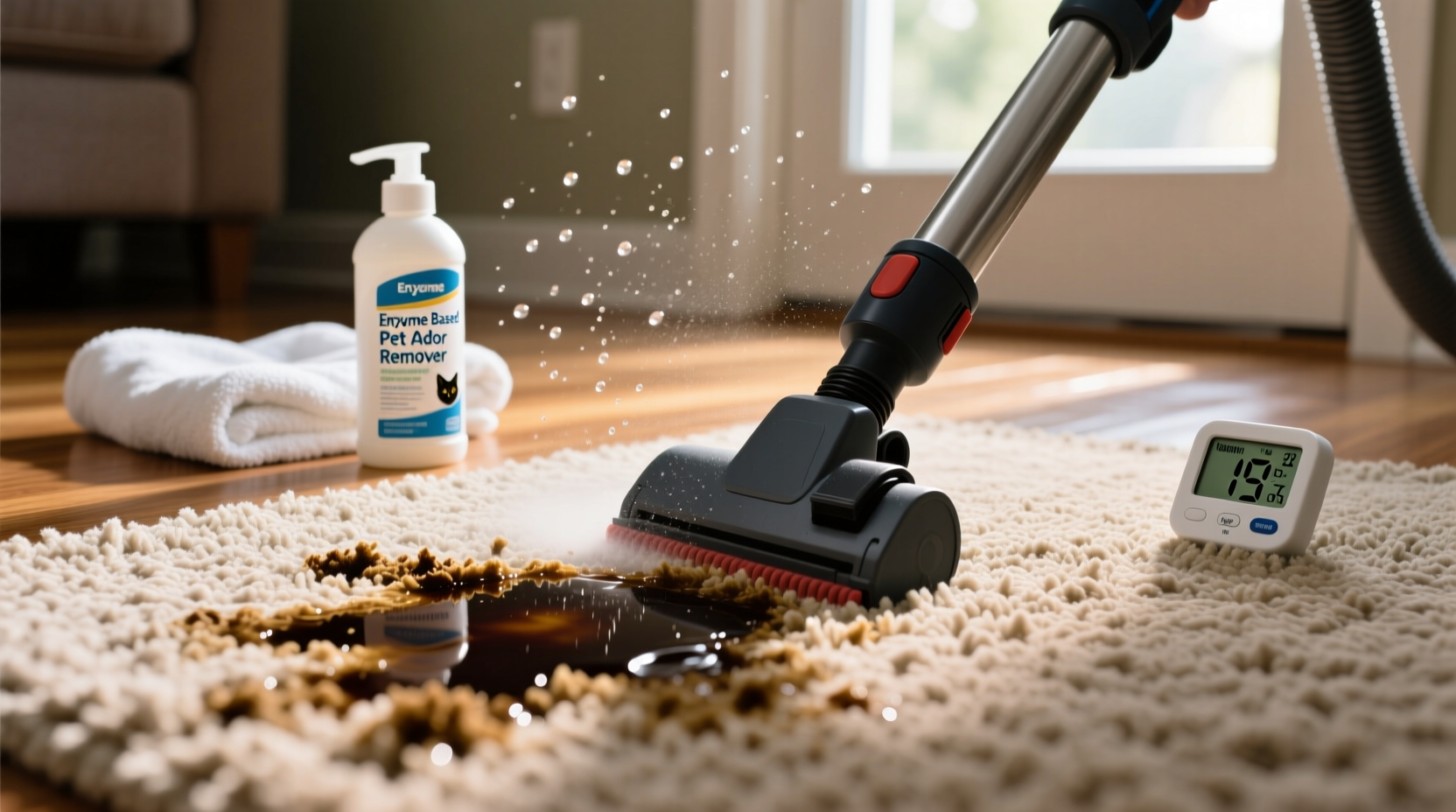
Cat urine isn't like water or spilled juice. It contains urea, urobilin, hormones, and uric acid. While surface cleaning may remove visible stains, uric acid crystals embed deep into carpet fibers and padding. These crystals remain dormant until humidity or heat triggers their reactivation, releasing that unmistakable ammonia-like odor months later. Standard household cleaners often fail because they don’t break down these compounds—they merely cover them up.
“Enzymatic cleaners are essential because they digest the organic components of urine at a molecular level. No enzyme, no real solution.” — Dr. Laura Hemming, DVM, Feline Behavior Consultant
Additionally, if a cat detects its own scent residue, it may re-mark the same spot out of instinct. This creates a cycle of repeated accidents unless the odor is completely eradicated.
Step-by-Step Guide: Removing Cat Urine Smell from Carpet
Immediate action significantly increases your chances of permanent odor removal. Follow this timeline-based method for maximum effectiveness:
- Blot Immediately (0–10 minutes after accident): Use paper towels or a clean cloth to absorb as much liquid as possible. Press firmly—do not rub, as this spreads the urine deeper into fibers.
- Sprinkle Baking Soda (Optional for Fresh Stains): Helps absorb moisture and neutralize initial odor. Vacuum after 15 minutes.
- Apply Enzymatic Cleaner (Within 24 hours): Generously saturate the area and underlying padding. Follow product instructions for dwell time (usually 10–30 minutes).
- Use a Wet Vacuum or Towels to Extract Moisture: Remove excess liquid to speed drying and reduce bacterial growth.
- Air Dry Completely (6–12 hours): Use fans or open windows. Avoid walking on the area until fully dry.
- Repeat if Necessary: For old or recurring stains, repeat the process every 48 hours until no odor remains.
Best Cleaning Solutions Compared
Not all cleaners are created equal. The following table compares common options based on safety, effectiveness, and cost:
| Product Type | Effectiveness | Safety (Pets/Kids) | Cost Range | Notes |
|---|---|---|---|---|
| Enzymatic Cleaners | ★★★★★ | High | $10–$25 | Digests urine compounds; gold standard for pet odors |
| Vinegar & Water (1:1) | ★★★☆☆ | High | $1–$3 | Good for fresh stains; acidic but doesn’t destroy uric acid |
| Baking Soda | ★★☆☆☆ | High | $2–$5 | Odor absorber only; must be paired with other methods |
| Hydrogen Peroxide (3%) | ★★★★☆ | Moderate | $3–$6 | Can bleach some carpets; never mix with vinegar |
| Ammonia-Based Cleaners | ★☆☆☆☆ | Low | $4–$8 | Worsens odor; attracts cats due to similar chemical profile |
For long-term success, enzymatic cleaners such as Nature’s Miracle, Rocco & Roxie, or Bubba’s Rowdy contain live bacteria that consume uric acid. They’re specifically formulated for pet messes and are safe for most carpets when used correctly.
Real Example: Breaking the Recurrence Cycle
Sarah from Portland noticed her cat, Luna, kept returning to the same spot near the bedroom door. Despite steam cleaning and air fresheners, the odor returned within days. After consulting a vet, she learned Luna was reacting to residual scent marking. Sarah followed a strict protocol: first blotting, then applying an enzymatic cleaner twice over three days, ensuring full penetration into the pad. She also placed a temporary barrier—a yoga mat weighted with books—over the area to deter access. Within a week, the odor vanished, and Luna stopped revisiting the spot. The key was consistency and targeting the root cause, not just the surface.
Do’s and Don’ts When Treating Cat Urine
- Do act quickly—within minutes, if possible.
- Do use cold water for rinsing; hot water sets proteins.
- Do ventilate the room during and after cleaning.
- Do consider replacing padding if saturation is severe.
- Don’t use steam cleaners before treating with enzymes—they can set the stain.
- Don’t rely on fragrance-heavy sprays—they mask but don’t fix.
- Don’t punish your cat for accidents—this increases stress and marking.
Frequently Asked Questions
Can I use vinegar and baking soda together?
Yes, but not simultaneously. First, apply vinegar solution to neutralize alkaline salts in dried urine. After 5–10 minutes, blot and sprinkle baking soda to absorb moisture and odor. However, vinegar alone won’t destroy uric acid crystals, so follow up with an enzymatic treatment for lasting results.
How do I know if the smell is really gone?
Wait until the area is completely dry—odors often return upon drying. Get close to the carpet and inhale deeply. If you detect even a faint trace, reapply the enzymatic cleaner. Some pet owners use blacklights at night; dried urine fluoresces under UV light, revealing hidden spots.
What if the urine soaked through to the subfloor?
If the padding or subfloor is contaminated, professional remediation may be needed. Remove affected padding, clean the subfloor with a disinfectant-safe solution (like diluted enzymatic cleaner), and allow thorough drying before reinstalling new padding. In extreme cases, sealing the subfloor with a primer like Kilz Original can lock in residual odors.
Prevention Tips to Stop Future Accidents
Eliminating the smell is only half the battle. Prevent recurrence with these strategies:
- Keep litter boxes clean—scoop daily and change litter weekly.
- Provide one litter box per cat, plus one extra, placed in quiet, accessible locations.
- Rule out medical issues—urinary tract infections or kidney problems can cause inappropriate elimination.
- Reduce stress with pheromone diffusers like Feliway, especially during household changes.
- Block access to previously soiled areas with furniture or temporary barriers until fully treated.
“Over 70% of inappropriate urination cases have an underlying medical or environmental trigger. Cleaning is step two—not step one.” — Dr. Alan Teller, Board-Certified Veterinary Behaviorist
Conclusion: A Clean Home Starts with the Right Approach
Removing cat urine smell from carpet isn’t about finding the strongest cleaner—it’s about understanding the chemistry of urine and acting with precision. Immediate blotting, proper use of enzymatic treatments, and attention to underlying behavioral or health factors form the foundation of a lasting solution. Whether you're dealing with a one-time accident or a recurring issue, the methods outlined here offer a clear, actionable path forward. Don’t settle for temporary fixes. Invest time in doing it right once, and you’ll enjoy a fresher, healthier home—and a happier cat.




 浙公网安备
33010002000092号
浙公网安备
33010002000092号 浙B2-20120091-4
Comments
No comments yet. Why don't you start the discussion?