
Designer phone cases are more than just protective accessories—they're fashion statements, status symbols, and often significant investments. Whether your case is made from premium leather, hand-painted resin, brushed metal, or soft silicone with intricate detailing, improper cleaning can dull finishes, cause discoloration, or even compromise structural integrity. Many people assume that wiping a phone case with any cloth or soap will suffice, but luxury materials demand thoughtful care. This guide outlines precise, tested techniques to keep your designer case looking pristine while preserving its value and function.
Understanding Your Case Material
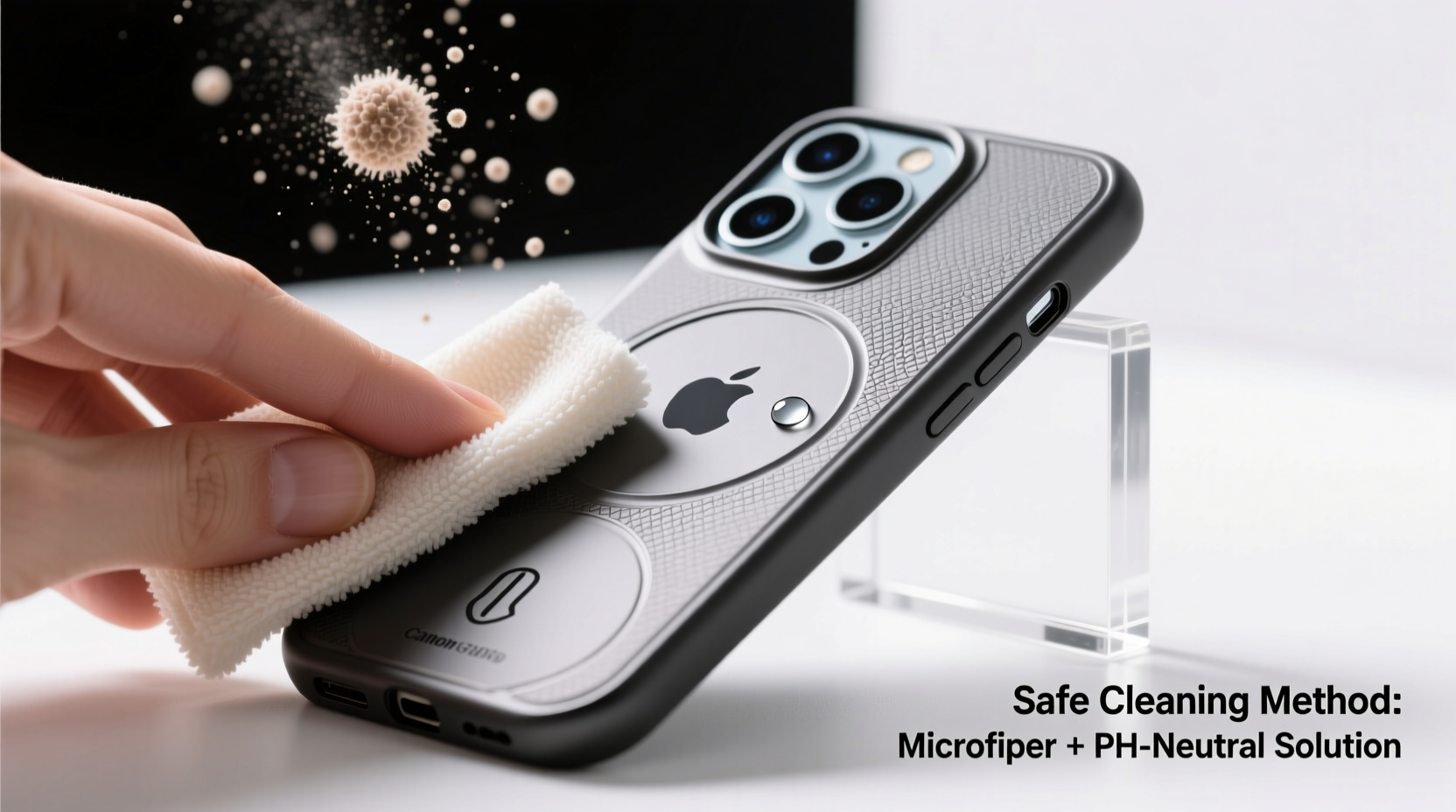
The first step in safe cleaning is identifying the material of your phone case. Different fabrics and finishes react differently to moisture, friction, and chemicals. Common designer case materials include:
- Leather (genuine or synthetic): Prone to drying and staining if exposed to harsh cleaners.
- Silicone or TPU: Flexible and durable but can trap oils and collect dust in textured surfaces.
- Acrylic or resin: Often used for artistic designs; sensitive to scratches and solvents.
- Wood or bamboo: Natural materials that can warp or crack with excess moisture.
- Metal (aluminum, titanium): Resistant to wear but may have coatings that degrade with abrasives.
Cleaning a leather case with alcohol wipes—commonly used for disinfecting—can strip natural oils and lead to cracking. Similarly, submerging a wooden case in water might seem like a deep clean, but it risks warping or delamination over time.
Step-by-Step Cleaning Process by Material Type
A one-size-fits-all approach doesn’t work for designer accessories. Below is a detailed breakdown of how to clean each major type of case safely and effectively.
For Leather Cases
- Remove the case from your phone and gently wipe surface dust with a dry microfiber cloth.
- Dampen a second microfiber cloth slightly with distilled water—never soak it.
- Gently wipe the surface using light pressure. Avoid circular motions that may spread grime.
- For stubborn marks, use a specialized leather cleaner applied sparingly with a cotton swab.
- Allow the case to air-dry completely away from direct heat or sunlight.
- Once dry, condition the leather with a pH-balanced leather conditioner to restore moisture.
For Silicone or TPU Cases
- Remove the case and rinse under lukewarm running water to loosen debris.
- Apply a drop of mild dish soap to a soft-bristled toothbrush.
- Scrub gently along seams, edges, and textured areas where dirt accumulates.
- Rinse thoroughly to remove all soap residue.
- Pat dry with a lint-free towel and let air-dry completely before reattaching to your phone.
For Resin, Acrylic, or Artistic Cases
- Use a dry microfiber cloth to remove surface dust.
- If needed, lightly dampen the cloth with water mixed with a single drop of gentle hand soap.
- Wipe in straight lines, not circles, to avoid swirl marks.
- Never use ammonia-based glass cleaners or alcohol, which can cloud or etch the surface.
- Dry immediately with a second clean cloth.
For Wooden or Bamboo Cases
- Wipe with a barely damp microfiber cloth—water should never pool on the surface.
- Immediately follow with a dry cloth.
- Do not use soap or chemical cleaners.
- Occasionally apply a tiny amount of food-grade mineral oil with a soft cloth to maintain luster and prevent drying.
Do’s and Don’ts: Quick Reference Table
| Material | Do’s | Don’ts |
|---|---|---|
| Leather | Use leather-specific cleaner, condition regularly, store in breathable pouch | Use alcohol, submerge in water, expose to heat |
| Silicone/TPU | Wash with mild soap, scrub with soft brush, rinse well | Use bleach, boil, or leave soap residue |
| Resin/Acrylic | Dust regularly, wipe with damp microfiber, store flat | Use window cleaner, scratch with rough cloths, drop on hard surfaces |
| Wood/Bamboo | Dust often, use minimal moisture, apply mineral oil occasionally | Soak, use detergents, leave in humid environments |
| Metal | Wipe with dry cloth, polish with jewelry cloth if tarnished | Use abrasive pads, expose to saltwater or sweat long-term |
Expert Insight on Long-Term Care
Maintaining a designer phone case isn’t just about occasional cleaning—it's about consistent habits that extend its lifespan. Industry professionals emphasize proactive maintenance over reactive fixes.
“Luxury phone cases are treated like fine accessories. Just as you wouldn’t wash a silk scarf in hot water, you shouldn’t treat a $150 designer case like a generic rubber shell. The key is regular dusting, immediate spot-cleaning, and avoiding environmental stressors like UV exposure.” — Lena Torres, Product Care Specialist at LuxeTech Accessories
Torres recommends rotating between two cases if possible—one for daily use and another for formal occasions—to reduce wear and allow thorough cleaning cycles without leaving your phone unprotected.
Real Example: A Cautionary Tale
Sophie, a marketing executive in London, purchased a limited-edition leather iPhone case from a high-end Italian brand. After three months, she noticed fading and small cracks near the corners. She had been using disinfectant wipes daily, believing it was hygienic. Unfortunately, the alcohol in the wipes dried out the leather over time. Upon consulting the brand’s care guide, she learned that only water-moistened cloths and their branded leather balm were recommended. After switching her routine and applying conditioner, the case stabilized—but the damage was irreversible. Her experience underscores the importance of matching cleaning methods to material needs.
Essential Cleaning Checklist
Before every cleaning session, refer to this checklist to ensure safety and effectiveness:
- ✅ Identify the case material
- ✅ Remove the case from your phone
- ✅ Gather appropriate tools: microfiber cloths, soft brush, mild soap, distilled water
- ✅ Test cleaning method on a small hidden area
- ✅ Avoid soaking, scrubbing too hard, or using household chemicals
- ✅ Dry thoroughly before reattaching to device
- ✅ Store in a dust-free, temperature-controlled environment when not in use
Frequently Asked Questions
Can I use hand sanitizer to clean my phone case?
No. Hand sanitizers contain high concentrations of alcohol (often 60–70%), which can degrade adhesives, fade colors, and dry out natural materials like leather or wood. Use a water-dampened microfiber cloth instead for light disinfection.
How often should I clean my designer phone case?
Light surface cleaning should be done weekly, especially if carried in pockets or bags. Deep cleaning—depending on usage—should occur every 4 to 6 weeks. Over-cleaning can be as harmful as neglect, particularly for porous materials.
Is it safe to put a phone case in the dishwasher or washing machine?
Absolutely not. The high heat, strong detergents, and mechanical agitation in dishwashers and washing machines can warp, discolor, or destroy even the most durable designer cases. Always clean by hand using gentle methods.
Protect Your Investment with Smart Habits
Your designer phone case reflects your taste and protects your device, but it requires more than casual handling. By understanding the materials, following correct cleaning procedures, and avoiding common mistakes, you preserve both aesthetics and functionality. Small habits—like removing the case before washing hands, storing it in a fabric pouch, or conditioning leather monthly—compound into years of elegant use. Treat your case not as disposable tech gear, but as the premium accessory it is.




 浙公网安备
33010002000092号
浙公网安备
33010002000092号 浙B2-20120091-4
Comments
No comments yet. Why don't you start the discussion?