
A clean air conditioning (AC) filter is essential for maintaining healthy indoor air, maximizing system efficiency, and extending the lifespan of your HVAC unit. Over time, filters accumulate dust, pollen, pet dander, and other airborne particles. When clogged, they restrict airflow, forcing your AC to work harder—increasing energy consumption and reducing cooling effectiveness. Regular cleaning or replacement not only improves air quality but also prevents costly repairs. This guide outlines proven techniques to keep your AC filter in optimal condition.
Why Cleaning Your AC Filter Matters
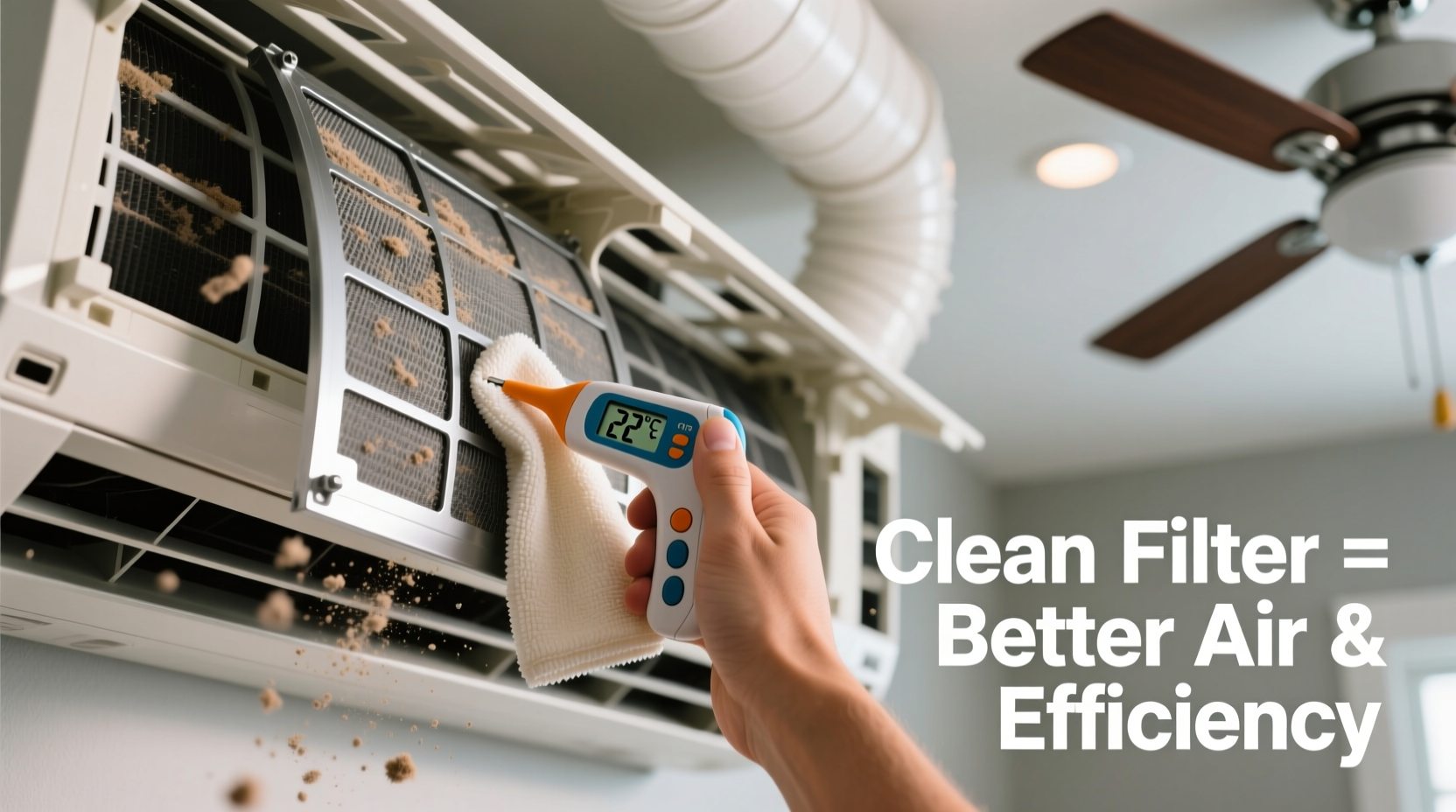
Your AC filter acts as the first line of defense against indoor air pollutants. A dirty filter compromises both health and system performance. According to the U.S. Department of Energy, replacing a dirty filter with a clean one can lower your air conditioner’s energy consumption by 5% to 15%. Additionally, the Environmental Protection Agency (EPA) identifies poor indoor air quality as a significant health risk, particularly for individuals with allergies or respiratory conditions.
When airflow is restricted due to a clogged filter, your AC unit must run longer cycles to achieve desired temperatures. This leads to increased wear on components like the compressor and blower motor, raising the likelihood of breakdowns. In extreme cases, ice can form on the evaporator coil due to insufficient airflow, causing system failure.
“Regular filter maintenance is the single most impactful thing homeowners can do to improve HVAC performance and indoor air quality.” — Dr. Alan Torres, HVAC Systems Engineer
How Often Should You Clean or Replace Your Filter?
The frequency depends on several factors, including household size, pets, local air quality, and filter type. As a general rule:
- Standard fiberglass filters: Replace every 30 days.
- Pleated filters: Clean or replace every 60–90 days.
- Washable/reusable filters: Clean monthly during peak usage (summer/winter).
- Homes with pets or allergy sufferers: Inspect every 2–3 weeks; clean or replace more frequently.
Step-by-Step Guide to Cleaning a Reusable AC Filter
Cleaning a reusable filter is a straightforward process that takes less than 30 minutes. Follow these steps for best results:
- Turn off the power: Shut down your AC unit at the thermostat and circuit breaker to ensure safety during maintenance.
- Locate the filter: Most filters are found behind the return air grill in a wall, ceiling, or near the furnace/air handler.
- Remove the filter: Slide it out carefully. Note its size and airflow direction (marked by an arrow) for reinstallation.
- Vacuum loose debris: Use a brush attachment on your vacuum to remove surface dust from both sides.
- Rinse with water: Hold the filter under lukewarm running water, starting from the clean side to push dirt outward. Avoid high-pressure sprays.
- Soak if necessary: For stubborn grime, soak the filter in a mix of mild dish soap and water for 10–15 minutes.
- Rinse again: Ensure all soap residue is washed away. Dirty residue left behind can promote mold growth.
- Let it dry completely: Place the filter upright in a shaded, well-ventilated area. Never reinstall a damp filter—it encourages microbial growth.
- Reinstall: Once fully dry (usually 1–2 hours), slide it back into place, ensuring the airflow arrow points toward the blower.
- Restore power: Turn the circuit breaker and thermostat back on.
Do’s and Don’ts of AC Filter Maintenance
| Do’s | Don’ts |
|---|---|
| Inspect your filter monthly | Use compressed air to dry the filter (can damage fibers) |
| Use gloves and eye protection when handling dirty filters | Install a wet filter |
| Clean reusable filters with gentle, non-abrasive cleaners | Ignore manufacturer recommendations for filter type |
| Upgrade to a higher MERV-rated filter if air quality is a concern | Use filters with a MERV rating above 13 without confirming system compatibility |
| Record cleaning dates for consistency | Forget to seal gaps around the filter frame |
Real-World Example: How One Family Reduced Allergy Symptoms
The Ramirez family in Phoenix, Arizona, struggled with persistent allergy symptoms each summer. Despite using air purifiers, their children experienced frequent congestion and sneezing. After consulting an HVAC technician, they discovered their AC filter hadn’t been changed in over five months—and was visibly caked with dust and debris.
They began cleaning their reusable pleated filter every three weeks and upgraded to a MERV 11 filter compatible with their system. Within a month, they reported a noticeable improvement in air quality. Their youngest child, who had mild asthma, required fewer rescue inhaler uses. The technician also noted a 12% drop in energy consumption during the following billing cycle, attributed to restored airflow and reduced system strain.
Choosing the Right Filter Type
Not all filters are created equal. Selecting the right one enhances both air quality and system compatibility:
- Fiberglass filters: Low-cost, disposable, and effective at catching large particles. Best for basic protection but offer minimal allergen filtration.
- Pleated polyester or cotton filters: Higher surface area captures finer particles like pollen and mold spores. Available in MERV ratings from 5 to 13.
- HEPA filters: Capture 99.97% of particles 0.3 microns or larger. Ideal for allergy sufferers but require system modifications due to high airflow resistance.
- Electrostatic filters: Use static charge to attract particles. Can be washable and eco-friendly, though efficiency varies with cleanliness.
Checklist: Monthly AC Filter Maintenance Routine
- ☐ Turn off power to the HVAC system
- ☐ Remove the filter and inspect for dust buildup
- ☐ Vacuum both sides gently
- ☐ Soak and rinse if reusable
- ☐ Allow full drying (minimum 1 hour)
- ☐ Confirm correct orientation before reinserting
- ☐ Record date of service
- ☐ Restore power and monitor system startup
FAQ
Can I clean a disposable AC filter?
No. Disposable filters are designed for single use. Attempting to clean them can damage the fibers and reduce filtration efficiency. Always replace them according to the manufacturer’s schedule.
What happens if I run my AC without a filter?
Operating your AC without a filter allows dust and debris to enter the internal components, leading to coil fouling, blower motor damage, and degraded air quality. Even short-term use without a filter can cause long-term harm.
How do I know if my filter is installed correctly?
Check the airflow arrow printed on the filter frame. It should point toward the blower motor or furnace—never toward the return duct. A reversed filter reduces efficiency and increases strain on the system.
Conclusion
Maintaining a clean AC filter is a small task with outsized benefits. It enhances indoor air quality, reduces energy costs, and protects your HVAC investment. Whether you use disposable or reusable filters, consistency is key. By incorporating regular inspections and cleanings into your home care routine, you create a healthier, more efficient living environment. The steps outlined here are simple, cost-effective, and accessible to any homeowner.




 浙公网安备
33010002000092号
浙公网安备
33010002000092号 浙B2-20120091-4
Comments
No comments yet. Why don't you start the discussion?