
A cluttered Messenger inbox can be overwhelming. Over time, old conversations accumulate—group chats that no longer matter, outdated plans, forgotten memes, and messages from contacts you haven’t spoken to in years. Not only does this make it harder to find important information, but it can also impact your device’s performance and compromise your privacy. Clearing your chat history isn’t just about aesthetics; it’s a practical step toward better digital hygiene. Whether you want to delete individual messages, entire conversations, or automate cleanup across devices, the right approach can restore clarity and control.
Why Clearing Chat History Matters
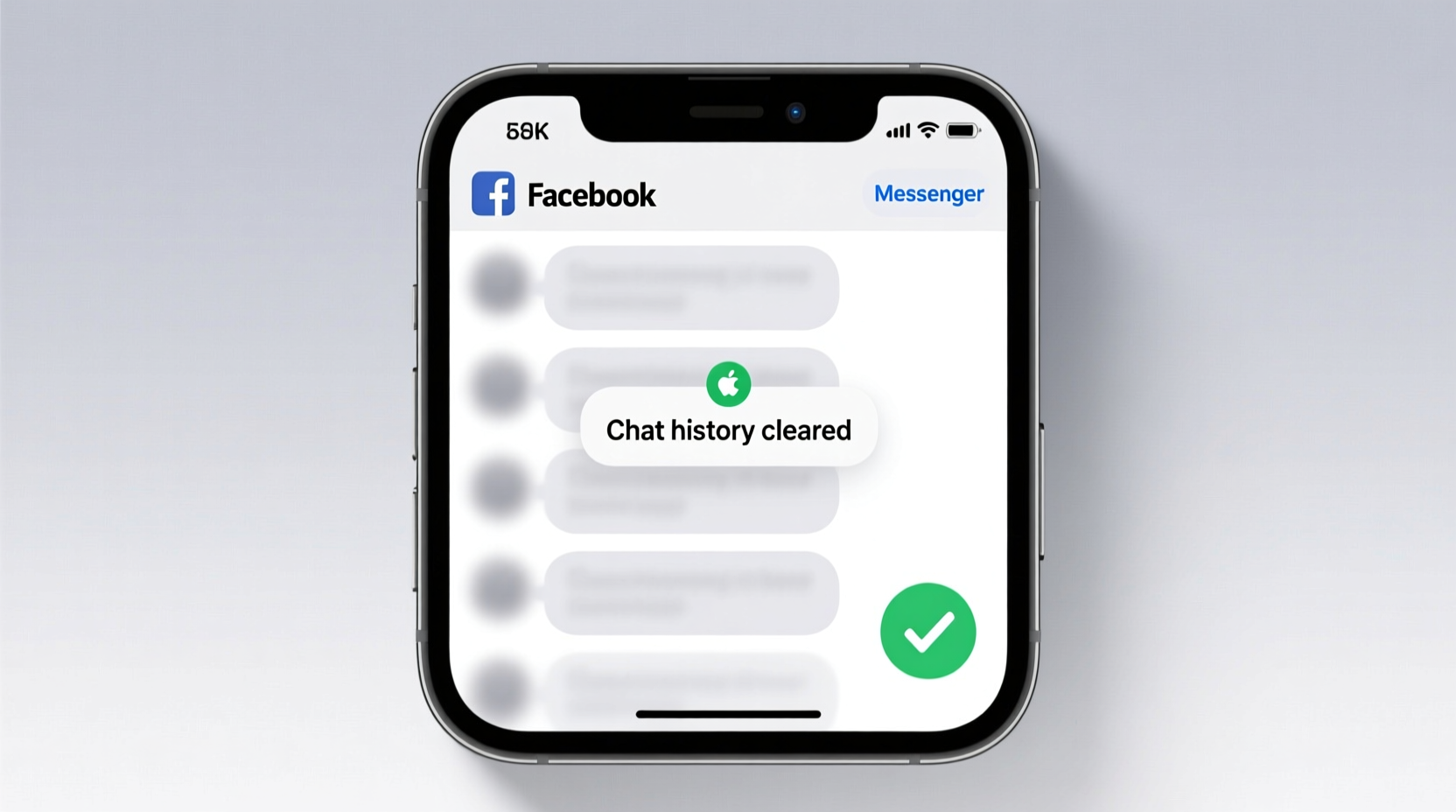
Messenger stores conversations by default, syncing them across all your devices. While this continuity is convenient, unchecked message retention leads to visual noise and unnecessary data storage. Beyond organization, clearing chat history enhances privacy—especially on shared devices or when selling your phone. Deleted messages reduce the risk of sensitive information being exposed, whether it’s personal details, financial talk, or private photos.
Additionally, some users report improved app performance after removing large volumes of old messages. Fewer cached conversations mean faster loading times and reduced memory usage, particularly on older smartphones.
“Cleaning your digital footprint starts with small habits like managing message archives. It’s not just tidiness—it’s security.” — Lena Patel, Digital Privacy Consultant
Step-by-Step Guide to Deleting Messages on Mobile
The most common way people use Messenger is through the mobile app (iOS or Android). Here's how to selectively or fully remove chat history using your smartphone:
- Open the Messenger app and locate the conversation you want to clean.
- Tap and hold on the specific message(s) you wish to delete. A menu will appear.
- Select “Delete” from the options. You’ll be asked whether you want to “Delete for You” or “Unsend” (which removes it for both parties, if done within 10 minutes).
- To delete an entire conversation, go back to the main inbox, swipe left on the chat thread, and tap “Delete”, or tap the profile icon at the top of the chat and select “Delete Conversation”.
- Confirm the action. The chat will disappear from your inbox.
Clearing Chats on Desktop: A Faster Alternative
If you're dealing with multiple conversations or prefer larger screens, Messenger’s desktop version offers more efficient navigation. Access messenger.com via any browser and follow these steps:
- Navigate to the chat list on the left sidebar.
- Hover over the conversation you’d like to remove.
- Click the three-dot menu (⋯) next to the contact or group name.
- Select “Delete Conversation”.
- Confirm deletion.
Unlike mobile, desktop allows quicker scanning and batch decisions. You can open several tabs to manage different chats simultaneously, making it ideal for bulk cleanup sessions.
Do’s and Don’ts When Clearing Chat History
| Do | Don’t |
|---|---|
| Delete old promotional or spam messages regularly | Assume “deleted” means permanently erased from Facebook’s servers (some metadata may remain) |
| Use “Unsend” within 10 minutes to retract accidental messages | Delete sensitive threads without ensuring they aren’t backed up elsewhere |
| Archive inactive group chats instead of deleting if you might return | Expect deleted messages to vanish from recipients’ devices—they won’t unless unsent |
| Review auto-save settings for photos and videos to prevent storage bloat | Rely solely on app deletion for complete data removal—consider account-level tools for deeper cleanup |
Managing Group Chats and Automated Cleanup
Group chats are often the biggest source of clutter. Birthday reminders, event planning threads, and office banter can linger indefinitely. Instead of manually deleting each one, consider these strategies:
- Leave the group: Tap the group name > “Participants” > “Leave Group”. This stops new messages from appearing, though past messages remain unless deleted.
- Turn off notifications instead of deleting if you want to keep access but avoid distractions.
- Use Archiving: Swipe down on a chat (mobile) or right-click (desktop) and choose “Archive”. It removes the chat from your inbox but keeps it searchable.
For recurring maintenance, set calendar reminders every 6–8 weeks to review and purge inactive threads. Treat your inbox like email—regular triage prevents backlog.
Mini Case Study: Reclaiming Inbox Control
Sarah, a freelance designer, found herself spending extra time scrolling through dozens of overlapping client chats, team stand-ups, and social groups. Her Messenger app was slow, and she missed urgent messages buried under old GIFs and jokes. She dedicated one Sunday morning to sorting her inbox: archiving completed projects, leaving defunct groups, and deleting promotional bots. By using the desktop interface, she cleared over 50 threads in under 45 minutes. Afterward, her app responded faster, and she reported feeling less mentally cluttered during work hours. More importantly, she enabled message auto-expiry in one key client group, reducing future buildup.
Advanced Option: Permanently Remove Data via Facebook Settings
If you’re concerned about long-term data retention, know that Messenger backups may still exist on Facebook’s servers even after local deletion. To take stronger action:
- Go to facebook.com/settings.
- Select “Your Facebook Information” from the left panel.
- Click “Download Your Information” to see what’s stored—or “Manage Activity Offsets” to limit future tracking.
- Under “Messages”, you can request deletion of older conversations beyond app-level removal.
This doesn’t retroactively erase everything, but it strengthens your overall data control. For maximum privacy, consider adjusting your default message expiration setting.
FAQ
Can I recover a deleted conversation?
No, once a conversation is deleted from your inbox, it cannot be restored through the app. If you previously downloaded your data via Facebook’s archive tool, you may be able to retrieve a copy from that export.
Does deleting a message remove it for the other person?
Only if you use “Unsend” within 10 minutes of sending. After that window, selecting “Delete for You” only removes it from your view. The recipient will still see the message unless they delete it themselves.
Will clearing chat history free up phone storage?
Yes, especially if the chats include many photos, videos, or files. Media accumulates silently in the background. Removing entire conversations deletes associated cached content, which can reclaim significant space over time.
Final Thoughts: Make Cleanliness a Habit
A clean Messenger inbox contributes to a calmer digital life. It reduces distraction, improves performance, and safeguards your personal information. The methods outlined here—from simple deletions to server-level management—offer scalable solutions depending on your needs. Start small: spend 10 minutes today removing five outdated threads. Schedule quarterly reviews. Use archiving and vanish mode strategically. Over time, these actions build a more intentional communication environment.




 浙公网安备
33010002000092号
浙公网安备
33010002000092号 浙B2-20120091-4
Comments
No comments yet. Why don't you start the discussion?