
Dining table seat cushions are more than just comfort—they're a functional part of your home’s aesthetic and daily life. Over time, spills, sweat, dust, and pet dander accumulate, degrading both hygiene and appearance. Without proper care, cushion fabrics fade, develop odors, or become breeding grounds for allergens. Fortunately, with the right techniques, you can extend their lifespan, preserve their look, and ensure they remain inviting. This guide delivers actionable strategies for deep cleaning and ongoing maintenance, tailored to common materials and real-life conditions.
Understanding Cushion Materials and Their Needs
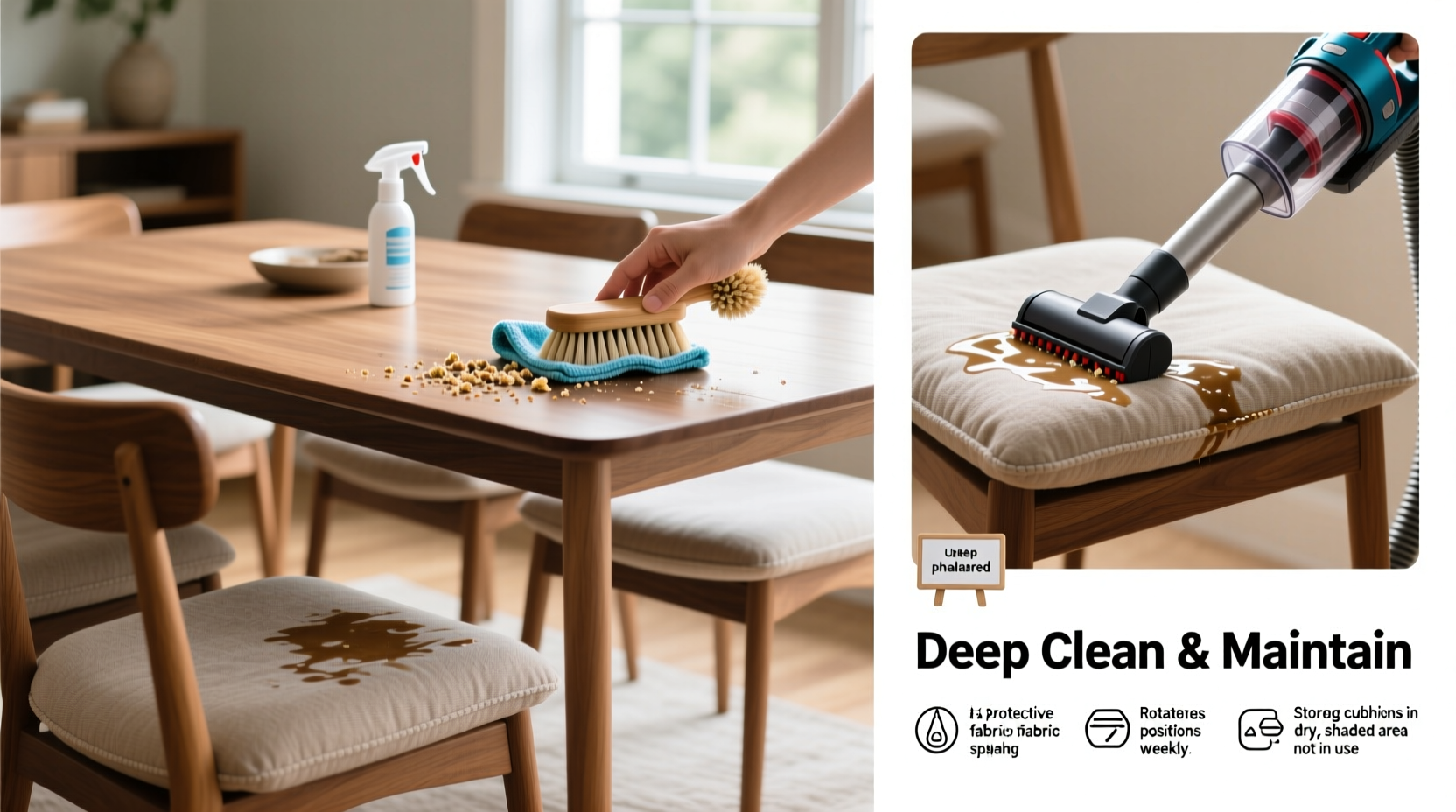
Not all seat cushions are created equal. The cleaning method depends heavily on the fabric type, filling material, and construction. Common upholstery includes cotton blends, polyester, microfiber, leather, and outdoor-grade synthetics. Each has distinct vulnerabilities:
- Cotton & Blends: Prone to staining and shrinking if washed incorrectly.
- Polyester/Microfiber: Resistant to moisture but can trap odors.
- Leather/Vinyl: Susceptible to cracking and fading from improper cleaners.
- Outdoor Fabrics: Often mold-resistant but still need regular rinsing.
The inner filling—typically foam, down blend, or polyester fiberfill—also influences care. Foam holds shape well but absorbs liquids; fiberfill flattens over time if not dried properly.
“Knowing your cushion’s material is half the battle. Using a harsh cleaner on delicate fabric can do more harm than years of dirt.” — Lena Torres, Home Textile Specialist
Step-by-Step Deep Cleaning Process
A thorough deep clean should be performed every 3–6 months, depending on usage. Follow this universal process adapted to your cushion type:
- Remove and Inspect: Take cushions off chairs. Check for loose seams, tears, or mold spots.
- Dry Vacuum: Use an upholstery attachment to remove surface dust, crumbs, and pet hair.
- Treat Stains Immediately: Apply a small amount of appropriate stain remover based on fabric code. Blot, don’t rub.
- Deep Clean Method by Fabric Type:
- Removable Covers: Wash in cold water on gentle cycle. Air dry or low heat.
- Non-Removable (Fabric): Use a handheld steam cleaner or damp cloth with mild detergent.
- Leather/Vinyl: Wipe with a damp cloth and pH-balanced leather cleaner. Condition afterward.
- Rinse Residue: For wet-cleaned cushions, wipe with a clean, damp cloth to remove soap traces.
- Dry Completely: Place in a well-ventilated area away from direct sunlight. Allow 24–48 hours to dry fully before reuse.
Never skip drying. Trapped moisture leads to mildew, unpleasant smells, and weakened fabric integrity.
Do’s and Don’ts: Care Guidelines by Material
| Material | Do’s | Don’ts |
|---|---|---|
| Cotton/Blends | Use oxygen-based cleaner; air dry flat | Use bleach; machine dry on high heat |
| Microfiber | Spot clean with vinegar-water mix; vacuum weekly | Use oil-based cleaners; saturate fabric |
| Leather | Condition every 3 months; wipe with damp cloth | Expose to direct sun; use ammonia or alcohol |
| Vinyl | Clean with mild dish soap; store indoors | Use abrasive scrubbers; leave outside in rain |
| Outdoor Fabric | Rinse monthly; use mold-inhibiting spray | Let leaves sit on them; neglect mildew spots |
Maintaining Long-Term Comfort and Appearance
Deep cleaning is essential, but consistent maintenance prevents buildup and extends intervals between intensive sessions. Incorporate these habits into your routine:
- Weekly Vacuuming: Use an upholstery brush to lift debris from crevices.
- Rotate Cushions: Flip or switch positions monthly to ensure even wear.
- Use Protective Covers: Removable, washable slipcovers add a layer of defense.
- Address Spills Immediately: Blot liquids with a clean towel; avoid pressing stains deeper.
- Control Humidity: Keep indoor humidity below 60% to prevent mustiness.
Real Example: Reviving a Neglected Dining Set
Sarah, a homeowner in Portland, inherited a set of dining chairs with beige microfiber cushions. After two years of light spot-cleaning, the seats had darkened at the edges and emitted a stale odor after meals. She avoided deep cleaning, fearing damage. Finally, she tested a small area with a vinegar-water solution (1:3 ratio), then used a steam cleaner on low heat. After 48 hours of drying near a fan, the cushions looked visibly brighter and smelled fresh. She now rotates and vacuums them weekly and plans biannual deep cleans. “They feel like new,” she said. “I wish I hadn’t waited so long.”
Essential Maintenance Checklist
Stay proactive with this simple checklist:
- ☐ Vacuum cushions weekly
- ☐ Spot clean spills within 15 minutes
- ☐ Rotate or flip cushions monthly
- ☐ Perform deep clean every 3–6 months
- ☐ Condition leather/vinyl every quarter
- ☐ Inspect for wear, pests, or mold biannually
- ☐ Store off-season cushions in breathable bags
Frequently Asked Questions
Can I machine wash dining chair cushions?
Only if the label permits and the filling is wash-safe (e.g., polyester fiberfill). Remove covers if possible. Use cold water and gentle cycle. Never machine-wash foam-filled cushions unless specified by the manufacturer—waterlogging can ruin their structure.
How do I remove urine or pet odor from fabric cushions?
Blot immediately, then apply an enzyme-based cleaner designed for organic stains. These break down odor-causing proteins. Avoid ammonia-based products, which can attract pets back to the same spot. Let it sit for 10–15 minutes, then blot and air dry completely.
Why do my cushions flatten over time?
Constant pressure compresses the filling. Foam may degrade faster if exposed to moisture or heat. To prolong loft, rotate cushions regularly and avoid sitting on them longer than necessary. For fiberfill types, fluff them manually every few weeks.
Conclusion: Small Efforts, Lasting Results
Dining table seat cushions endure daily wear, yet often receive minimal attention until problems arise. By understanding your materials, applying targeted cleaning methods, and adopting a simple maintenance rhythm, you protect both comfort and investment. A clean, well-kept cushion enhances mealtime ambiance and supports a healthier home environment. Don’t wait for visible stains or odors to act—start today with a quick vacuum and inspection. Your future self will appreciate the effort.




 浙公网安备
33010002000092号
浙公网安备
33010002000092号 浙B2-20120091-4
Comments
No comments yet. Why don't you start the discussion?