
Over time, memory foam car headrest cushions accumulate sweat, body oils, dust, and allergens—especially in vehicles exposed to direct sunlight or frequent use. Unlike standard seat fabrics, memory foam requires careful cleaning to preserve its structure and support. A neglected headrest not only diminishes comfort but can also harbor bacteria and unpleasant odors. Fortunately, with the right techniques, you can deep clean and revitalize your cushion without damaging its delicate composition.
Why Deep Cleaning Memory Foam Headrests Matters
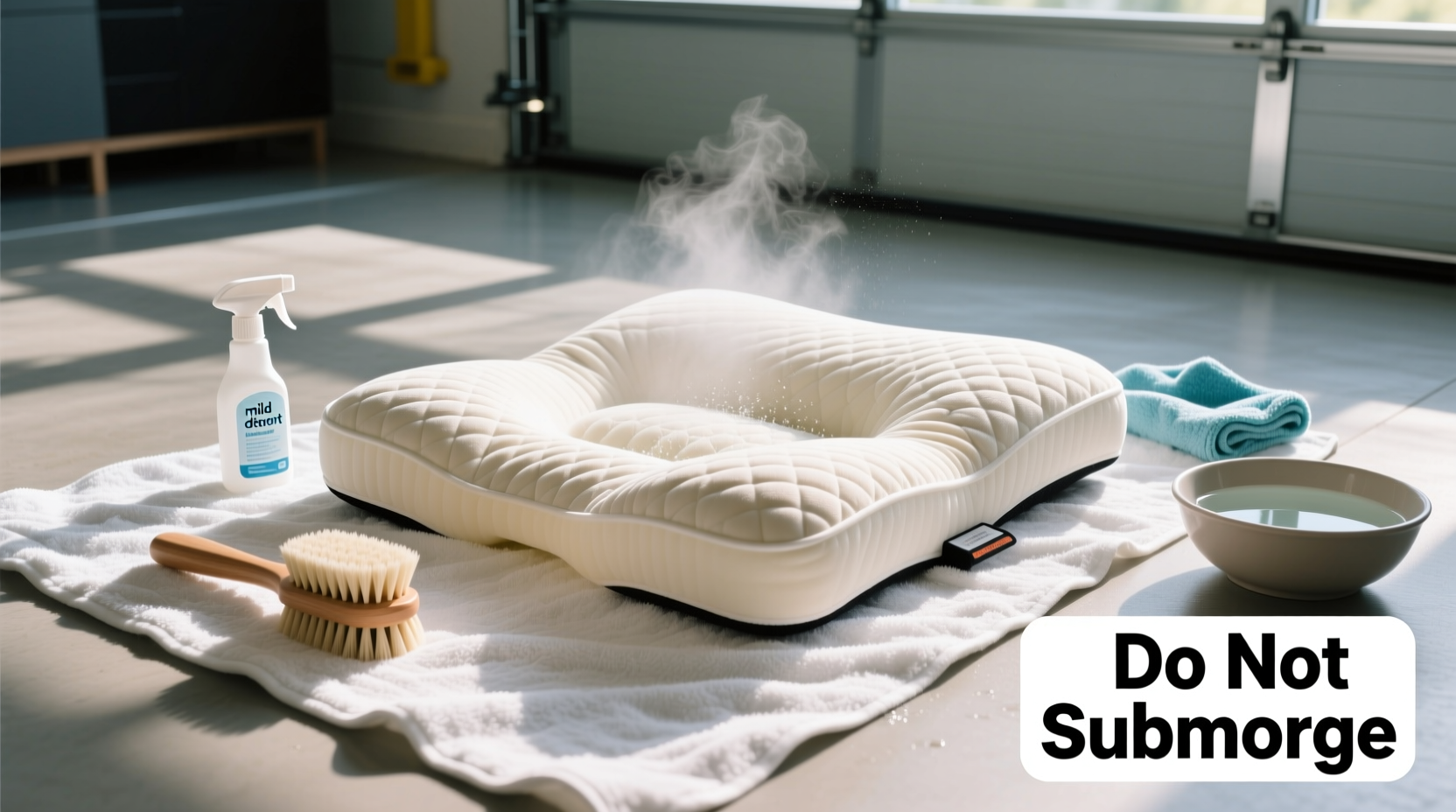
Memory foam is designed to contour to your head and neck, offering superior support during long drives. However, its dense, porous nature makes it prone to trapping moisture, microbes, and debris. Without regular maintenance, this buildup can lead to:
- Persistent musty or sour odors
- Degradation of foam integrity over time
- Increased risk of skin irritation or allergies
- Discoloration and staining
Unlike removable fabric covers on home pillows, most car headrest cushions are either permanently covered or difficult to disassemble. This makes spot cleaning and odor control essential for preserving both hygiene and structural quality.
Step-by-Step Guide to Deep Cleaning Your Headrest Cushion
Follow this detailed process to safely clean and refresh your memory foam headrest without compromising its shape or support.
- Remove the cushion (if possible): Check whether the headrest can be detached from the seat. Most car headrests slide out via metal posts. If your cushion has a removable cover, unzip and set aside. If not, proceed with caution to avoid saturating the foam.
- Vacuum thoroughly: Use a handheld vacuum with an upholstery attachment to remove surface dust, hair, and debris. Pay attention to seams and crevices where particles accumulate.
- Spot test cleaning solution: Mix one tablespoon of mild liquid detergent (like Woolite) with two cups of cool water. Dip a clean cloth into the solution and dab it on a small, hidden area of the cover. Wait 10 minutes to ensure no discoloration or damage occurs.
- Blot, don’t soak: Dampen a microfiber cloth with the cleaning solution and gently blot stained or soiled areas. Never pour liquid directly onto the foam—excess moisture can cause mold and break down the material.
- Tackle odors with baking soda: Sprinkle a thin, even layer of baking soda over the surface. Let it sit for at least 30 minutes (or up to 4 hours in a well-ventilated area) to absorb odors. Vacuum thoroughly afterward.
- Air dry completely: Place the cushion in a shaded, well-ventilated space—never in direct sunlight or near a heater. Allow 12–24 hours for full drying to prevent mildew.
- Fluff and restore shape: Once dry, lightly massage the foam to restore its original contour and softness.
Do’s and Don’ts: Best Practices for Memory Foam Care
| Do’s | Don’ts |
|---|---|
| Use mild, non-abrasive cleaners | Use bleach or ammonia-based products |
| Blot liquids instead of rubbing | Rub stains aggressively (can spread and damage fibers) |
| Dry naturally in indirect air | Use a hairdryer or place in direct sun |
| Vacuum monthly to reduce buildup | Submerge foam in water |
| Apply fabric protectant after cleaning | Store damp—always ensure full dryness |
Expert Insight on Foam Maintenance
“Memory foam is highly sensitive to moisture and heat. The key to longevity is gentle cleaning and thorough drying. Even small amounts of trapped water can compromise cell structure, leading to sagging and loss of support.” — Dr. Alan Zhou, Materials Scientist & Automotive Interior Specialist
This insight underscores why aggressive scrubbing or machine washing should be avoided. The closed-cell nature of high-density memory foam resists deep penetration of liquids, but repeated exposure to moisture—even from humid environments—can accelerate breakdown.
Real-World Example: Reviving a Neglected Commuter’s Headrest
Sarah, a rideshare driver in Phoenix, noticed her memory foam headrest had developed a persistent sour smell after six months of daily use in extreme heat. She tried wiping it with disinfectant wipes, which only masked the odor temporarily. Following the deep-cleaning method above, she removed the cushion, vacuumed it, applied a baking soda treatment, and allowed it to air dry overnight in her garage with a fan nearby. After reinstallation, the cushion felt fresher, looked visibly cleaner, and remained odor-free for over five months. Sarah now cleans her headrest every quarter and keeps a silica gel pack nearby to absorb ambient moisture.
Alternative Cleaning Methods and When to Use Them
While the standard method works for most cases, specific situations may call for alternative approaches:
- For light surface grime: Use a 50/50 mix of distilled water and white vinegar on a cloth. Wipe gently and dry immediately.
- For stubborn odors: After baking soda, try misting the surface lightly with an enzyme-based odor eliminator designed for upholstery.
- For removable washable covers: Hand-wash in cold water with mild detergent and lay flat to dry. Avoid wringing or twisting.
- For non-removable covers: Consider using a steam cleaner on low heat with minimal moisture output, keeping the nozzle moving to prevent soaking.
Note: Steam cleaning should be used sparingly and only on synthetic memory foam. Natural latex blends may degrade under heat exposure.
Frequently Asked Questions
Can I machine wash a memory foam headrest?
No. Machine washing introduces excessive water and agitation that can destroy the foam’s cellular structure. Always clean by hand using minimal moisture.
How do I remove yellow stains from my headrest?
Yellowing is often caused by sweat oxidation or UV exposure. For surface-level discoloration, gently dab with a cloth dampened in diluted hydrogen peroxide (one part peroxide to ten parts water). Test first and avoid prolonged contact. Note that deep-set stains may not fully disappear without replacing the cover.
Is it safe to use Febreze on memory foam?
Yes, but with caution. Spray fabric refresher like Febreze lightly from at least 6 inches away and allow full drying. Avoid oversaturation, and never use on visibly damp foam.
Maintenance Checklist for Long-Term Freshness
- ✅ Vacuum headrest monthly
- ✅ Spot clean spills immediately
- ✅ Deep clean every 3–4 months
- ✅ Deodorize with baking soda as needed
- ✅ Ensure complete drying before reuse
- ✅ Apply fabric protector after cleaning
- ✅ Inspect for wear, tears, or permanent odors annually
Conclusion: Prioritize Comfort and Hygiene in Your Vehicle
Your car’s headrest is more than just a comfort feature—it’s a point of constant contact that impacts both hygiene and driving experience. By adopting a simple, effective cleaning routine, you extend the life of your memory foam cushion, eliminate health hazards, and maintain a fresh-smelling interior. These methods are practical, affordable, and accessible to any driver. Whether you commute daily, use your vehicle for work, or simply want a cleaner ride, taking the time to properly care for your headrest pays off in comfort and confidence.




 浙公网安备
33010002000092号
浙公网安备
33010002000092号 浙B2-20120091-4
Comments
No comments yet. Why don't you start the discussion?